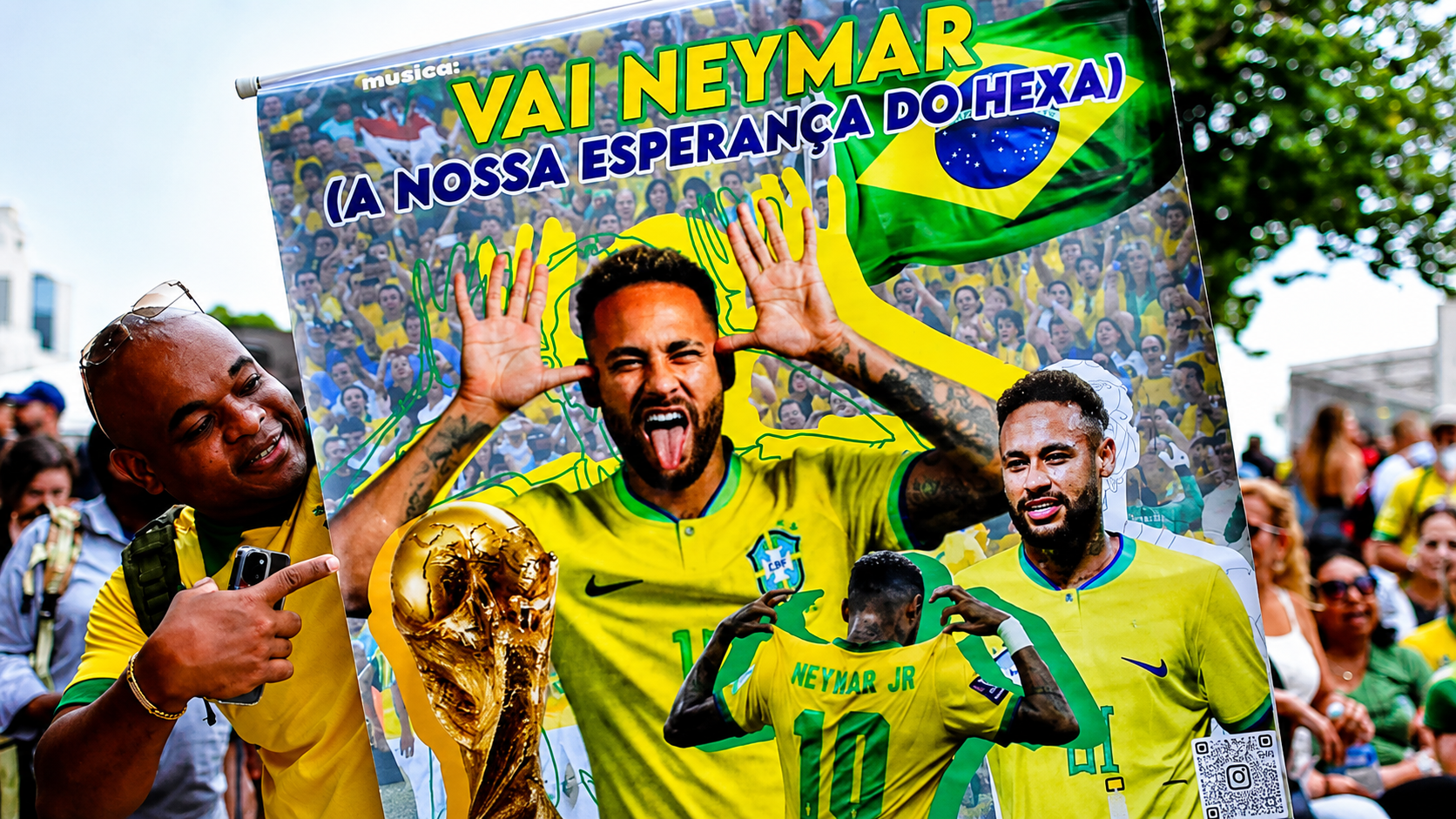
Ever since Brazil announced their final 26-man squad for the 2026 FIFA World Cup, intense debate has erupted across the football world. Although the squad still features global superstars such as , , and , many football analysts believe that Brazil’s dream of lifting a historic sixth World Cup trophy faces serious challenges once again. Questions surrounding the squad’s balance, aging core, tactical limitations, and lack of depth in certain areas have raised doubts about whether the South American giants can truly compete with Europe’s modern football powerhouses. The biggest concern revolves around the fitness of Neymar Jr., Brazil’s most experienced attacking player and emotional leader. After spending long periods sidelined due to injuries over the last few years, the 34-year-old forward remains a major uncertainty heading into the tournament. Brazil’s attacking structure still appears heavily dependent on Neymar’s creativity, vision, and ability to unlock defenses in high-pressure matches. If he is unable to maintain full fitness throughout the knockout stages—or suffers another injury setback—the team could struggle to maintain rhythm and attacking fluidity against elite opposition. Defensively, Brazil also faces growing concerns, particularly in the fullback positions. While center-backs such as , , and provide stability and physical presence in central defense, the modern game increasingly relies on dynamic and fast fullbacks who can contribute both offensively and defensively. Veteran defenders and bring valuable experience, but age has noticeably affected their pace and recovery speed. Against Europe’s explosive wingers and rapid counter-attacking systems, Brazil’s fullbacks may find themselves exposed in one-on-one situations. The midfield is another area where concerns have become increasingly visible. Experienced defensive midfielders and have been among the world’s best in their roles for years, but both are now entering the later stages of their careers. Maintaining the physical intensity required for modern pressing football over the course of an entire World Cup campaign may prove difficult. Furthermore, Brazil appears to lack a traditional deep-lying playmaker capable of controlling the tempo of matches with precise passing and creative vision from midfield. Against tactically disciplined European sides, losing control of midfield battles could become a decisive weakness.In attack, Brazil still possesses extraordinary individual talent. Players like , , and have been performing at a world-class level in European competitions and are capable of changing matches with moments of brilliance. However, beyond those established stars, much of Brazil’s attacking depth remains relatively inexperienced at the international level. Young talents such as , , and undoubtedly possess enormous potential, but the pressure of performing on football’s biggest stage is entirely different from club football. Meanwhile, striker has occasionally struggled with consistency in front of goal, raising concerns about Brazil’s ability to convert chances in crucial knockout matches. At the same time, European nations such as , , , and currently appear more advanced in terms of tactical structure, squad depth, athleticism, and overall team chemistry. Modern international football increasingly rewards collective organization, coordinated pressing systems, and positional discipline rather than relying solely on individual brilliance. Brazil’s traditional flair and technical creativity remain dangerous, but unless they can transform those qualities into a cohesive tactical unit, they may once again struggle against Europe’s highly organized football systems. Ultimately, Brazil still has enough star power to defeat any opponent on their day. The explosive pace of Vinícius Júnior, Neymar’s creativity, and the fearless energy of young talents like Endrick could produce moments capable of deciding matches instantly. However, the combination of an aging midfield, vulnerabilities at fullback, tactical uncertainty, and concerns surrounding Neymar’s fitness means Brazil’s road to World Cup glory in 2026 is far from smooth. Unless Brazil can evolve into a more tactically disciplined and balanced side while maintaining their traditional attacking identity, football experts believe the Seleção may once again fall short of winning the elusive “Hexa” and face another painful World Cup disappointment.