

Bangladesh is set to use Prime Minister Tarique Rahman’s first overseas visit since taking office as a major step toward easing the country’s unemployment crisis, with investment and overseas jobs at the center of the agenda.
During the six-day trip to Malaysia and China, Dhaka is expected to sign 15 to 17 bilateral agreements, Foreign Secretary Asad Alam Siam said on Saturday. Officials say the visit is not just about diplomacy, but about opening real economic doors for young job seekers at home and abroad.
In China, Rahman is scheduled to meet Premier Li on June 25 and President Xi Jinping on June 26. The talks are expected to focus on investment, industrial cooperation, and the long-delayed Teesta River project. Bangladesh also hopes to deepen ties with one of its biggest trading partners and development financiers.
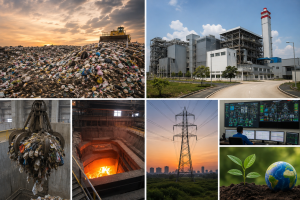
A newly approved Chinese-backed industrial zone in Chittagong is already being seen as a major employment opportunity, with projections of around 100,000 jobs in its initial phase. The project is also expected to attract more than $500 million in foreign direct investment, offering hope to thousands of families looking for stable work.
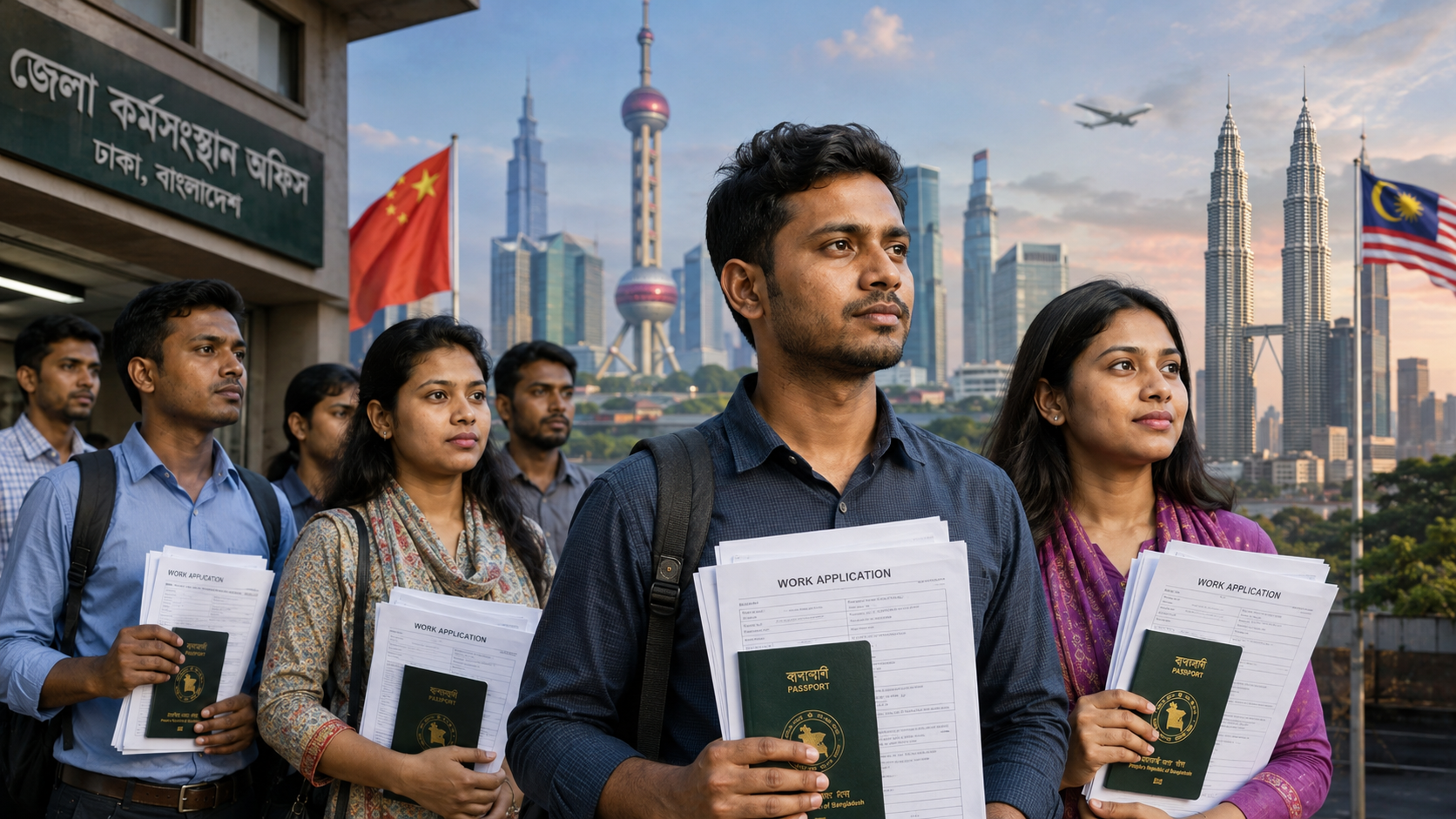
In Malaysia, the focus will shift to labour migration and recruitment of Bangladeshi workers. For many households, overseas employment remains a lifeline, sending back remittances that support daily life, education, and small businesses across the country.
Analysts say the trip reflects a practical economic strategy. China is being courted for investment, while Malaysia is being approached as a key destination for workers. Together, the two visits could help Bangladesh create jobs, boost income, and ease pressure on its labour market.
At a time when many young people are struggling to find work, the government is hoping this trip will turn foreign partnerships into something ordinary citizens can feel: more jobs, more opportunity, and a stronger path out of unemployment.