Waste-to-Energy Project at Aminbazar Sparks Debate Over 25 Taka Power Price
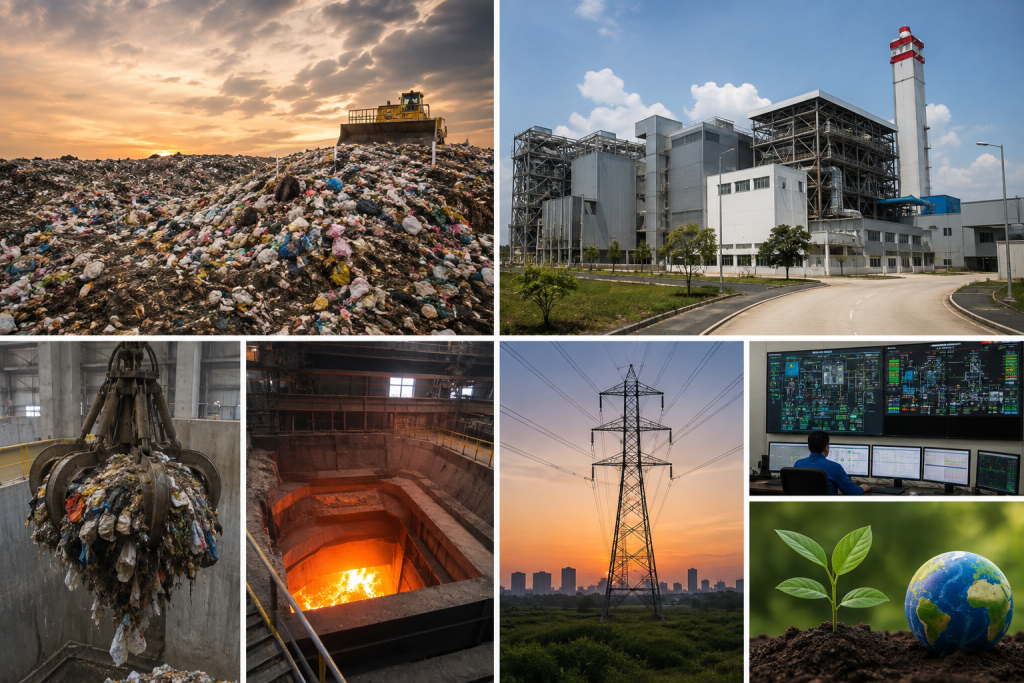
A proposed waste-to-energy project at the Aminbazar landfill in Dhaka has triggered a growing debate over the cost of electricity, environmental benefits and the long-term financial implications for Bangladesh. The project, being developed with China Machinery Engineering Corporation (CMEC), aims to process around 3,000 tonnes of waste every day and generate approximately 42.5 megawatts of electricity. The electricity is expected to be purchased by the Bangladesh Power Development Board (BPDB) at a reported price of Tk 25 per unit. While the government argues that the project should not be assessed solely on the basis of electricity prices, critics question whether such a high tariff can be justified. Government: The project will address Dhaka’s waste crisis After meeting the Chinese ambassador on 27 August, Local Government State Minister Mir Shahe Alam said the price may appear high, but the project should be considered in the broader context of Dhaka’s worsening waste-management problems. According to the government, the project will not only generate electricity but also process a significant amount of municipal waste. Organic fertilizer is expected to be produced from the waste, while the company will reportedly pay the city corporation a monthly fee for using the landfill. The government also says Bangladesh will not have to make a direct investment in the project. Officials argue that environmental benefits and potential carbon-credit revenues could provide additional economic value. Why is the electricity price so high? The reported Tk 25 per unit purchase price has become the central point of controversy. Critics argue that the price is considerably higher than figures previously cited for the country’s average electricity generation cost. They fear that purchasing electricity at such a rate over a long period could create a significant financial burden for the government. But there is another side to the calculation. Unlike a conventional power plant, the Aminbazar project is designed to perform two functions simultaneously: waste management and electricity generation. Supporters argue that the economic value of reducing landfill waste, pollution and associated public-health risks should therefore be included when assessing the project’s overall cost. The key question is whether those benefits have been transparently quantified and whether they justify the additional cost of electricity. Environmental benefits and concerns Waste-to-energy projects are often promoted as an alternative to conventional landfill disposal. Processing thousands of tonnes of waste each day could reduce pressure on the landfill and potentially decrease some of the environmental and public-health problems associated with unmanaged waste. However, environmental concerns remain. Previous policy discussions and environmental advocates have raised questions about greenhouse-gas emissions, ash disposal and the environmental consequences of waste incineration. For the Aminbazar project, therefore, important questions remain about how residual ash will be managed, what emissions-control technology will be used and whether an independent environmental assessment has adequately addressed the potential risks. Minister rejects comparison with quick-rental power Responding to criticism on social media on 30 August, State Minister for Expatriates’ Welfare Nurul Haque Nur argued that the Tk 25 electricity price should be considered alongside the health and environmental damage caused by Dhaka’s waste crisis. He rejected comparisons between the project and Bangladesh’s controversial rental and quick-rental power plants, arguing that the project should not be viewed as a similar form of financial exploitation. Still, questions about the project’s financial structure remain. A proper assessment would require public disclosure of the total project cost, electricity-purchase agreement, contract duration, tariff-adjustment mechanism, government obligations and environmental-management costs. No evidence of Jamuna Group involvement Another issue has emerged from social media discussions surrounding the project. Some online content has used headlines referring to a supposed “conspiracy” by a “Jamuna electricity company”. However, available information does not establish any connection between Jamuna Electricity, Jamuna Group and the Aminbazar waste-to-energy project. The Chinese company identified in connection with the project is China Machinery Engineering Corporation (CMEC). Linking other companies to the project without documentary evidence could therefore create public confusion. The 2 September agreement could provide answers A final tripartite agreement is reportedly scheduled to be signed in Beijing on 2 September 2026. The agreement could provide greater clarity on the project’s financial structure, electricity-purchase terms, responsibilities of the parties and environmental safeguards. The government aims to begin electricity generation within approximately 18 months, with the plant expected to be connected to the national grid around August–September 2028. The Aminbazar project is therefore about more than electricity. It sits at the intersection of Dhaka’s waste crisis, public health, environmental protection and public spending. Whether the project ultimately proves to be a cost-effective environmental solution or an expensive source of electricity will depend on what the final agreement reveals and whether the promised waste-management and environmental benefits materialize in practice.
Sci-Hub and Alexandra Elbakyan

Science grows through sharing. Every discovery is built on previous research, and researchers depend on academic papers to understand existing knowledge and develop new ideas. However, for many years, access to scientific literature has not been equal. A large number of research articles are published in expensive academic journals, where access often requires costly subscriptions. While universities in developed countries can usually afford these subscriptions, many students and researchers from less-funded institutions struggle to obtain important scientific information. It was in this situation that Alexandra Elbakyan, a young programmer from Kazakhstan, created Sci-Hub in 2011. Her work created a global debate about one fundamental question: Should scientific knowledge be restricted by financial barriers, or should it be freely available to everyone? Alexandra Elbakyan: The Mind Behind Sci-Hub Alexandra Elbakyan was born in Kazakhstan in 1988. From an early age, she showed strong interest in computer science and technology. During her academic studies, she experienced a common problem faced by many researchers around the world—the difficulty of accessing scientific papers because of expensive journal fees. Many important research articles were available only through paid academic databases. For students and researchers without institutional support, obtaining these papers could be difficult or sometimes impossible. This experience influenced Elbakyan’s decision to create a platform that would provide easier access to scientific literature. In 2011, she launched Sci-Hub with the idea that scientific knowledge should be accessible to people regardless of their financial situation. According to her viewpoint, research created for the advancement of humanity should not remain locked behind expensive paywalls. The Growth of Sci-Hub: A New Approach to Research Access After its creation, Sci-Hub quickly gained popularity among researchers, students, and academics worldwide. The platform became known for providing access to millions of scientific articles from different disciplines, including engineering, medicine, biology, physics, and social sciences. For many researchers, especially those from developing countries, Sci-Hub became an important source of academic information. A student working at a university with limited library resources could access research papers that were otherwise unavailable due to subscription costs. The popularity of Sci-Hub revealed a major weakness in the traditional academic publishing system. Scientific research is produced to expand human understanding, but many people who want to learn from that research cannot access it because of financial restrictions. Why Did Researchers Support Sci-Hub? One of the main reasons behind Sci-Hub’s popularity was its role in reducing inequality in scientific access. A researcher at a wealthy university may have access to thousands of journals through institutional subscriptions. However, a researcher from a small university or a developing country may face serious difficulties accessing the same information. This difference creates an unequal research environment. Supporters of Sci-Hub argue that knowledge should not be available only to those who can afford it. They believe that scientific progress becomes stronger when researchers from all parts of the world can participate equally. Another reason for its popularity was convenience. Instead of spending time searching for available versions of papers or requesting articles from other researchers, users could obtain scientific literature more easily. The Controversy: Innovation or Copyright Violation? Although Sci-Hub gained support from many researchers, it also faced strong criticism. The biggest controversy surrounding Sci-Hub is related to copyright law. Academic publishers argue that research articles are protected intellectual property, and distributing them without permission violates legal rights. Publishers also claim that maintaining academic journals requires significant investment in peer review, editing, digital infrastructure, and distribution. From this perspective, Sci-Hub creates challenges for the traditional publishing model. However, supporters present a different argument. They point out that many scientific studies are funded by governments, universities, and public institutions. Therefore, they believe the results of such research should be available to society rather than restricted behind expensive payment systems. The debate is therefore not simply about a website—it is about the relationship between knowledge, ownership, and public access. Sci-Hub and the Future of Scientific Publishing The rise of Sci-Hub contributed to wider discussions about the Open Access movement, which promotes free and legal access to academic research. Open Access supporters believe that scientific findings should be available to everyone, especially when research is supported by public funding. Many universities, researchers, and organizations are now exploring alternative publishing models that allow wider access while still protecting academic quality. Although Sci-Hub itself has faced legal challenges and is different from formal open access initiatives, it highlighted a problem that the academic world could no longer ignore: the need for a more accessible research system. Alexandra Elbakyan: A Symbol of a Larger Debate Alexandra Elbakyan has become a highly debated figure in modern science. To some people, she is a pioneer who challenged an expensive and unequal publishing system. They see her as someone who tried to make knowledge more democratic. To others, she represents a challenge to copyright laws and the economic structure that supports academic publishing. Regardless of personal opinions about her actions, her influence is undeniable. She forced researchers, publishers, and institutions to discuss an important issue: how can society balance the rights of creators with the need for wider access to knowledge? The Unfinished Story of Knowledge Access The story of Sci-Hub and Alexandra Elbakyan reflects a larger transformation in the way the world thinks about scientific information. It is not only a story about a website; it is a story about access, equality, technology, and the future of research. Sci-Hub exposed the limitations of a system where important scientific knowledge can remain inaccessible because of financial barriers. At the same time, it raised serious questions about copyright protection and the sustainability of academic publishing. Whether Alexandra Elbakyan is viewed as a revolutionary or a rule breaker, her contribution to the discussion about scientific accessibility cannot be ignored. Her work has encouraged the global academic community to rethink how knowledge should be shared in the digital age. The future challenge is to create a system where researchers are fairly recognized and supported, while scientific knowledge becomes accessible to those who need it
An Important Website for Researcher Awareness

n the world of research, publication is extremely important. A researcher’s work gains wider recognition when it is published in a credible journal. However, some low-quality or fake journals take advantage of this system by charging researchers publication fees without maintaining proper academic standards. These journals often do not conduct proper peer review, lack editorial transparency, and sometimes use fake impact factors or misleading indexing claims to attract authors. In response to this problem, Beall’s List became an important warning tool for researchers. Beall’s List is mainly a list of potentially predatory journals and publishers. It was originally created by Jeffrey Beall, a librarian at the University of Colorado Denver. He identified open-access publishers and journals that appeared to charge publication fees without ensuring proper editorial quality or genuine peer review. The current version of the website presents itself as an archived version of Beall’s original list and continues to preserve the list while updating links and notes. The most important purpose of this website is to help researchers stay alert. Before submitting a paper to a journal, researchers can search the name of the journal or publisher on Beall’s List. If a publisher appears on the list, it may be considered potentially predatory. The website also includes separate sections for publishers, standalone journals, hijacked journals, and misleading metrics, which can be especially useful for early-career researchers. However, Beall’s List should be used carefully. It is not a final judgment; rather, it should be treated as a warning point or starting point for further checking. If a journal appears on the list, it does not always mean that it is completely fake. Similarly, if a journal is not on the list, that does not automatically mean it is safe. Researchers should also check Scopus, Web of Science, DOAJ, the journal’s official website, editorial board, peer-review policy, publication fees, and publisher reputation before making a decision. Beall’s List has also been a subject of debate. In 2017, Jeffrey Beall shut down his original website. This created discussion in the academic community because many researchers used the list as a tool to identify predatory publishing practices. Although the original site was closed, archived versions and related resources are still used by many researchers as a reference point. Today, this website has become even more relevant because online publishing has grown rapidly. Many young researchers, especially from developing countries, face pressure to publish quickly. Predatory journals often take advantage of this pressure by sending attractive emails, promising quick acceptance, and offering fast publication. Researchers who do not know how to verify a journal may easily fall into this trap. Therefore, Beall’s List is not just a website; it is a warning signal about research ethics. It reminds researchers that publication is not only about numbers. Quality, credibility, transparency, and academic honesty matter more. Choosing the right journal is essential for protecting a researcher’s academic reputation. In conclusion, Beall’s List is a useful awareness platform for researchers. However, it should not be used as the only source for deciding whether a journal is trustworthy. A careful researcher should verify a journal’s indexing, publisher reputation, editorial board, peer-review process, and publication policy before submitting a paper. Good research deserves not just publication, but publication in a credible and trustworthy journal.
Digital Imperialism: Our Data, Their Empire

Searching on Google in the morning, watching a movie on Netflix in the afternoon, and scrolling through Facebook or Instagram at night—these have become our daily routines. But have you ever wondered if these platforms are not just offering us convenience, but silently establishing a new kind of dominance over us? Researchers and sociologists call this “Platform Imperialism.” As many point out, “In the past, empires were expanded through weapons, soldiers, and territorial conquest; today, they are built with algorithms, the internet, and our personal data.” Simply put, a handful of massive tech companies—such as Google, Meta, Amazon, and Netflix—control the entire global digital landscape. These predominantly US-based corporations don’t just provide technological services; they silently dictate what we watch, what we buy, and even how we think from behind the screens. While many of us assume platforms like Google or YouTube are completely neutral, experts argue otherwise. Recommendation algorithms on YouTube or Netflix are designed to repeatedly push Western or highly profitable content right in front of our eyes. While Western countries previously exerted cultural influence through movies or news, today, it happens through digital infrastructure. A major area of concern regarding platform imperialism is data extraction and economic inequality. Billions of people worldwide are generating massive amounts of data every day, but the financial benefits are entirely reaped by these tech giants. Meanwhile, local businesses and media industries in developing countries are forced to bow down to the rules set by these foreign corporations. According to critics, whoever controls our digital infrastructure ultimately controls our attention, our data, and our culture. Due to the overwhelming dominance of these global platforms, local content and indigenous cultures are facing an unfair competition. This is creating a global cultural homogenization, causing us to lose our unique identities. However, platforms like TikTok and certain regional streaming sites have recently begun to challenge this Western dominance, making the power structure even more complex. Even so, the core issue of Western control over digital infrastructure remains largely unchanged. To combat this digital aggression, researchers and governments worldwide are now stepping up. Issues like digital sovereignty, data protection, and algorithmic transparency are taking center stage in global discussions. There is no doubt that digital platforms have made our lives significantly easier. But it is high time we seriously consider whether, in exchange for this convenience, we are handing over the control of our culture, economy, and data to foreign corporations.
ডিজিটাল সাম্রাজ্যবাদ আমাদের ডেটা, তাদের রাজত্ব
সকালে ঘুম থেকে উঠে গুগলে কিছু খোঁজা, দুপুরে নেটফ্লিক্সে সিনেমা দেখা, আর রাতে ফেসবুক বা ইন্সটাগ্রামে স্ক্রল করা—এগুলো এখন আমাদের দৈনন্দিন রুটিন। কিন্তু কখনো কি ভেবেছেন, এই প্ল্যাটফর্মগুলো আমাদের শুধু সুবিধাই দিচ্ছে না, বরং নীরবে আমাদের ওপর এক নতুন ধরনের আধিপত্য বিস্তার করছে? গবেষক ও সমাজবিজ্ঞানীরা একেই বলছেন “প্ল্যাটফর্ম ইম্পেরিয়ালিজম” বা ডিজিটাল সাম্রাজ্যবাদ। অনেকেই বলেন, “আগের যুগে সাম্রাজ্য বিস্তার হতো অস্ত্র, সৈন্য আর দখলদারিত্ব দিয়ে; আর আজকের যুগে তা হচ্ছে অ্যালগরিদম, ইন্টারনেট আর আমাদের ব্যক্তিগত ডেটা দিয়ে।” সহজ কথায়, বিশ্বের মুষ্টিমেয় কয়েকটি বিশাল টেক কোম্পানি, যেমন—গুগল, মেটা, অ্যামাজন বা নেটফ্লিক্স, পুরো বিশ্বের ডিজিটাল জগৎকে নিয়ন্ত্রণ করছে। যুক্তরাষ্ট্রভিত্তিক এই কোম্পানিগুলো শুধু আমাদের প্রযুক্তিগত সেবাই দেয় না; বরং আমরা কী দেখব, কী কিনব এবং কী ভাবব—তার সবকিছুই তারা পর্দার আড়াল থেকে নিয়ন্ত্রণ করে। আমরা অনেকেই ভাবি গুগল বা ইউটিউব একদম নিরপেক্ষ প্ল্যাটফর্ম। কিন্তু বিশেষজ্ঞরা বলছেন, ইউটিউব বা নেটফ্লিক্সের রেকমেন্ডেশন অ্যালগরিদম এমনভাবে সাজানো থাকে, যা মূলত পশ্চিমা বা তাদের জন্য লাভজনক কনটেন্টগুলোকেই বারবার আমাদের চোখের সামনে নিয়ে আসে। আগে পশ্চিমা দেশগুলো সিনেমা বা খবরের মাধ্যমে যে সাংস্কৃতিক প্রভাব ফেলত, এখন সেটা হচ্ছে ডিজিটাল কাঠামোর ভেতর দিয়ে। এই প্ল্যাটফর্ম সাম্রাজ্যবাদের একটি বড় উদ্বেগের জায়গা হলো ডেটা পাচার ও অর্থনৈতিক বৈষম্য। বিশ্বের কোটি কোটি মানুষ প্রতিদিন যে পরিমাণ ডেটা তৈরি করছে, তার আর্থিক সুবিধা পুরোপুরি ভোগ করছে এই টেক জায়ান্টরা। অন্যদিকে, আমাদের মতো উন্নয়নশীল দেশগুলোর স্থানীয় ব্যবসা বা মিডিয়াগুলোকে বাধ্য হয়ে বিদেশি কোম্পানিগুলোর তৈরি করা নিয়মের কাছেই মাথা নত করতে হচ্ছে। সমালোচকদের মতে, আমাদের ডিজিটাল অবকাঠামোর নিয়ন্ত্রণ যার হাতে, আমাদের মনোযোগ, ডেটা এবং সংস্কৃতির নিয়ন্ত্রণও তারই হাতে চলে যাচ্ছে। গ্লোবাল প্ল্যাটফর্মগুলোর দাপটে স্থানীয় কনটেন্ট বা দেশীয় সংস্কৃতি আজ এক অসম প্রতিযোগিতার মুখে। এর ফলে বিশ্বজুড়ে একটি সাংস্কৃতিক একঘেয়েমি তৈরি হচ্ছে এবং হারিয়ে যাচ্ছে আমাদের নিজস্বতা। অবশ্য সম্প্রতি টিকটকের মতো প্ল্যাটফর্ম বা আঞ্চলিক কিছু স্ট্রিমিং সাইট পশ্চিমা আধিপত্যকে কিছুটা চ্যালেঞ্জ জানাচ্ছে, যা ক্ষমতার এই কাঠামোকে আরও জটিল করে তুলছে। তারপরও, ডিজিটাল অবকাঠামোর ওপর পশ্চিমা নিয়ন্ত্রণের মূল সমস্যাটি থেকেই যায়। এই ডিজিটাল আগ্রাসন থেকে বাঁচতে এখন বিশ্বজুড়ে গবেষক ও সরকারগুলো নড়েচড়ে বসছেন। ডিজিটাল সার্বভৌমত্ব (Digital Sovereignty), ডেটা সুরক্ষা এবং অ্যালগরিদমের স্বচ্ছতার মতো বিষয়গুলো নিয়ে এখন জোর আলোচনা হচ্ছে। ডিজিটাল প্ল্যাটফর্মগুলো আমাদের জীবনকে অনেক সহজ করেছে, এতে কোনো সন্দেহ নেই। কিন্তু এর বিনিময়ে আমরা আমাদের সংস্কৃতি, অর্থনীতি এবং ডেটার নিয়ন্ত্রণ বিদেশি কোম্পানিগুলোর হাতে তুলে দিচ্ছি কি না—সেটা গুরুত্বের সাথে ভেবে দেখার সময় এখনই।
Tax Amnesty: A Practical Solution or a Moral Compromise?

“Alas, in this world, those who have much, want more; It is the king’s hand that steals the wealth of the poor.” These timeless lines by Rabindranath Tagore perfectly reflect the harsh reality of the modern global economy. The creation of a “shadow economy” or “black money” comes from human greed and the desire to secretly hoard wealth. When massive amounts of hidden wealth are built up, threatening to choke the normal economy, governments sometimes have to make compromises to bring that money back into the open. Though it might seem unethical, this practical compromise is officially called the “black money whitening policy” or “Tax Amnesty.” It remains one of the most debated topics in the global economy today. The process of bringing black money or hidden wealth back into the regular economy is known worldwide as a Tax Amnesty or Voluntary Disclosure Program (VDP). Simply put, it is a government policy that gives people a limited timeframe to legalize their hidden or illegally earned money by paying a specific tax and a penalty. According to the International Monetary Fund (IMF) and the World Bank, the main goals of this policy are to boost government revenue, widen the tax net, and bring the shadow economy back into the formal financial system. This concept started being used in modern tax systems around the mid-20th century. In the 1950s, the United States tax authority (the IRS) first introduced a policy that let taxpayers confess their hidden wealth voluntarily to avoid criminal charges, which soon became a model for other countries. In neighboring India, a similar step was first taken in 1951, and later, more chances to legalize hidden wealth were given in 1975, 1997, and 2016. In Europe, Italy launched a major tax amnesty called “Scudo Fiscale” in 2001 to bring back huge amounts of money that had been secretly sent abroad. The actual process of whitening black money happens in a few clear steps. First, the taxpayer must voluntarily declare their hidden income and assets, whether they are kept inside the country or abroad, within a strict deadline. Next, the tax authorities check the market value of these declared assets and decide how much tax and penalty needs to be paid. After that, the taxpayer pays this amount. To encourage people to come forward, the penalty is usually kept lower than the standard punishment for tax evasion. Finally, once all conditions are met, the taxpayer is given legal immunity, meaning they will not face criminal or civil charges for their past tax offenses. Different countries have used this policy with varying levels of success. According to the OECD, Indonesia launched a massive tax amnesty program in 2016. People declared about $360 billion in hidden assets, and the government collected around $9.6 billion in taxes, making it one of the most successful programs in the world. That same year, Argentina brought about $116 billion of hidden wealth into its formal economy. In India, people declared around 65,250 crore rupees in hidden assets during the 2016 Income Declaration Scheme. Similarly, since 2009, the United States has successfully used its Offshore Voluntary Disclosure Program to bring back money hidden in foreign bank accounts, including those in Switzerland. Economists believe that tax amnesties have a two-sided effect. In the short term, they quickly increase government revenue, which helps during economic slowdowns or budget shortages, and they bring more cash into the banking system. However, in the long term, they create a “moral hazard.” Research shows that offering frequent tax amnesties makes people less likely to pay taxes regularly. Honest taxpayers feel cheated and discouraged when they see tax evaders getting away with just a small penalty. Because of this negative long-term impact on tax discipline, developed nations in the OECD and G-20 are now moving away from tax amnesties. Instead, they are focusing heavily on preventing tax evasion through automatic information exchange, international banking cooperation, and advanced digital tracking systems.
অন্ধকার অর্থের আলোয় ফেরা
“এ জগতে হায়, সেই বেশি চায় আছে যার ভূরি ভূরি, রাজার হস্ত করে সমস্ত কাঙালের ধন চুরি।” রবীন্দ্রনাথ ঠাকুরের কালজয়ী এই পঙ্ক্তিমালা যেন আধুনিক বিশ্ব-অর্থনীতির এক নিদারুণ এবং রূঢ় বাস্তবতার প্রতিচ্ছবি। মানুষের এই অন্তহীন লোভ আর অবৈধভাবে সম্পদ কুক্ষিগত করার আদিম প্রবৃত্তি থেকেই মূলত জন্ম নেয় ‘ছায়া অর্থনীতি’ বা ‘কালো টাকা’। যখন রাষ্ট্রের চোখ ফাঁকি দিয়ে অগোচরে সম্পদের পাহাড় গড়ে ওঠে এবং সেই অন্ধকার অর্থ রাষ্ট্রের স্বাভাবিক অর্থনৈতিক শ্বাসরোধ করতে উদ্যত হয়, তখন সেই অর্থকে মূলধারার আলোয় ফিরিয়ে আনতে রাষ্ট্রকেই কখনো কখনো আপসের পথে হাঁটতে হয়। অনৈতিক হলেও বাস্তবতার নিরিখে করা এই কাঠামোগত আপসেরই আনুষ্ঠানিক নাম হলো ‘কালো টাকা সাদা করার নীতি’ বা ‘ট্যাক্স অ্যামনেস্টি’, যা যুগ যুগ ধরে বিশ্ব অর্থনীতির অন্যতম আলোচিত ও বিতর্কিত একটি অধ্যায়। কালো টাকা বা অপ্রদর্শিত অর্থ মূলধারার অর্থনীতিতে ফিরিয়ে আনার প্রক্রিয়াটি বিশ্ব অর্থনীতিতে সাধারণত ‘ট্যাক্স অ্যামনেস্টি’ (Tax Amnesty) বা ‘ভলান্টারি ডিসক্লোজার প্রোগ্রাম’ (VDP) নামে পরিচিত। এটি মূলত সরকারের এমন একটি নীতি, যেখানে নির্দিষ্ট সময়ের জন্য অবৈধ উৎস থেকে বা অপ্রদর্শিতভাবে অর্জিত অর্থ নির্দিষ্ট কর ও জরিমানাসাপেক্ষে বৈধ করার সুযোগ দেওয়া হয়। আন্তর্জাতিক মুদ্রা তহবিল (IMF) এবং বিশ্বব্যাংকের বিভিন্ন প্রকাশনা অনুযায়ী, এই উদ্যোগের প্রধান লক্ষ্য হলো সরকারের রাজস্ব বৃদ্ধি করা, কর নেটওয়ার্ক সম্প্রসারণ করা এবং ছায়া অর্থনীতিকে (Shadow Economy) আনুষ্ঠানিক বা মূলধারার অর্থনীতিতে অন্তর্ভুক্ত করা। আধুনিক কর ব্যবস্থায় এই ধারণার প্রয়োগ শুরু হয় মূলত বিংশ শতকের মাঝামাঝি সময় থেকে। ১৯৫০-এর দশকে যুক্তরাষ্ট্রের কর প্রশাসন (IRS) প্রথম স্বেচ্ছা ঘোষণার সুযোগ দিয়ে করদাতাদের অপরাধমূলক মামলা থেকে মুক্তির নীতি গ্রহণ করে, যা পরবর্তীতে অন্যান্য দেশের জন্য একটি মডেল হয়ে ওঠে। প্রতিবেশী দেশ ভারতে ১৯৫১ সালে প্রথম আনুষ্ঠানিকভাবে এমন উদ্যোগ নেওয়া হয় এবং পরবর্তীতে ১৯৭৫, ১৯৯৭ সালের ‘ভিডিস’ (VDIS) ও ২০১৬ সালে বিভিন্ন পর্যায়ে অপ্রদর্শিত সম্পদ বৈধ করার সুযোগ দেওয়া হয়। ইউরোপের দেশ ইতালিতেও ২০০১ সালে “স্কুডো ফিসক্যালে” (Scudo Fiscale) নামে একটি বড় ট্যাক্স অ্যামনেস্টি চালু হয়, যার মাধ্যমে বিদেশে পাচার হওয়া বিপুল পরিমাণ অর্থ দেশে ফিরিয়ে আনার পদক্ষেপ নেওয়া হয়েছিল। কালো টাকা সাদা করার এই প্রক্রিয়াটি সাধারণত কয়েকটি সুনির্দিষ্ট ধাপে সম্পন্ন হয়। প্রথম ধাপে করদাতা একটি নির্দিষ্ট সময়সীমার মধ্যে দেশের ভেতরে বা বিদেশে থাকা তার অপ্রদর্শিত আয় ও সম্পদের পরিমাণ স্বেচ্ছা ঘোষণা (Voluntary Declaration) করেন। এরপর কর কর্তৃপক্ষ সেই ঘোষিত সম্পদের বাজারমূল্য যাচাই করে তার ওপর প্রযোজ্য কর ও জরিমানার হার নির্ধারণ করে। পরবর্তী ধাপে করদাতা নির্ধারিত সেই অর্থ পরিশোধ করেন, যেখানে সাধারণত জরিমানা স্বাভাবিক শাস্তিমূলক ব্যবস্থার তুলনায় কিছুটা কম রাখা হয় যাতে মানুষ এই সুযোগ নিতে উৎসাহিত হয়। সবশেষে, সকল শর্ত পূরণের পর করদাতাকে পূর্বের কর ফাঁকির জন্য ফৌজদারি বা দেওয়ানি মামলা থেকে আইনি সুরক্ষা বা দায়মুক্তি (Legal Immunity) দেওয়া হয়। বিশ্বের বিভিন্ন দেশে এই নীতি ভিন্ন ভিন্ন মাত্রায় প্রয়োগ করা হয়েছে। ওইসিডি (OECD)-এর একটি রিপোর্ট অনুযায়ী, ২০১৬ সালে ইন্দোনেশিয়ায় একটি বিশাল ট্যাক্স অ্যামনেস্টি প্রোগ্রাম চালু করা হয়, যেখানে প্রায় ৩৬০ বিলিয়ন ডলারের সম্পদ ঘোষণা করা হয় এবং সরকার প্রায় ৯.৬ বিলিয়ন ডলার কর আদায় করতে সক্ষম হয়, যা বিশ্বের অন্যতম সফল একটি কর্মসূচি হিসেবে বিবেচিত। একই বছর আর্জেন্টিনায় ‘সিনসেরামিয়েন্তো ফিসক্যাল’ কর্মসূচির আওতায় প্রায় ১১৬ বিলিয়ন ডলারের অঘোষিত সম্পদ মূলধারায় আসে। অন্যদিকে, ভারতের ২০১৬ সালের ইনকাম ডিক্লারেশন স্কিমে (IDS) প্রায় ৬৫,২৫০ কোটি রুপি অঘোষিত সম্পদ হিসেবে ঘোষিত হয়। এছাড়া, যুক্তরাষ্ট্রও ২০০৯ সাল থেকে অফশোর ভলান্টারি ডিসক্লোজার প্রোগ্রামের (OVDP) মাধ্যমে সুইস ব্যাংকসহ বিভিন্ন বিদেশি অ্যাকাউন্টে লুকানো অর্থ মূলধারায় আনতে কার্যকর ভূমিকা রেখেছে। অর্থনীতিবিদদের দৃষ্টিকোণ থেকে কর সাধারণ ক্ষমার প্রভাব দ্বিমুখী। স্বল্পমেয়াদে এটি হঠাৎ করে সরকারের রাজস্ব আয় বাড়িয়ে দেয়, যা বিশেষ করে অর্থনৈতিক মন্দা বা বাজেটের ঘাটতি মোকাবেলায় সাময়িক স্বস্তি দেয় এবং ব্যাংকিং খাতে তারল্য বৃদ্ধি করে। তবে দীর্ঘমেয়াদে অর্থনীতিতে একে ‘মোরাল হ্যাজার্ড’ (Moral Hazard) বা নৈতিক স্খলনের ঝুঁকি হিসেবে দেখা হয়। অর্থনীতিবিদ জেমস আল্ম (James Alm) এবং ডব্লিউ. বেক-এর ১৯৯০ সালের বিখ্যাত গবেষণায় দেখা গেছে, ঘন ঘন ট্যাক্স অ্যামনেস্টি দেওয়া হলে দীর্ঘমেয়াদে সাধারণ মানুষের কর দেওয়ার প্রবণতা (Tax compliance) কমে যায়। নিয়মিত ও সৎ করদাতারা নিরুৎসাহিত হন, কারণ তারা দেখতে পান যে কর ফাঁকি দিয়ে পরবর্তীতে সামান্য জরিমানা দিয়েই পার পাওয়া সম্ভব। কালো টাকা সাদা করার নীতি বিশ্ব অর্থনীতিতে একটি সাময়িক দাওয়াই বা ‘কুইক ফিক্স’ হিসেবে কাজ করলেও দীর্ঘমেয়াদে তা কর শৃঙ্খলার ওপর নেতিবাচক প্রভাব ফেলে। এই কারণে আধুনিক বিশ্বে ওইসিডি (OECD) এবং জি-২০ ভুক্ত উন্নত দেশগুলো এখন এই ধরনের কর ক্ষমার বদলে অটোমেটিক এক্সচেঞ্জ অফ ইনফরমেশন (AEOI), আন্তর্জাতিক ব্যাংকিং তথ্য বিনিময় এবং উন্নত ডিজিটাল ট্র্যাকিং ব্যবস্থার মাধ্যমে কর ফাঁকি রোধের ওপরই সর্বাধিক গুরুত্বারোপ করছে।
A Critical Overview of Capitalism in Karl Marx’s Das Kapital
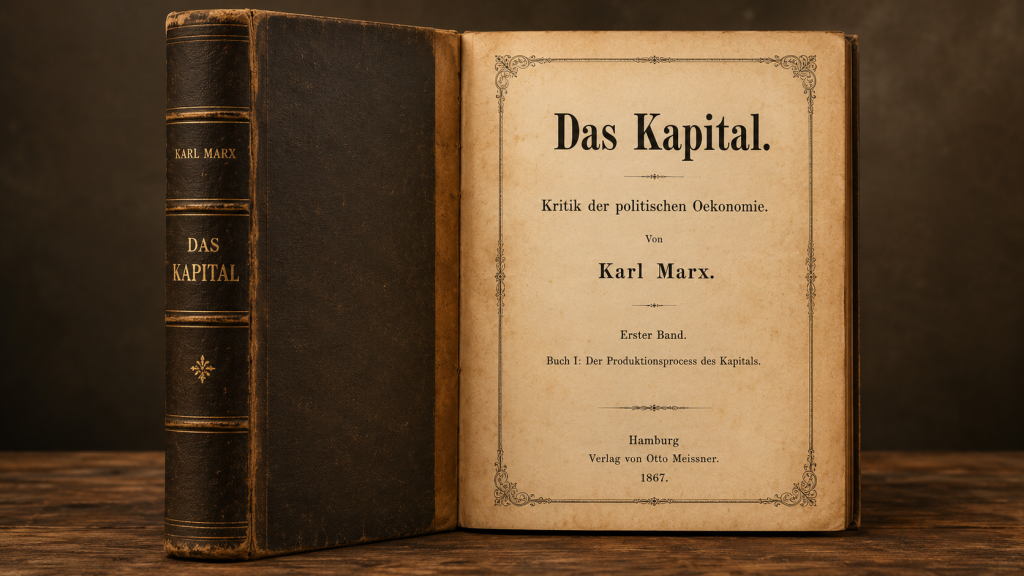
Karl Marx’s Das Kapital is one of the most important books about capitalism and economic society. In this work, Marx tries to explain how capitalism actually functions beneath its surface appearance. He argues that capitalism may look fair because workers receive wages and goods are exchanged through markets, but the system is built on an unequal relationship between workers and capitalists. Marx begins with the idea of commodities. A commodity is something produced to be sold in the market. Every commodity has a use value, meaning its practical usefulness, and an exchange value, meaning what it can be traded or sold for. Marx believes that the value of a commodity is closely connected to the labor used to produce it. Human labor, therefore, becomes central to understanding capitalism. The most important relationship in capitalism is between the worker and the capitalist. Workers usually do not own land, factories, machines, or other means of production. Because of this, they must sell their labor power in order to survive. Capitalists buy this labor power by paying wages. However, Marx argues that workers create more value through their labor than they receive in wages. The extra value produced by workers is called surplus value, and this surplus becomes the source of profit for the capitalist. This is where Marx sees exploitation. The worker is paid, so the system appears legal and fair. But in reality, the capitalist gains wealth from the unpaid portion of the worker’s labor. For Marx, this hidden exploitation is the foundation of capitalist profit. Marx also discusses how capitalism affects human life. Workers can become alienated from their work because they do not own what they produce. The product belongs to the capitalist, not to the worker. As a result, work becomes less creative and meaningful and more like a forced activity done only for survival. Another major idea in Das Kapital is accumulation. Capitalists are always pressured to make more profit, expand production, reduce costs, and compete with others. This can lead to technological progress and economic growth, but it also creates inequality, unemployment, and economic crises. Marx believed that capitalism contains internal contradictions because it depends on workers while also exploiting them. Overall, Das Kapital is a critical analysis of capitalism. Marx’s main argument is that capitalism creates wealth, but that wealth is produced by workers and controlled by capitalists. The book challenges readers to look beyond the surface of markets and wages and understand the power relations hidden inside the economic system.
Searching for Truth in the Flood of Information: Why Epistemology Matters More Than Ever

Rapid developments in information technology have made human life easier, but they have also created new challenges. Every day, we are exposed to vast amounts of news, opinions, videos, social media posts, and AI-generated content. In this overwhelming flow of information, it is becoming increasingly difficult to determine what is true, what is misleading, and what is completely false. In this context, an important branch of philosophy—epistemology has gained renewed attention. Epistemology is the study of knowledge and the questions surrounding it. It explores what knowledge is, how humans acquire it, what counts as justified belief, and where the limits of knowledge lie. In simple terms, epistemology explains how we know something is true and how reliable that knowledge is. Once mainly confined to philosophical and academic discussions, epistemology is now closely connected to everyday life. Whether we are viewing information on social media, reading news, or receiving answers from AI systems, we consciously or unconsciously evaluate the truthfulness of that information. This process of evaluation is deeply rooted in epistemological thinking. How is Knowledge Formed? Human beings acquire knowledge from multiple sources: personal experience, observation, reasoning, memory, and information from others. However, believing something and knowing something are not the same. According to philosophers, for a belief to qualify as knowledge, it must be true, justified, and supported by evidence. Simply believing something is not enough; it must be backed by sufficient grounds. This distinction is especially important in the digital age, where misinformation can spread as quickly as accurate information. Difference Between Belief and Knowledge People often believe many things without adequate evidence. Popularity, repetition, or alignment with personal views does not necessarily make something true. Epistemology clarifies this distinction. It shows that while belief can be personal, knowledge must be verifiable. Therefore, before accepting any information, it is essential to examine its sources, evidence, and logical foundation. This is particularly crucial in the context of social media, where misinformation spreads rapidly. The Importance of Skepticism and Critical Thinking A key concept in epistemology is skepticism. Skepticism does not mean rejecting everything; rather, it means verifying claims before accepting them. When we encounter information, we should ask basic questions: What is the source? What evidence supports it? How was it obtained? Such questions form the foundation of critical thinking. This approach is essential in fields such as journalism, science, law, and research, where credibility depends on accuracy and evidence. Artificial Intelligence and the New Epistemological Reality The rapid advancement of artificial intelligence has added a new dimension to epistemology. AI systems can answer questions, write articles, and analyze complex data. However, there is no guarantee that all AI-generated information is accurate. At times, AI may present incorrect information confidently. Therefore, users must not only consume information but also verify its truthfulness. This necessity has further increased the importance of epistemological awareness. Impact on Education Modern education systems increasingly emphasize critical thinking, media literacy, and research-based learning. These skills are grounded in epistemological principles. Students are taught how to verify information, choose reliable sources, and identify logical errors. As a result, they move beyond memorization toward analysis and evaluation of knowledge. Is Knowledge Absolute and Unchanging? Another important lesson of epistemology is that human knowledge is always evolving. Memory can be flawed, perception can be misleading, and new evidence can change established ideas. History of science provides many examples where theories once considered absolute truths were later revised or replaced based on new evidence. Thus, knowledge is not static but a continuously evolving process. For this reason, epistemology is not merely a theoretical branch of philosophy. It is an essential intellectual tool for seeking truth in a modern information-rich society.
জ্ঞানতত্ত্ব বা এপিস্টেমোলজি কেন এখন আরও গুরুত্বপূর্ণ
তথ্যপ্রযুক্তির দ্রুত বিকাশ মানুষের জীবনকে যেমন সহজ করেছে, তেমনি তৈরি করেছে নতুন কিছু চ্যালেঞ্জ। প্রতিদিন অসংখ্য খবর, মতামত, ভিডিও, পোস্ট এবং কৃত্রিম বুদ্ধিমত্তা (AI) দ্বারা তৈরি কনটেন্ট আমাদের সামনে আসছে। এই বিপুল তথ্যপ্রবাহের মধ্যে কোনটি সত্য, কোনটি বিভ্রান্তিকর এবং কোনটি সম্পূর্ণ মিথ্যা-তা নির্ধারণ করা ক্রমেই কঠিন হয়ে উঠছে। এমন বাস্তবতায় দর্শনের একটি গুরুত্বপূর্ণ শাখা, জ্ঞানতত্ত্ব (Epistemology), নতুন করে আলোচনায় এসেছে। জ্ঞানতত্ত্ব মূলত জ্ঞান সম্পর্কিত প্রশ্নগুলোর উত্তর খোঁজে। জ্ঞান কী, মানুষ কীভাবে জ্ঞান অর্জন করে, কোন বিশ্বাসকে সত্য বলে গ্রহণ করা যায় এবং জ্ঞানের সীমাবদ্ধতা কোথায়—এসব বিষয় নিয়ে এই শাখা আলোচনা করে। সহজ ভাষায় বলতে গেলে, জ্ঞানতত্ত্ব আমাদের শেখায় কীভাবে আমরা কোনো বিষয়কে সত্য বলে জানি এবং সেই জানার ভিত্তি কতটা নির্ভরযোগ্য। একসময় জ্ঞানতত্ত্ব ছিল মূলত দার্শনিক ও একাডেমিক আলোচনার বিষয়। কিন্তু বর্তমান সময়ে এটি সাধারণ মানুষের দৈনন্দিন জীবনের সঙ্গেও গভীরভাবে যুক্ত। সামাজিক যোগাযোগমাধ্যমে কোনো তথ্য দেখার পর, সংবাদ পড়ার সময় কিংবা AI-এর কাছ থেকে কোনো উত্তর পাওয়ার পর আমরা সচেতন বা অসচেতনভাবে সেই তথ্যের সত্যতা বিচার করার চেষ্টা করি। এই বিচার প্রক্রিয়ার পেছনেই কাজ করে জ্ঞানতাত্ত্বিক চিন্তা। জ্ঞান কীভাবে গঠিত হয়? মানুষ বিভিন্ন উৎস থেকে জ্ঞান অর্জন করে। ব্যক্তিগত অভিজ্ঞতা, পর্যবেক্ষণ, যুক্তি, স্মৃতি এবং অন্যের কাছ থেকে প্রাপ্ত তথ্য—সবই জ্ঞানের উৎস হিসেবে কাজ করে। তবে কোনো তথ্য সম্পর্কে বিশ্বাস তৈরি হওয়া আর সেটিকে জ্ঞান হিসেবে গ্রহণ করা এক বিষয় নয়। দার্শনিকদের মতে, কোনো বিশ্বাসকে জ্ঞান হিসেবে বিবেচনা করতে হলে সেটি হতে হবে সত্য, যুক্তিসঙ্গত এবং প্রমাণসমর্থিত। অর্থাৎ শুধু বিশ্বাস করলেই কোনো বিষয় জ্ঞান হয়ে যায় না; তার পক্ষে যথেষ্ট ভিত্তি থাকতে হয়। ডিজিটাল যুগে এই বিষয়টি বিশেষভাবে গুরুত্বপূর্ণ, কারণ ভুল তথ্যও অনেক সময় সত্যের মতো দ্রুত ছড়িয়ে পড়ে। বিশ্বাস ও জ্ঞানের পার্থক্য মানুষ প্রায়ই এমন অনেক বিষয় বিশ্বাস করে যার পেছনে পর্যাপ্ত প্রমাণ থাকে না। কোনো তথ্য জনপ্রিয় হওয়া, বারবার শোনা যাওয়া বা নিজের মতাদর্শের সঙ্গে মিল থাকা মানেই সেটি সত্য নয়। জ্ঞানতত্ত্ব এই পার্থক্যটি স্পষ্ট করে। এটি দেখায় যে বিশ্বাস ব্যক্তিগত হতে পারে, কিন্তু জ্ঞানকে অবশ্যই যাচাইযোগ্য হতে হবে। তাই কোনো তথ্য গ্রহণ করার আগে তার উৎস, প্রমাণ এবং যুক্তিগত ভিত্তি পরীক্ষা করা জরুরি। বিশেষ করে সামাজিক যোগাযোগমাধ্যমে ছড়িয়ে পড়া তথ্যের ক্ষেত্রে এই সতর্কতা অত্যন্ত প্রয়োজনীয়। সন্দেহবাদ ও সমালোচনামূলক চিন্তার গুরুত্ব জ্ঞানতত্ত্বের একটি গুরুত্বপূর্ণ ধারণা হলো সন্দেহবাদ (Skepticism)। সন্দেহবাদ মানে সবকিছু অস্বীকার করা নয়; বরং কোনো দাবি গ্রহণ করার আগে তার যথার্থতা যাচাই করা। যখন আমরা কোনো তথ্য দেখি, তখন কিছু মৌলিক প্রশ্ন করা প্রয়োজন—তথ্যটির উৎস কী? এর পক্ষে কী প্রমাণ রয়েছে? তথ্যটি কীভাবে সংগ্রহ করা হয়েছে? এই ধরনের প্রশ্ন সমালোচনামূলক চিন্তার ভিত্তি তৈরি করে। সাংবাদিকতা, বিজ্ঞান, আইন এবং গবেষণার মতো ক্ষেত্রগুলোতে এই পদ্ধতি অত্যন্ত গুরুত্বপূর্ণ। কারণ এসব ক্ষেত্রের বিশ্বাসযোগ্যতা নির্ভর করে তথ্যের যথার্থতা ও প্রমাণের ওপর। কৃত্রিম বুদ্ধিমত্তা এবং জ্ঞানতত্ত্বের নতুন বাস্তবতা কৃত্রিম বুদ্ধিমত্তার দ্রুত অগ্রগতি জ্ঞানতত্ত্বকে নতুন মাত্রা দিয়েছে। বর্তমানে AI বিভিন্ন প্রশ্নের উত্তর দিতে পারে, নিবন্ধ লিখতে পারে এবং জটিল তথ্য বিশ্লেষণ করতে পারে। তবে AI-এর দেওয়া সব তথ্য যে শতভাগ সঠিক হবে, এমন নিশ্চয়তা নেই। অনেক সময় AI ভুল তথ্যও আত্মবিশ্বাসের সঙ্গে উপস্থাপন করতে পারে। ফলে ব্যবহারকারীদের শুধু তথ্য গ্রহণ করলেই চলবে না; সেই তথ্যের সত্যতা যাচাই করার সক্ষমতাও থাকতে হবে। এই প্রয়োজনীয়তা জ্ঞানতত্ত্বের গুরুত্বকে আরও বাড়িয়ে দিয়েছে। শিক্ষা ব্যবস্থায় জ্ঞানতত্ত্বের প্রভাব আধুনিক শিক্ষা ব্যবস্থায় এখন ক্রমশ গুরুত্ব পাচ্ছে ক্রিটিক্যাল থিংকিং, মিডিয়া লিটারেসি এবং গবেষণাভিত্তিক শিক্ষার ধারণা। এসব দক্ষতার মূল ভিত্তি জ্ঞানতাত্ত্বিক চিন্তাধারা। শিক্ষার্থীদের শেখানো হচ্ছে কীভাবে তথ্য যাচাই করতে হয়, নির্ভরযোগ্য উৎস নির্বাচন করতে হয় এবং যুক্তির ত্রুটি শনাক্ত করতে হয়। এর ফলে তারা শুধু তথ্য মুখস্থ করার পরিবর্তে তথ্য বিশ্লেষণ ও মূল্যায়নের ক্ষমতা অর্জন করছে। জ্ঞান কি চূড়ান্ত ও অপরিবর্তনীয়? জ্ঞানতত্ত্বের আরেকটি গুরুত্বপূর্ণ শিক্ষা হলো, মানবজ্ঞান সবসময় পরিবর্তনশীল এবং বিকাশমান। মানুষের স্মৃতি ভুল হতে পারে, ইন্দ্রিয় বিভ্রান্ত করতে পারে এবং নতুন তথ্যের আলোকে পুরোনো ধারণা পরিবর্তিত হতে পারে। বিজ্ঞানের ইতিহাসেও এর বহু উদাহরণ রয়েছে। একসময় যেসব তত্ত্বকে চূড়ান্ত সত্য মনে করা হতো, নতুন গবেষণা ও প্রমাণের ভিত্তিতে সেগুলোর অনেকগুলোই সংশোধিত হয়েছে। তাই জ্ঞানকে স্থির নয়, বরং ক্রমাগত বিকাশমান একটি প্রক্রিয়া হিসেবে দেখা হয়। এই কারণেই জ্ঞানতত্ত্ব শুধু দর্শনের একটি তাত্ত্বিক শাখা নয়; বরং তথ্যসমৃদ্ধ আধুনিক সমাজে সত্য অনুসন্ধানের একটি অপরিহার্য বুদ্ধিবৃত্তিক হাতিয়ার। তথ্যের ভিড়ে সঠিক সিদ্ধান্ত নিতে, বিভ্রান্তি থেকে দূরে থাকতে এবং যুক্তিনির্ভর চিন্তা গড়ে তুলতে জ্ঞানতত্ত্বের ভূমিকা আজ আগের যেকোনো সময়ের তুলনায় বেশি গুরুত্বপূর্ণ।