Italy’s Long ‘Exile’ and a Sustained Footballing Tragedy
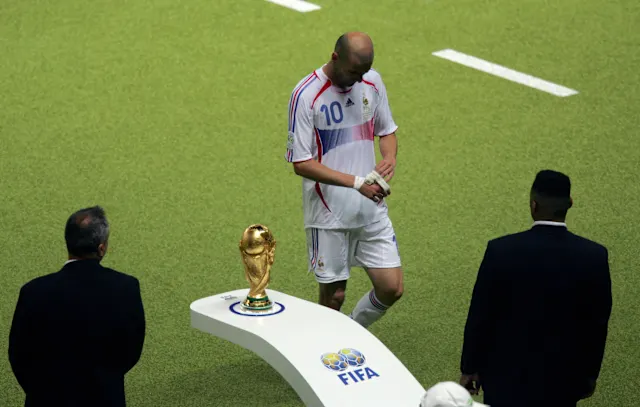
The night of July 9, 2006, at the Berlin Olympic Stadium remains a polarizing memory in football history. The iconic image of Zinedine Zidane’s infamous ‘headbutt’ and Italy’s subsequent World Cup triumph remains etched in the minds of football fans forever. However, beneath the jubilation of that victory lay a long-standing “curse” that has become increasingly evident two decades later. Since that glorious crowning moment, the four-time World Cup champions have lost their rhythm on the global stage. Having been absent from the main stage of the World Cup for twelve consecutive years, Italy’s current plight is not merely a matter of statistics, but a profound tragedy in football history. Following the pinnacle of 2006, Italy’s performance witnessed a catastrophic decline. The group-stage exits in 2010 and 2014 were only the beginning of a downward spiral. The situation grew even more dire when Italy failed to even qualify for the 2018 and 2022 World Cups. For a four-time champion to fall against teams like Sweden and North Macedonia during qualification was a humiliating ordeal. While football pundits attribute this to a “lack of new talent” or “structural weaknesses within Serie A,” a segment of Italian supporters views it through the lens of a supernatural destiny. They strongly believe that an ominous shadow has loomed over Italian football ever since that controversial final where they secured victory after Zidane’s exit. Beneath this prolonged downfall lie deep-rooted tactical issues. A lack of development for young Italian talent, a slow transition from traditional defensive football to a modern, attacking style, and an inability to manage the intense pressure of major tournaments have been the primary drivers of the Azzurri’s decline. Once the impenetrable fortress of world football, Italy now finds itself lost. The dominance of foreign players in Serie A and limited opportunities for local talent have severely hampered the depth of the national team. While that victory at Zidane’s farewell might have been their peak, the performance of the last two decades suggests that Italy has largely abandoned its traditional discipline and tactical philosophy. Despite Italy’s history of rising from the ashes, they currently appear to be a fading force in world football. Fans today deeply miss the artistic defensive battles and the relentless fighting spirit that once defined the Italian side. Can Italy move beyond the glorious memories of Berlin and craft a new vision? Will the new generation of players be able to break the old “curse” and usher in a new dawn for the Azzurri? That remains the question on the minds of millions of fans worldwide, as the absence of such a historic team continues to leave the World Cup stage feeling somewhat hollow. For Italy, it is time to move past the myths and face the harsh reality to chart a path forward.
ইতালীয় ফুটবলের ‘বিশ্বকাপহীন’ ট্র্যাজেডি ও দীর্ঘস্থায়ী এক অভিশাপের বিতর্ক
ফুটবল ইতিহাসের পাতায় ২০০৬ সালের ৯ জুলাইয়ের রাতটি যেন এক দ্বান্দ্বিক স্মৃতি। বার্লিনের অলিম্পিক স্টেডিয়ামে জিনেদিন জিদানের বিদায়লগ্নের সেই বিখ্যাত ‘হেডবাট’ ও ইতালির বিশ্বকাপ জয়—ফুটবল প্রেমীদের কাছে চিরস্মরণীয়। কিন্তু সেই জয়ের উল্লাসের আড়ালে যে ইতালীয় ফুটবলের জন্য দীর্ঘ এক ‘অভিশাপ’ লুকিয়ে ছিল, তা যেন আজ দুই দশক পরে এসে আরও স্পষ্ট। চারবারের বিশ্ব চ্যাম্পিয়ন ইতালি সেই গৌরবের শিরোপা জয়ের পর থেকেই বিশ্বকাপের মূল মঞ্চে নিজেদের ছন্দ হারিয়েছে। টানা ১২ বছর বিশ্বকাপের মূল পর্বে ইতালিবিহীন থাকা আজ্জুরিদের এই বর্তমান দুর্দশা কেবল মাঠের পরিসংখ্যান নয়, বরং এটি ফুটবল ইতিহাসের এক গভীর ট্র্যাজেডি। ২০০৬ সালের সেই শ্রেষ্ঠত্বের পর থেকেই ইতালির পারফরম্যান্সে এক ভয়াবহ ধস নেমেছে। ২০১০ এবং ২০১৪ সালের বিশ্বকাপে গ্রুপ পর্বের বাধা টপকাতে না পারা ছিল কেবল প্রারম্ভিক ব্যর্থতা। এর পরের চিত্রটি ছিল আরও করুণ; ২০১৮ এবং ২০২২ সালের বিশ্বকাপে ইতালি বাছাইপর্বের গণ্ডি পেরোতেই ব্যর্থ হয়। বিশেষ করে সুইডেন এবং নর্থ মেসিডোনিয়ার মতো দলের কাছে হেরে বিশ্বকাপের মূল মঞ্চ থেকে বিদায় নেওয়া চারবারের চ্যাম্পিয়নদের জন্য ছিল এক বিশাল অপমান। ফুটবল বোদ্ধারা একে ‘নতুন প্রজন্মের অভাব’ বা ‘সিরি আ-র কাঠামোগত দুর্বলতা’ হিসেবে ব্যাখ্যা করলেও, ইতালীয় সমর্থকদের একাংশ একে দেখছে এক অলৌকিক নিয়তির লিখন হিসেবে। তাদের বদ্ধমূল ধারণা, জিদানকে মাঠ থেকে বিদায় করার সেই বিতর্কিত ফাইনাল জয়ের পর থেকেই ইতালীয় ফুটবলের ওপর যেন এক ধরনের অশুভ ছায়া ভর করেছে। ইতালির এই দীর্ঘ পতনের পেছনে অবশ্য গভীর কিছু কৌশলগত কারণ রয়েছে। ইতালীয় তরুণ প্রতিভার লালনের অভাব, রক্ষণাত্মক ফুটবল থেকে আধুনিক গতিময় আক্রমণে রূপান্তরের ধীরগতি এবং বড় টুর্নামেন্টের চরম স্নায়ুচাপ সামলাতে বর্তমান দলের অক্ষমতা আজ্জুরিদের পতনের মূল কারণ। একসময় যারা ছিল বিশ্ব ফুটবলের রক্ষণভাগের অজেয় দুর্গ, তারা এখন নিজেদের ঘরেই পথ হারিয়েছে। সিরি আ-তে বিদেশি খেলোয়াড়দের আধিপত্য ও স্থানীয় ফুটবলারদের সীমিত সুযোগ তাদের জাতীয় দলের গভীরতাকে ব্যাপকভাবে ক্ষতিগ্রস্ত করেছে। জিদানের সেই বিদায়লগ্নে পাওয়া জয়টি হয়তো ছিল ভাগ্যের সর্বোচ্চ প্রাপ্তি, কিন্তু তার পরবর্তী দুই দশকের পারফরম্যান্স বলে দেয়, ইতালি তাদের ঐতিহ্যগত শৃঙ্খলা ও ফুটবলীয় দর্শনকে অনেকটাই বিসর্জন দিয়েছে। ইতালির ফুটবল ইতিহাসে বারবার ধ্বংসস্তূপ থেকে ঘুরে দাঁড়ানোর নজির থাকলেও, বর্তমান সময়ে বিশ্বফুটবলে ইতালি যেন এক হারিয়ে যাওয়া শক্তি। বিশ্বকাপের মাঠে ইতালির রক্ষণভাগের শৈল্পিক লড়াই ও লড়াকু মানসিকতা দর্শক আজ তীব্রভাবে অনুভব করছে। বার্লিনের সেই গৌরবময় স্মৃতি থেকে বেরিয়ে এসে ইতালি কি পারবে নতুন কোনো রূপকল্প তৈরি করতে? নতুন প্রজন্মের খেলোয়াড়রা কি সেই পুরনো ‘অভিশাপ’ ভেঙে আজ্জুরিদের নতুন কোনো ভোরের স্বপ্ন দেখাতে পারবে? সেই উত্তরের অপেক্ষায় আছে বিশ্বজুড়ে থাকা অগণিত ফুটবল প্রেমী। কারণ, বিশ্বকাপের মতো বিশ্বমঞ্চে ইতালির মতো ঐতিহ্যবাহী দলের অনুপস্থিতি সবসময়ই ফুটবলের জৌলুসকে খানিকটা হলেও ফিকে করে দেয়। ইতালির জন্য এখন সময় এসেছে রূপকথার গল্প ছেড়ে কঠোর বাস্তবের মুখোমুখি দাঁড়িয়ে নতুন করে পথচলা শুরু করার।
Which is Easier, Becoming an Entrepreneur or an Employee?
People often ask a deceptively simple question: Which is easier, becoming an entrepreneur or an employee? At first glance, the answer appears obvious. Employees enjoy structured career paths, defined responsibilities, and a relatively predictable income. Entrepreneurs, on the other hand, face uncertainty, financial risk, and the constant challenge of building something from nothing. Yet the more closely we examine both paths, the more complicated the question becomes.Behind every successful entrepreneur lies a story of risk, sacrifice, and resilience. Behind every accomplished employee lies years of discipline, expertise, and consistent performance. Both journeys demand hard work. Both require persistence. And neither offers a guaranteed route to success. The answer, therefore, is neither. The real difference lies in the type of risk each path asks you to accept. As an employee, your greatest asset is competence. If you perform well, opportunities generally follow. The organization provides structure, resources, training, and a relatively clear definition of success. Your income may rise or fall, but the rules of the game are visible. Entrepreneurship is different. The entrepreneur begins with uncertainty and spends much of their journey trying to reduce it. There is no guaranteed salary, no established roadmap, and often no one to absorb the consequences of failure. Every major decision hiring, pricing, fundraising, or expansion carries financial and emotional weight. In economic terms, employees are paid for managing tasks. Entrepreneurs are rewarded for absorbing uncertainty. That distinction is critical. Research on entrepreneurship consistently shows that starting a business is not the hardest part; keeping it alive is. Many people launch businesses, but far fewer succeed in building organizations that survive long enough to become stable, job-creating enterprises. This reality exposes one of the biggest myths surrounding entrepreneurship. We celebrate founders because we see the winners. We rarely see the thousands of entrepreneurs who spend years navigating cash-flow shortages, failed products, changing markets, and personal financial risk. Yet entrepreneurship offers something uniquely powerful: leverage. An employee can create value through effort. An entrepreneur can create systems that continue generating value even when they are not present. That possibility explains why entrepreneurship continues to attract ambitious people despite its risks. But there is another misconception worth challenging. Modern culture often portrays entrepreneurship as superior to employment. Social media celebrates founders, investors, and startup success stories while treating employment as a less ambitious choice. This is a false comparison. Every successful company depends on exceptional employees. Apple needed engineers. Goldman Sachs needs analysts. Tesla needs designers. Microsoft needs managers. Even the most visionary entrepreneur ultimately succeeds by building a team of talented people. Without great employees, entrepreneurship remains an idea. Without entrepreneurs, employees have fewer opportunities. The two are not rivals. They are interdependent. Perhaps the better question is not whether entrepreneurship or employment is easier. Instead, ask yourself: Which type of difficulty suits you best? Do you prefer the challenge of mastering an existing system? Or do you prefer the challenge of creating one from scratch? One path rewards specialization and execution. The other rewards risk tolerance and resilience. One offers stability in exchange for limited control. The other offers control in exchange for constant uncertainty. Neither is inherently better. Neither is inherently easier. Both require sacrifice. Both require courage. Both demand years of learning and adaptation. Success is rarely determined by whether you become an entrepreneur or an employee. It is determined by whether you understand the trade-offs of your chosen path and are willing to pay the price that comes with it. Because every meaningful career is difficult. The only question is whether the difficulty you choose is one you can live with.
AI and the Alienation of Work: Echoes of Marx in the Age of Automation

The Industrial Revolution transformed labor through machines and factories, prompting Karl Marx to develop his theory of alienation. Today, artificial intelligence is driving a parallel transformation. As AI automates tasks, reshapes workflows, and redefines human roles, Marx’s warnings about workers becoming estranged from their labor feel strikingly relevant. Marx’s Four Dimensions of Alienation In his ‘Economic and Philosophic Manuscripts of 1844’, Marx outlined alienation as a profound disconnection under capitalism. Workers experience: Alienation from the product of labor: The things workers create belong to the capitalist, not the producer, turning the output into an alien, opposing force. Alienation from the process of production: Labor feels external and coerced rather than a fulfilling expression of human creativity. Work becomes drudgery rather than self-realization. Alienation from species-being (human potential): Repetitive, fragmented tasks stifle creativity, social connection, and personal development, reducing people to animal-like survival mode. Alienation from fellow humans: Competitive structures and division of labor foster isolation instead of cooperative relationships. These were not mere complaints about bad jobs. Marx saw alienation as a systemic feature of capitalist production that dehumanizes workers. AI’s New Forms of Alienation Modern workplaces already show parallels. AI-powered tools in call centers, content moderation, logistics, coding, and creative fields often position humans as supervisors or data labelers rather than autonomous creators. Workers monitor algorithms, provide inputs, or handle edge cases, but they lose control over the core creative or decision-making process. This creates fresh risks: Deskilling and loss of agency: Routine cognitive work—once a source of skill and pride—gets automated. Remaining tasks can feel like “feeding the machine,” leaving employees reactive rather than proactive. Surveillance and data-driven control: Platforms track every keystroke, metric, and interaction. This intensifies the sense that labor serves external powers (algorithms and distant owners) rather than personal or collective goals. Gig and platform economies: Delivery drivers, ride-share workers, and content creators often face algorithm-mediated relationships with customers and pay. Autonomy erodes as ratings, route optimization, and recommendation systems dictate the pace and nature of work. Emotional and creative hollowing: Even in knowledge work, over-reliance on generative AI for writing, design, or analysis can make outputs feel less personal. Workers may question the value of their own contributions when AI produces similar results faster. Studies and analyses of digital labor highlight “epistemic alienation” (loss of knowledge and understanding of one’s own work processes) and “affective alienation” (emotional disconnection from tasks). Not All Doom: Opportunities for Re-humanization AI need not deepen alienation. By automating drudgery data entry, repetitive analysis, dangerous physical tasks it could free humans for higher-order work involving creativity, empathy, strategy, and interpersonal connection. Promising paths forward include: Human-in-the-loop design: Involve workers in developing and governing AI systems so they retain meaningful control and ownership. Reskilling with purpose: Invest in education that emphasizes uniquely human strengths—critical thinking, ethical judgment, emotional intelligence—rather than narrow technical compliance. Policy safeguards: Universal basic services, shorter workweeks, profit-sharing from AI productivity gains, and regulations on algorithmic transparency can mitigate displacement and insecurity. Organizational culture: Prioritize well-being metrics alongside efficiency. Companies that treat employees as partners in AI adoption report higher engagement. Examples from informal sectors in developing economies show that preserving autonomy (flexible hours, direct customer relationships) can buffer against alienation, even amid economic precarity. AI should enhance rather than erode this. A Human-Centered Future Marx critiqued technology not because he opposed progress, but because he saw it deployed in ways that concentrated power and estranged people from their labor. In 2026, we face a choice: Allow AI to amplify 19th-century dynamics of control and fragmentation, or harness it to create more meaningful work. The technology itself is neutral. The outcomes depend on values embedded in its design, ownership structures, and supporting policies. If we center human flourishing, creativity, connection, and autonomy, we can move beyond alienation toward work that affirms rather than diminishes our humanity. The Industrial Revolution ultimately raised living standards despite its costs. The AI revolution can do the same, but only if we learn from history and refuse to repeat its psychological and social failures.
Islami Bank’s Real Challenge Isn’t Liquidity, It’s Rebuilding Trust

There is an old truth in banking: banks do not collapse when they run out of money; they collapse when they run out of trust. The withdrawal of more than Tk 3,500 crore from Islami Bank Bangladesh PLC, the country’s largest Shariah-based bank, within just five working days has once again brought that reality into focus. This is not merely a statistic about money leaving a bank. It is a signal about depositor confidence, the acceptance of leadership, and public trust in the banking system itself. Following the appointment of the new chairman, Md. Khurshid Alam, protests, demonstrations, and controversy surrounding the bank’s management began almost immediately. Protesters have been carrying out continuous programmes demanding the cancellation of his appointment. The situation escalated to such an extent that the chairman’s first board meeting was held online rather than in person. Then came another kind of vote, a silent vote. This vote was not cast in ballot boxes, but at bank counters. Without joining protest marches, customers began expressing their position by withdrawing their money. Approximately Tk 2,570 crore was withdrawn within four working days, followed by nearly Tk 1,000 crore more in a single day. The total amount withdrawn surpassed Tk 3,500 crore. Banking experts often say that when a depositor places money in a bank, they are depositing not only funds but also trust. And when that trust begins to crack, people instinctively seek to move their savings to what they perceive as a safer place. That psychology appears evident in the current developments surrounding Islami Bank. Neither Bangladesh Bank nor the bank’s management has so far expressed concern about the institution’s financial capacity. On the contrary, the central bank has stated that it is closely monitoring the situation and will provide liquidity support if necessary. In other words, the issue at present is not a shortage of money, but a shortage of confidence. What makes the situation even more significant is that Islami Bank had been experiencing strong deposit growth over the past year. Following the restructuring of its board, the bank’s total deposits reached approximately Tk 1.83 trillion in 2025. More than Tk 22,000 crore in new deposits were added within a single year. In other words, the same bank that had been attracting fresh deposits is now witnessing customers rapidly moving their money elsewhere. For that reason, viewing the withdrawal of Tk 3,500 crore merely as a financial event would be a mistake. This is, in reality, a confidence test. Do people trust the bank’s leadership? Do they believe their savings are secure? Do they have confidence that future decisions will be transparent? The answers to these questions will ultimately determine Islami Bank’s path forward. History shows that long queues at banks often begin with rumours. But when those rumours combine with a crisis of confidence, they can quickly evolve into the risk of a bank run. Although regulators and bank officials are reluctant to describe the current situation in those terms, the withdrawal of thousands of crores of taka within a matter of days has sent a powerful message to the market. In the end, one question remains .What is the bigger challenge facing Islami Bank today — a liquidity crisis, or the task of rebuilding trust? Because in the world of banking, lost money can often be recovered. But once trust is lost, rebuilding it can take years.
মানুষ কি টাকা তুলছে, নাকি আস্থা সরিয়ে নিচ্ছে?
ব্যাংকিং খাতে একটি পুরোনো সত্য আছে। ব্যাংক ভাঙে টাকা শেষ হয়ে গেলে নয়, ভাঙে যখন মানুষের বিশ্বাস শেষ হয়ে যায়। বাংলাদেশের বৃহত্তম শরিয়াহভিত্তিক ব্যাংক ইসলামী ব্যাংক বাংলাদেশ পিএলসিতে গত পাঁচ কর্মদিবসে ৩,৫০০ কোটিরও বেশি টাকা উত্তোলনের ঘটনা সেই প্রশ্নটিই আবার সামনে এনে দিয়েছে। ঘটনাটি কেবল একটি ব্যাংক থেকে টাকা তোলার পরিসংখ্যান নয়; এটি আমানতকারীদের আস্থা, নেতৃত্বের গ্রহণযোগ্যতা এবং ব্যাংকিং ব্যবস্থার প্রতি বিশ্বাসের একটি বড় সংকেত। নতুন চেয়ারম্যান মো. খুরশীদ আলমের নিয়োগের পরপরই ব্যাংকের সামনে বিক্ষোভ, কর্মসূচি এবং পরিচালনা নিয়ে বিতর্ক শুরু হয়। আন্দোলনকারীরা তার নিয়োগ বাতিলের দাবি জানিয়ে ধারাবাহিক কর্মসূচি পালন করছেন। পরিস্থিতি এমন পর্যায়ে পৌঁছায় যে চেয়ারম্যানের প্রথম কার্যদিবসের বোর্ড সভা সরাসরি নয়, অনলাইনে অনুষ্ঠিত হয়। এরপরই শুরু হয় আরেক ধরনের ভোট ,নীরব ভোট। এই ভোট ব্যালট বাক্সে নয়, ব্যাংকের কাউন্টারে দেওয়া হয়।গ্রাহকরা প্রতিবাদ মিছিলে না গিয়েও নিজেদের অবস্থান জানাতে শুরু করেন টাকা তুলে নেওয়ার মাধ্যমে। মাত্র চার কর্মদিবসে প্রায় ২,৫৭০ কোটি টাকা এবং পরবর্তী একদিনে আরও প্রায় ১,০০০ কোটি টাকা উত্তোলিত হয়। মোট পরিমাণ ৩,৫০০ কোটি টাকার সীমা অতিক্রম করে। ব্যাংকিং বিশেষজ্ঞরা প্রায়ই বলেন, একজন আমানতকারী যখন টাকা জমা রাখেন, তখন তিনি শুধু টাকা নয়, বিশ্বাসও জমা রাখেন। আর যখন সেই বিশ্বাসে ফাটল ধরে, তখন মানুষ প্রথমেই নিজের সঞ্চয় নিরাপদ স্থানে সরিয়ে নিতে চায়।ইসলামী ব্যাংকের বর্তমান ঘটনাপ্রবাহেও সেই মনস্তত্ত্ব স্পষ্ট। কারণ বাংলাদেশ ব্যাংক কিংবা ব্যাংক কর্তৃপক্ষ কেউই এখনো ব্যাংকের আর্থিক সক্ষমতা নিয়ে উদ্বেগ প্রকাশ করেনি। বরং কেন্দ্রীয় ব্যাংক জানিয়েছে, তারা পরিস্থিতি পর্যবেক্ষণ করছে এবং প্রয়োজন হলে তারল্য সহায়তা দেওয়া হবে। অর্থাৎ সংকটটি আপাতত অর্থের ঘাটতির নয়, বরং আস্থার ঘাটতির। সবচেয়ে গুরুত্বপূর্ণ বিষয় হলো, এই ব্যাংকটি গত এক বছরে আমানত বৃদ্ধির দিক থেকে ইতিবাচক অবস্থানে ছিল। পরিচালনা পর্ষদ পুনর্গঠনের পর ২০২৫ সালে ইসলামী ব্যাংকের মোট আমানত দাঁড়ায় প্রায় ১ লাখ ৮৩ হাজার কোটি টাকায়। এক বছরের ব্যবধানে ২২ হাজার কোটিরও বেশি নতুন আমানত যুক্ত হয়েছিল। অর্থাৎ যে ব্যাংকে মানুষ নতুন করে টাকা রাখতে শুরু করেছিল, সেই ব্যাংক থেকেই এখন মানুষ দ্রুত টাকা সরিয়ে নিচ্ছে। এ কারণেই ৩,৫০০ কোটি টাকার এই উত্তোলনকে শুধু আর্থিক ঘটনা হিসেবে দেখলে ভুল হবে। এটি আসলে একটি “Confidence Test”। মানুষ কি ব্যাংকের নেতৃত্বে আস্থা রাখছে? মানুষ কি মনে করছে তাদের সঞ্চয় নিরাপদ? মানুষ কি বিশ্বাস করছে ভবিষ্যৎ সিদ্ধান্তগুলো স্বচ্ছ হবে? এই প্রশ্নগুলোর উত্তরই এখন নির্ধারণ করবে ইসলামী ব্যাংকের পরবর্তী পথচলা। ইতিহাস বলে, ব্যাংকে দীর্ঘ লাইনের শুরু হয় সাধারণত গুজব থেকে; কিন্তু সেই গুজব যদি আস্থার সংকটের সঙ্গে মিশে যায়, তাহলে সেটি দ্রুত ব্যাংক রান (Bank Run)-এর ঝুঁকি তৈরি করতে পারে। যদিও বর্তমান পরিস্থিতিকে সেই পর্যায়ে বলতে নারাজ নিয়ন্ত্রক সংস্থা ও ব্যাংক কর্তৃপক্ষ, তবুও কয়েক দিনের মধ্যে হাজার হাজার কোটি টাকা উত্তোলন বাজারে একটি শক্তিশালী বার্তা দিয়েছে। শেষ পর্যন্ত প্রশ্ন একটাই… ইসলামী ব্যাংকের সামনে সবচেয়ে বড় চ্যালেঞ্জ কি তারল্য সংকট, নাকি বিশ্বাস পুনর্গঠন? কারণ ব্যাংকিং জগতে টাকা হারালে তা ফেরত আনা যায়; কিন্তু বিশ্বাস হারালে সেটি ফিরিয়ে আনতে কখনো কখনো বছরের পর বছর লেগে যায়।
একটি হেডবাট, এক বিশ্বকাপ, এক কিংবদন্তির বিতর্কিত বিদায়
ফুটবল ইতিহাসে খুব কম মুহূর্তই আছে যা ২০০৬ বিশ্বকাপ ফাইনালে ফরাসি অধিনায়ক জিনেদিন জিদান এবং ইতালিয়ান ডিফেন্ডার মার্কো মাতেরাজ্জিকে ঘিরে ঘটে যাওয়া ঘটনার মতো এত বিতর্ক, আবেগ এবং দীর্ঘস্থায়ী আলোচনার জন্ম দিয়েছে। ২০০৬ সালের ৯ জুলাই, বার্লিনের অলিম্পিয়াস্টাডিয়নে বিশ্বের কোটি কোটি ফুটবলপ্রেমী জড়ো হয়েছিল এমন এক মুহূর্তের সাক্ষী হতে, যা অনেকের ধারণা ছিল ফুটবল ইতিহাসের অন্যতম সেরা খেলোয়াড়ের গৌরবময় বিদায়কে স্মরণীয় করে রাখবে। কিন্তু সেই ম্যাচ শেষ পর্যন্ত জন্ম দেয় এমন একটি দৃশ্যের, যা বিশ্বকাপ ইতিহাসের সবচেয়ে আলোচিত ও বিতর্কিত মুহূর্তগুলোর একটি হয়ে ওঠে। অতিরিক্ত সময়ের খেলায় ফ্রান্স ও ইতালির মধ্যে স্কোর ছিল ১-১। পেনাল্টি শুটআউটের সম্ভাবনা সামনে রেখে উত্তেজনা তখন তুঙ্গে, আর মাঠের প্রতিটি মুহূর্ত ছিল অত্যন্ত গুরুত্বপূর্ণ। ঠিক তখনই ঘটে সেই ঘটনা, যা বিশ্বজুড়ে কোটি দর্শককে স্তম্ভিত করে দেয়। হঠাৎ করেই জিদান ঘুরে দাঁড়িয়ে মাতেরাজ্জির বুকে মাথা দিয়ে আঘাত করেন। ইতালিয়ান ডিফেন্ডার মাটিতে লুটিয়ে পড়েন, আর পুরো স্টেডিয়ামে ছড়িয়ে পড়ে বিস্ময় ও বিভ্রান্তি। কিছুক্ষণ পর ম্যাচ কর্মকর্তাদের পরামর্শের ভিত্তিতে জিদানকে লাল কার্ড দেখানো হয়। এটাই ছিল তার বর্ণাঢ্য ক্যারিয়ারের শেষ ম্যাচ। লাল কার্ড পাওয়ার পর যখন জিদান ধীরে ধীরে মাঠ ছেড়ে ড্রেসিংরুমের দিকে হাঁটছিলেন, তখন ফুটবল বিশ্ব প্রত্যক্ষ করেছিল ইতিহাসের অন্যতম শক্তিশালী ও প্রতীকী এক দৃশ্য—একজন কিংবদন্তি খেলোয়াড় ফুটবলের সবচেয়ে বড় মঞ্চ ছেড়ে যাচ্ছেন, কিন্তু তা বিজয়ের উল্লাসে নয়; বরং বিতর্কের আবহে। বহু বছর ধরে এই প্রশ্নটি আলোচনার কেন্দ্রবিন্দুতে ছিল—মাতেরাজ্জি ঠিক কী বলেছিলেন, যা জিদানকে এমন প্রতিক্রিয়া দেখাতে বাধ্য করেছিল? পরবর্তীতে দুই খেলোয়াড়ের বক্তব্য থেকে ঘটনার কিছুটা ব্যাখ্যা পাওয়া যায়। মাতেরাজ্জি স্বীকার করেন যে তিনি কথোপকথনের সময় জিদানের বোনকে নিয়ে মন্তব্য করেছিলেন। পরে তিনি সেই মন্তব্যকে “বোকামিপূর্ণ” বলে উল্লেখ করেন, যদিও তার দাবি ছিল এমন মন্তব্য কখনোই শারীরিক আক্রমণের কারণ হতে পারে না। অন্যদিকে জিদানের ব্যাখ্যা ছিল ভিন্ন। ফরাসি কিংবদন্তি জানান, তার পরিবার—বিশেষ করে তার মা ও বোনকে নিয়ে করা অপমানজনক মন্তব্য তার ব্যক্তিগত সীমারেখা অতিক্রম করেছিল। তিনি বলেন, এমন মন্তব্য তাকে শারীরিক সংঘর্ষের চেয়েও বেশি আঘাত করেছিল। ফলে ঘটনাটি শুধুমাত্র একটি ফুটবল বিতর্কে সীমাবদ্ধ থাকেনি; বরং সম্মান, মর্যাদা এবং আবেগের সীমা নিয়ে বৃহত্তর আলোচনার জন্ম দেয়। ফুটবলীয় দৃষ্টিকোণ থেকে এই লাল কার্ড ফ্রান্সের জন্য বড় ধাক্কা ছিল। জিদান ইতোমধ্যেই পেনাল্টি থেকে দলের হয়ে গোল করেছিলেন এবং পুরো দলের সবচেয়ে প্রভাবশালী খেলোয়াড় ছিলেন। ম্যাচের শেষ মুহূর্তে তার অনুপস্থিতি ফ্রান্সকে তাদের নেতা, সবচেয়ে অভিজ্ঞ পেনাল্টি শুটার এবং মানসিকভাবে সবচেয়ে গুরুত্বপূর্ণ খেলোয়াড়কে হারানোর সমান ছিল। শেষ পর্যন্ত ম্যাচ গড়ায় টাইব্রেকারে, যেখানে ইতালি ৫-৩ ব্যবধানে জয়ী হয়ে নিজেদের চতুর্থ বিশ্বকাপ শিরোপা নিশ্চিত করে। অনেক বিশ্লেষকের মতে, জিদান যদি মাঠে থাকতেন, তাহলে ফলাফল ভিন্নও হতে পারত। যদিও এ ধরনের আলোচনা অনুমানের পর্যায়ে পড়ে, তবে এ বিষয়ে খুব কমই দ্বিমত রয়েছে যে অধিনায়কের বিদায় ফ্রান্সকে বড় ধরনের অসুবিধায় ফেলেছিল। প্রায় দুই দশক পরও এই ঘটনাকে ঘিরে মতভেদ রয়ে গেছে। সমালোচকদের মতে, এটি ছিল একজন মহান খেলোয়াড়ের ক্ষণিকের আত্মনিয়ন্ত্রণ হারানোর ঘটনা, যা তার অসাধারণ ক্যারিয়ারের ওপর একটি বিতর্কিত ছাপ ফেলে দিয়েছে। তাদের যুক্তি, পরিস্থিতি যতই উত্তেজনাপূর্ণ হোক না কেন, জিদানের মতো একজন খেলোয়াড়ের উচিত ছিল বিশ্বের সবচেয়ে গুরুত্বপূর্ণ ফুটবল ম্যাচে নিজের সংযম ধরে রাখা। অন্যদিকে অনেকেই ঘটনাটিকে ভিন্নভাবে দেখেন। তাদের মতে, এটি কেবল হতাশা বা রাগের বহিঃপ্রকাশ ছিল না; বরং পরিবারের প্রতি করা অপমানজনক মন্তব্যের বিরুদ্ধে আবেগপ্রসূত প্রতিক্রিয়া ছিল। এই দৃষ্টিভঙ্গি মনে করিয়ে দেয় যে বিশ্বসেরা ক্রীড়াবিদরাও শেষ পর্যন্ত মানুষ, এবং মানুষের মতো তারাও আবেগের সীমায় পৌঁছাতে পারেন। এ কারণেই ঘটনাটি আজও আলোচনায় রয়েছে। এটি পেশাদার দায়িত্ববোধ এবং ব্যক্তিগত মূল্যবোধ এই দুই আদর্শের সংঘর্ষকে স্পষ্টভাবে তুলে ধরে। ২০০৬ সালের বিশ্বকাপ ফাইনাল শুধু ইতালির শিরোপা জয়ের জন্য স্মরণীয় নয়; এটি স্মরণীয় কারণ ম্যাচটি বিশ্বকে দেখিয়েছিল এলিট পর্যায়ের খেলাধুলার মানবিক দিকটিও। জিদানের ক্যারিয়ারের শেষ অধ্যায় কোনো বিজয়সূচক গোল বা ট্রফি উঁচিয়ে ধরার মুহূর্ত দিয়ে শেষ হয়নি। বরং শেষ হয়েছিল এমন এক ঘটনায়, যা আজও ফুটবল সমর্থকদের মধ্যে বিতর্ক, বিশ্লেষণ এবং আবেগের জন্ম দেয়। এটিকে কেউ ক্ষমার অযোগ্য ভুল হিসেবে দেখেন, আবার কেউ ব্যক্তিগত অপমানের বিরুদ্ধে স্বাভাবিক মানবিক প্রতিক্রিয়া হিসেবে ব্যাখ্যা করেন। কিন্তু ব্যাখ্যা যাই হোক, ঘটনাটি ফুটবল ইতিহাসের সবচেয়ে স্মরণীয় অধ্যায়গুলোর একটি হয়ে থাকবে। প্রায় বিশ বছর পরও সেই দৃশ্যটি ফুটবলপ্রেমীদের মনে গেঁথে আছে লাল কার্ড দেখার পর বিশ্বকাপ ট্রফির পাশ দিয়ে হেঁটে যাচ্ছেন জিনেদিন জিদান। এটি এমন এক বিদায়ের প্রতীক, যা শুধু সাফল্য ও প্রতিভার গল্প নয়; বরং মানবিক আবেগ, ব্যক্তিগত মূল্যবোধ এবং পেশাদার প্রতিযোগিতার জটিল সম্পর্কেরও এক চিরস্থায়ী স্মারক।
Zidane’s Headbutt: The Defining Moment That Changed a World Cup Final
Few moments in football history have generated as much debate, emotion, and enduring fascination as the incident involving French captain Zinedine Zidane and Italian defender Marco Materazzi during the 2006 FIFA World Cup final. On July 9, 2006, inside Berlin’s Olympiastadion, the football world gathered to witness what was expected to be the crowning moment of one of the sport’s greatest players. Instead, the match produced an image that would become one of the most iconic and controversial scenes in World Cup history. France and Italy were locked at 1–1 deep into extra time. With penalties looming, tensions were high, and every action carried enormous significance. Then came the moment that stunned millions. Without warning, Zidane turned toward Materazzi and drove his head into the Italian defender’s chest. Materazzi collapsed to the ground, and confusion spread throughout the stadium. Moments later, after consultation among the officiating team, Zidane was shown a red card. It was the final match of his illustrious career. As Zidane slowly walked past the World Cup trophy on his way to the dressing room, football witnessed one of its most powerful and symbolic images: a legendary player leaving the game’s grandest stage not in celebration, but in controversy. For years, speculation surrounded what had been said between the two players in the moments before the headbutt. Subsequent accounts from both men helped clarify the situation. Materazzi later acknowledged that he had made comments involving Zidane’s sister during an exchange between the pair. While he described the remarks as “stupid,” he maintained that they did not justify a physical response. Zidane, however, offered a different perspective. The French icon explained that insults directed toward his family, particularly his mother and sister, crossed a deeply personal line. He stated that such remarks affected him more profoundly than physical challenges on the pitch. His explanation transformed public discussion of the incident from a purely sporting controversy into a broader conversation about respect, dignity, and emotional limits. From a footballing perspective, the dismissal proved costly. Zidane had already scored France’s opening goal from the penalty spot and remained the team’s most influential figure. His absence during the closing stages of extra time deprived France of its leader, most experienced penalty taker, and emotional focal point. The match eventually proceeded to a penalty shootout, where Italy prevailed 5–3 to secure its fourth World Cup title. Many analysts have since argued that Zidane’s presence during the shootout could have altered the outcome. While such scenarios remain speculative, there is little disagreement that France lost a critical advantage when their captain was sent off. Nearly two decades later, opinions remain divided. Critics view the incident as a momentary loss of composure that overshadowed an extraordinary career. They argue that, regardless of provocation, a player of Zidane’s stature had a responsibility to maintain discipline during the most important match in world football. Others interpret the episode differently. For them, the headbutt was not merely an act of frustration but an emotional response to comments perceived as deeply offensive toward family members. In this view, the incident reflects the complex reality that elite athletes, despite their achievements and fame, remain human beings capable of reaching emotional breaking points. The debate persists because the event exists at the intersection of two competing ideals: professional responsibility and personal conviction. The 2006 World Cup final is remembered not only because Italy lifted the trophy, but because it revealed the intensely human side of elite sport. Zidane’s final act as a professional footballer was neither a winning goal nor a championship celebration. Instead, it was a moment of emotion that continues to provoke discussion across generations of football supporters. Whether viewed as an unforgivable mistake or an understandable reaction to personal insult, the incident remains one of football’s most enduring stories. Nearly twenty years later, the image still resonates: Zidane walking past the World Cup trophy after receiving a red card, leaving behind a legacy defined not only by brilliance and success, but also by one unforgettable moment that demonstrated how personal values, human emotion, and professional competition can collide on football’s biggest stage.
The Rise of Corporate Capital in Bangladesh’s Pharmacy Sector: Healthcare Modernization or a Threat to Small Businesses?

A quiet but significant transformation is underway in Bangladesh’s pharmacy sector. For decades, the industry has largely been dominated by small and medium-sized entrepreneurs. However, in recent years, large corporate groups have begun entering the market at an increasingly rapid pace. While some view this shift as a long-overdue modernization of healthcare services, others see it as the beginning of a new challenge for thousands of small business owners. According to market research firm IQVIA, Bangladesh’s pharmaceutical market is now valued at approximately Tk 32,000 crore, making it one of the country’s largest and fastest-growing sectors. The size and potential of this market have attracted the attention of major business conglomerates seeking to establish a foothold in pharmaceutical retail. One of the most notable examples is AKIJ Pharmacy, a venture of the Akij Group. The company has already launched outlets across the country and announced ambitious expansion plans for the coming years. According to reports, the company aims to invest around Tk 2,000 crore to build thousands of pharmacy outlets nationwide. AKS Pharmacy is also expanding rapidly. The company already operates more than 60 outlets and has successfully attracted foreign investment. Meanwhile, BRAC Healthcare has adopted a different model by integrating primary healthcare services, diagnostics, and pharmacy operations under a single platform. Adding to the competition, international pharmacy chain Aster Pharmacy has entered the Bangladeshi market. As a result, the country’s pharmacy industry is no longer facing competition solely from domestic players; it is increasingly becoming part of a broader global retail healthcare landscape. The aggressive expansion of corporate pharmacy chains is driven by significant financial strength. Large corporations possess substantial capital, advanced technology, efficient supply chain systems, skilled human resources, and extensive marketing capabilities. They can open hundreds of outlets simultaneously, operate with lower profit margins for extended periods, and continue investing heavily to strengthen their market position. In contrast, most local pharmacies operate with limited financial resources. In many cases, a single entrepreneur or family serves as the backbone of the business. Their ability to maintain large inventories, implement advanced software systems, hire registered pharmacists, or invest heavily in branding and promotion is often limited. As a result, competing directly with corporate chains may become increasingly difficult. However, the rise of corporate pharmacies is not driven solely by business ambitions. It is also linked to long-standing challenges within Bangladesh’s healthcare system. For years, concerns have existed regarding the shortage of registered pharmacists, inadequate medicine storage facilities, poor temperature control, and the circulation of counterfeit or substandard medicines. Corporate pharmacy chains have positioned themselves as a solution to these issues, promoting a model based on professional standards and quality assurance. Their marketing focuses on registered pharmacists, digital prescription records, cold-chain maintenance, direct procurement from pharmaceutical manufacturers, and strict quality control measures. In essence, they are not merely selling medicines; they are selling a new concept of organized, technology-driven pharmaceutical retail. This is where small businesses face their greatest challenge. The competition is no longer based solely on capital; it is increasingly a battle for consumer trust. If customers begin to perceive corporate pharmacy chains as the only reliable source of safe and authentic medicines, local pharmacies may gradually lose market share regardless of their long-standing presence in the community. Experiences from other countries suggest a similar pattern. Large pharmacy chains often attract customers through modern facilities, longer operating hours, digital services, and occasionally lower prices. While consumers may benefit in the short term, smaller independent pharmacies frequently struggle to survive. Over time, this can lead to market concentration, where a significant portion of the industry becomes controlled by a handful of dominant players. The same question is now emerging in Bangladesh. If major urban pharmacy markets eventually come under the control of a few corporate chains, what will happen to small entrepreneurs who have spent years building their businesses through personal savings, hard work, and local relationships? Will they be able to compete on equal terms? Employment is another important consideration. Thousands of small pharmacies across the country support a vast number of livelihoods directly and indirectly. Corporate expansion may create new jobs, but it could also generate uncertainty for many small business owners and employees. As economic power becomes concentrated in fewer hands, concerns about market balance and fair competition may intensify. Yet the story is not entirely one-sided. In rural and semi-urban Bangladesh, personal relationships, trust, and community-based service continue to play a vital role. Local pharmacies often provide medicines on credit, offer home delivery during emergencies, and maintain strong relationships with customers built over many years. This form of social capital cannot be easily replicated by corporate organizations. Ultimately, the central question facing Bangladesh’s pharmacy sector is not simply one of corporate versus small business. Rather, it is about how the country can ensure safe, modern, and high-quality healthcare services while preserving a fair and competitive environment for local entrepreneurs. The answer to that question will shape the future of the industry in the years ahead. Whether Bangladesh’s pharmacy sector evolves into a more efficient healthcare ecosystem or moves toward greater market concentration remains to be seen.
ফার্মেসি খাতে কর্পোরেট পুঁজির উত্থান: আধুনিক স্বাস্থ্যসেবা নাকি ক্ষুদ্র ব্যবসার অস্তিত্ব সংকট?
বাংলাদেশের ফার্মেসি খাতে এক নীরব কিন্তু গুরুত্বপূর্ণ পরিবর্তন শুরু হয়েছে। দীর্ঘদিন ধরে এই খাত মূলত ক্ষুদ্র ও মাঝারি উদ্যোক্তাদের নিয়ন্ত্রণে থাকলেও সাম্প্রতিক সময়ে বড় কর্পোরেট প্রতিষ্ঠানগুলো দ্রুত এই বাজারে প্রবেশ করছে। কেউ এই পরিবর্তনকে স্বাস্থ্যসেবা খাতের আধুনিকায়ন হিসেবে দেখছেন, আবার কেউ এটিকে ক্ষুদ্র ব্যবসায়ীদের জন্য নতুন সংকটের সূচনা হিসেবে বিবেচনা করছেন। বাজার গবেষণা প্রতিষ্ঠান IQVIA-এর তথ্য অনুযায়ী, বাংলাদেশের ওষুধ বাজারের আকার বর্তমানে প্রায় ৩২ হাজার কোটি টাকায় পৌঁছেছে। দেশের অন্যতম বৃহৎ এই বাজারকে ঘিরে এখন বড় ব্যবসায়িক গোষ্ঠীগুলোর আগ্রহ ক্রমেই বাড়ছে। এই প্রবণতার সবচেয়ে আলোচিত উদাহরণ হলো আকিজ গ্রুপের সহযোগী প্রতিষ্ঠান AKIJ Pharmacy। প্রতিষ্ঠানটি ইতোমধ্যে দেশের বিভিন্ন স্থানে আউটলেট চালু করেছে এবং আগামী কয়েক বছরে ব্যাপক সম্প্রসারণের পরিকল্পনা ঘোষণা করেছে। বিভিন্ন গণমাধ্যমে প্রকাশিত তথ্য অনুযায়ী, প্রতিষ্ঠানটি প্রায় ২ হাজার কোটি টাকা বিনিয়োগ করে কয়েক হাজার ফার্মেসি আউটলেট গড়ে তোলার লক্ষ্য নিয়ে কাজ করছে। শুধু আকিজ নয়, AKS Pharmacy-ও দ্রুত সম্প্রসারণ করছে। প্রতিষ্ঠানটি ইতোমধ্যে ৬০টির বেশি আউটলেট পরিচালনা করছে এবং বিদেশি বিনিয়োগও আকর্ষণ করতে সক্ষম হয়েছে। অন্যদিকে BRAC Healthcare এমন একটি মডেল চালু করেছে যেখানে প্রাথমিক চিকিৎসা, ডায়াগনস্টিক সেবা এবং ফার্মেসি একই প্ল্যাটফর্মের আওতায় পরিচালিত হচ্ছে। এছাড়া আন্তর্জাতিক চেইন Aster Pharmacy বাংলাদেশে কার্যক্রম শুরু করেছে। ফলে দেশের ফার্মেসি বাজারে এখন শুধু স্থানীয় নয়, বৈশ্বিক পর্যায়ের প্রতিযোগিতার সম্ভাবনাও তৈরি হয়েছে। কর্পোরেট প্রতিষ্ঠানগুলোর এই আগ্রাসী সম্প্রসারণের পেছনে শক্তিশালী আর্থিক সক্ষমতা বড় ভূমিকা রাখছে। তাদের হাতে রয়েছে বিপুল মূলধন, উন্নত প্রযুক্তি, আধুনিক সরবরাহ ব্যবস্থা, দক্ষ মানবসম্পদ এবং ব্যাপক বিপণন সক্ষমতা। তারা চাইলে একই সময়ে শত শত আউটলেট চালু করতে পারে, দীর্ঘ সময় কম মুনাফায় ব্যবসা পরিচালনা করতে পারে এবং বাজারে নিজেদের অবস্থান শক্তিশালী করার জন্য বড় অঙ্কের বিনিয়োগ অব্যাহত রাখতে পারে। অন্যদিকে দেশের অধিকাংশ স্থানীয় ফার্মেসি পরিচালিত হয় সীমিত মূলধনের ওপর। অনেক ক্ষেত্রে একজন উদ্যোক্তা কিংবা একটি পরিবারই ব্যবসার প্রধান ভরসা। তাদের পক্ষে বড় পরিসরে ওষুধ মজুদ রাখা, আধুনিক সফটওয়্যার ব্যবহার করা, নিবন্ধিত ফার্মাসিস্ট নিয়োগ করা কিংবা বড় আকারে প্রচারণা চালানো সহজ নয়। ফলে একই বাজারে কর্পোরেট চেইনের সঙ্গে প্রতিযোগিতা তাদের জন্য ক্রমেই কঠিন হয়ে উঠতে পারে। তবে কর্পোরেট চেইনগুলোর উত্থানের পেছনে শুধুমাত্র ব্যবসায়িক উদ্দেশ্য নয়, স্বাস্থ্যসেবা সম্পর্কিত একটি বাস্তবতাও রয়েছে। বাংলাদেশে দীর্ঘদিন ধরে ফার্মেসি খাতে নিবন্ধিত ফার্মাসিস্টের অভাব, ওষুধ সংরক্ষণের দুর্বল ব্যবস্থা, তাপমাত্রা নিয়ন্ত্রণে ঘাটতি এবং ভেজাল বা নিম্নমানের ওষুধ নিয়ে উদ্বেগ রয়েছে। এই প্রেক্ষাপটে কর্পোরেট চেইনগুলো নিজেদেরকে “নিরাপদ ও নির্ভরযোগ্য” বিকল্প হিসেবে উপস্থাপন করছে। তাদের প্রচারণার কেন্দ্রবিন্দুতে রয়েছে নিবন্ধিত ফার্মাসিস্ট, ডিজিটাল প্রেসক্রিপশন রেকর্ড, কোল্ড-চেইন মেইনটেন্যান্স, সরাসরি উৎপাদনকারী প্রতিষ্ঠানের কাছ থেকে ওষুধ সংগ্রহ এবং মান নিয়ন্ত্রণ ব্যবস্থা। অর্থাৎ তারা শুধু ওষুধ বিক্রি করছে না; তারা একটি নতুন ধারণা বিক্রি করছে, যা সংগঠিত ও প্রযুক্তিনির্ভর ফার্মেসি ব্যবস্থার ধারণা। এখানেই ক্ষুদ্র ব্যবসায়ীদের সবচেয়ে বড় চ্যালেঞ্জ। কারণ প্রতিযোগিতা শুধু মূলধনের নয়; এটি এখন গ্রাহকের আস্থা অর্জনের প্রতিযোগিতাও। যদি সাধারণ মানুষ বিশ্বাস করতে শুরু করেন যে কর্পোরেট চেইনই নিরাপদ ওষুধ পাওয়ার একমাত্র নির্ভরযোগ্য মাধ্যম, তাহলে স্থানীয় ফার্মেসিগুলো ক্রমেই বাজার হারানোর ঝুঁকিতে পড়বে। বিশ্বের বিভিন্ন দেশেও একই ধরনের প্রবণতা দেখা গেছে। বড় চেইন ফার্মেসিগুলো বাজারে প্রবেশের পর গ্রাহকরা সাধারণত উন্নত পরিবেশ, দীর্ঘ সময় সেবা, প্রযুক্তিনির্ভর ব্যবস্থাপনা এবং কখনও কম দামের সুবিধা পান। কিন্তু একই সঙ্গে বহু ছোট ব্যবসা ধীরে ধীরে বাজার থেকে ছিটকে পড়ে। ফলে সময়ের সঙ্গে সঙ্গে বাজারের বড় অংশ কয়েকটি প্রতিষ্ঠানের হাতে কেন্দ্রীভূত হওয়ার আশঙ্কা তৈরি হয়। বাংলাদেশেও এখন সেই প্রশ্ন সামনে আসছে। যদি আগামী দশকে দেশের প্রধান শহরগুলোর ফার্মেসি বাজার কয়েকটি বড় কর্পোরেট প্রতিষ্ঠানের নিয়ন্ত্রণে চলে যায়, তাহলে ক্ষুদ্র উদ্যোক্তাদের অবস্থান কী হবে? যারা বছরের পর বছর নিজেদের সঞ্চয়, শ্রম এবং অভিজ্ঞতা দিয়ে এই খাত গড়ে তুলেছেন, তারা কি একইভাবে টিকে থাকতে পারবেন? কর্মসংস্থানের বিষয়টিও গুরুত্বপূর্ণ। বর্তমানে দেশের অসংখ্য ক্ষুদ্র ফার্মেসির সঙ্গে প্রত্যক্ষ ও পরোক্ষভাবে বিপুল সংখ্যক মানুষের জীবিকা জড়িত। কর্পোরেট চেইনগুলোর সম্প্রসারণ নতুন কর্মসংস্থান সৃষ্টি করতে পারে, কিন্তু একই সঙ্গে বহু ক্ষুদ্র উদ্যোক্তা ও কর্মচারীর জন্য অনিশ্চয়তাও তৈরি করতে পারে। অর্থনৈতিক ক্ষমতা ধীরে ধীরে অল্প কয়েকটি প্রতিষ্ঠানের হাতে কেন্দ্রীভূত হলে বাজারের ভারসাম্য নিয়েও প্রশ্ন উঠতে পারে। তবে এই গল্পের আরেকটি দিকও রয়েছে। বাংলাদেশের গ্রামীণ ও উপশহর অঞ্চলে এখনও ব্যক্তিগত সম্পর্ক, সামাজিক আস্থা এবং মানবিক সেবার মূল্য অনেক বেশি। স্থানীয় ফার্মেসিগুলো অনেক সময় বাকিতে ওষুধ দেয়, জরুরি প্রয়োজনে বাড়িতে পৌঁছে দেয় এবং দীর্ঘদিনের পরিচয়ের ভিত্তিতে গ্রাহকের আস্থা অর্জন করে। এই সামাজিক পুঁজির সঙ্গে কর্পোরেট মূলধনের সরাসরি প্রতিযোগিতা সবসময় সহজ নয়। ফলে বাংলাদেশের ফার্মেসি খাতের সামনে মূল প্রশ্নটি শুধু কর্পোরেট বনাম ক্ষুদ্র ব্যবসা নয়। প্রশ্ন হলো কীভাবে আধুনিক, নিরাপদ ও মানসম্মত স্বাস্থ্যসেবা নিশ্চিত করা যাবে, একই সঙ্গে ক্ষুদ্র উদ্যোক্তাদের জন্য একটি ন্যায্য প্রতিযোগিতামূলক পরিবেশ বজায় রাখা যাবে। আগামী কয়েক বছরে এই প্রশ্নের উত্তরই নির্ধারণ করবে বাংলাদেশের ফার্মেসি খাত কোন পথে এগোবে। স্বাস্থ্যসেবার উন্নয়নের পথে, নাকি বাজারের ক্রমবর্ধমান কেন্দ্রীকরণের দিকে।