The Jobs AI Can Never Replace in Bangladesh
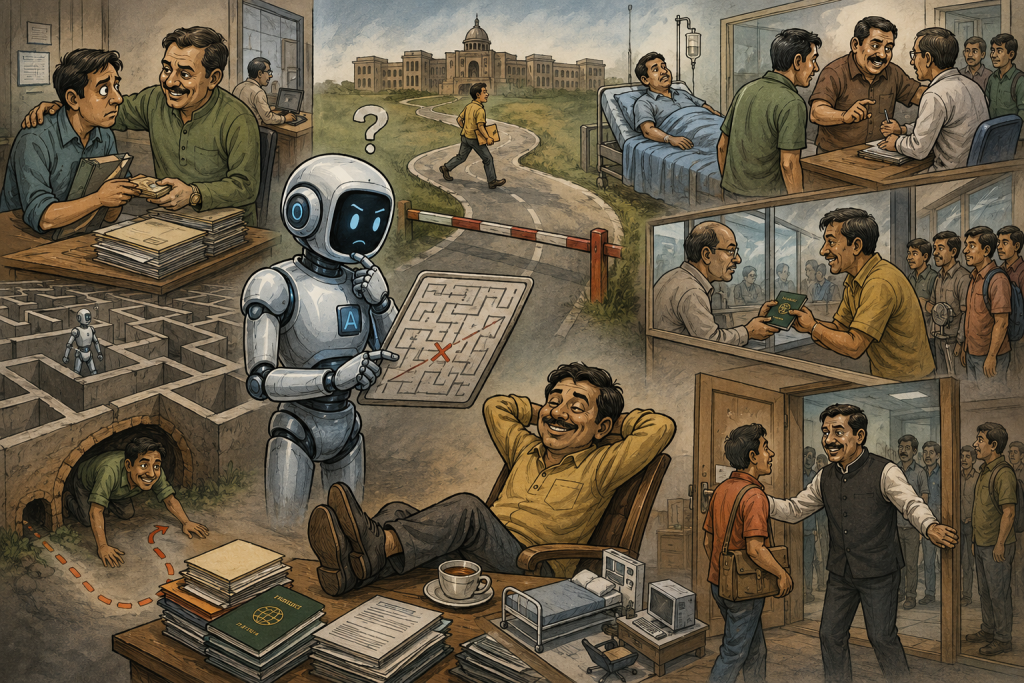
These days, everyone is talking about Artificial Intelligence. Some say AI will replace doctors. Others say lawyers, teachers, journalists, and programmers should start worrying. And honestly, they have a point. AI can already write articles, generate images, create software, and even have conversations that sound surprisingly human. But whenever I look at Bangladesh, I feel there are some jobs AI will never be able to take. Because these jobs are not built on knowledge alone. They are not built on logic, data, or technical skills. They are built on relationships, informal networks, and a deep understanding of how the system really works. Take the divorce office broker, for example. AI can explain the law. It can tell you which documents you need. It can even fill out the forms for you. But AI can never become that friendly man standing outside the office who says, “Brother, first time here? Give everything to me. I’ll manage it.” That is not a technical skill. That is a social skill. It is the ability to recognize confusion, fear, and uncertainty and then turn them into a business opportunity. The same applies to passport office brokers. In an ideal world, AI should be enough. Online applications, digital verification, automated processing everything can be done through technology. But in Bangladesh, many people still ask a very important question: “Brother, is there any shortcut?” And that’s where AI has a problem. AI follows rules. Many of our systems survive because people know how to work around those rules. Think about hospital brokers. When a patient’s family is stressed, worried, and desperate, AI can provide information. But AI cannot become part of that invisible network that knows which doctor to see, which cabin to get, which test center to visit, and who needs a phone call. AI understands algorithms. It does not understand “arranging things.” And that might be its biggest weakness in South Asia. The funny thing is that as technology becomes smarter, we are discovering that many human activities are not technological at all. They are social. In many situations, relationships matter more than qualifications. Connections matter more than procedures. And knowing someone matters more than knowing something. So yes, one day AI may drive our cars, diagnose diseases, write reports, and analyze court documents. But some professions in Bangladesh still look surprisingly safe. Because they are not really jobs. They are parallel institutions. And perhaps the world’s most powerful AI still cannot learn how to put a hand on someone’s shoulder and confidently say: “Brother, don’t worry. I have a connection.”
AI বাংলাদেশের যে চাকরিগুলো খেতে পারবে না
কৃত্রিম বুদ্ধিমত্তা বা AI নিয়ে আজকাল অনেক আলোচনা। কেউ বলছেন, AI ডাক্তারদের জায়গা নেবে। কেউ বলছেন, আইনজীবী, শিক্ষক, সাংবাদিকসহ কারও চাকরিই নিরাপদ নয়। প্রযুক্তির এই দ্রুত অগ্রগতিতে উদ্বিগ্ন হওয়ার কারণও আছে। কারণ AI ইতোমধ্যে ছবি আঁকছে, কোড লিখছে, রিপোর্ট তৈরি করছে, এমনকি মানুষের মতো কথাও বলছে। কিন্তু বাংলাদেশের বাস্তবতায় দাঁড়িয়ে আমার মাঝে মাঝে মনে হয়, কিছু পেশা আছে যেগুলো AI কোনোদিনই নিতে পারবে না। কারণ এসব পেশার মূল শক্তি দক্ষতা নয়, তথ্য নয়, এমনকি যুক্তিও নয়। এগুলোর ভিত্তি হলো সম্পর্ক, অনানুষ্ঠানিক নেটওয়ার্ক, আর সিস্টেমের ফাঁকফোকর সম্পর্কে গভীর জ্ঞান। ধরুন, একজন বিবাহবিচ্ছেদ-অফিসের দালাল। AI হয়তো আপনাকে আইনের ধারা বুঝিয়ে দিতে পারবে, প্রয়োজনীয় কাগজপত্রের তালিকা দিতে পারবে, এমনকি আবেদনপত্রও পূরণ করে দিতে পারবে। কিন্তু AI কখনো সেই ভদ্রলোক হতে পারবে না, যিনি অফিসের সামনে দাঁড়িয়ে বলবেন, “ভাই, প্রথমবার আসছেন মনে হয়? আমারে দেন, সব আমি করে দিচ্ছি।” এটা শুধু তথ্যের ব্যাপার নয়। এটা মানুষের অনিশ্চয়তা, ভয় এবং অস্থিরতাকে বুঝে সেখানে জায়গা করে নেওয়ার এক বিশেষ সামাজিক দক্ষতা। একই কথা প্রযোজ্য পাসপোর্ট অফিসের দালালের ক্ষেত্রেও। আদর্শ পৃথিবীতে AI-ই যথেষ্ট হওয়ার কথা। অনলাইনে আবেদন, ডিজিটাল যাচাই, স্বয়ংক্রিয় প্রসেসিং সবই সম্ভব। কিন্তু বাংলাদেশি বাস্তবতায় মানুষের প্রথম প্রশ্ন প্রায়ই হয়, “ভাই, শর্টকাট কোনো উপায় আছে?” AI-এর সমস্যা হলো, সে নিয়ম মেনে চলে। আর আমাদের অনেক প্রতিষ্ঠান এমনভাবে গড়ে উঠেছে যেখানে নিয়ম জানার চেয়ে “কাকে চেনেন” প্রশ্নটা কখনো কখনো বেশি গুরুত্বপূর্ণ হয়ে ওঠে। হাসপাতালের দালালদের কথাও ভাবুন। একজন রোগীর পরিবার যখন আতঙ্কিত, বিভ্রান্ত এবং অসহায়, তখন AI হয়তো তথ্য দিতে পারবে। কিন্তু সেই সুযোগে কে কোথায় নিয়ে যাবে, কোন টেস্ট করাবে, কোন কেবিনে ভর্তি করাবে এই পুরো অনানুষ্ঠানিক অর্থনীতির অংশ হওয়া AI-এর পক্ষে সম্ভব নয়। কারণ AI অ্যালগরিদম বোঝে, কিন্তু “ব্যবস্থা করে দেওয়া” নামক সাংস্কৃতিক ধারণাটা বোঝে না। মজার বিষয় হলো, প্রযুক্তি যত উন্নত হচ্ছে, ততই আমরা বুঝতে পারছি যে মানুষের কিছু আচরণ প্রযুক্তিগত নয়, সামাজিক। সেখানে দক্ষতার চেয়ে সম্পর্ক বেশি মূল্যবান, আর নিয়মের চেয়ে অনিয়ম বেশি কার্যকর। তাই AI হয়তো একদিন আমাদের জন্য প্রবন্ধ লিখবে, গাড়ি চালাবে, রোগ নির্ণয় করবে, আদালতের নথি বিশ্লেষণ করবে। কিন্তু বাংলাদেশের কিছু পেশা এখনো নিরাপদ। কারণ সেগুলো কোনো চাকরি নয়; সেগুলো আসলে একটি সমান্তরাল প্রতিষ্ঠান। এবং পৃথিবীর সবচেয়ে শক্তিশালী AI-ও সম্ভবত এখনো শিখে উঠতে পারেনি, কীভাবে কারও কাঁধে হাত রেখে বলতে হয়, “ভাই, চিন্তা করেন না। আমার লোক আছে।”
Tofail Ahmed’s Political Push, Zia’s Support, and Osmani’s Ultimatum: How Cadet Colleges Survived a National Crisis
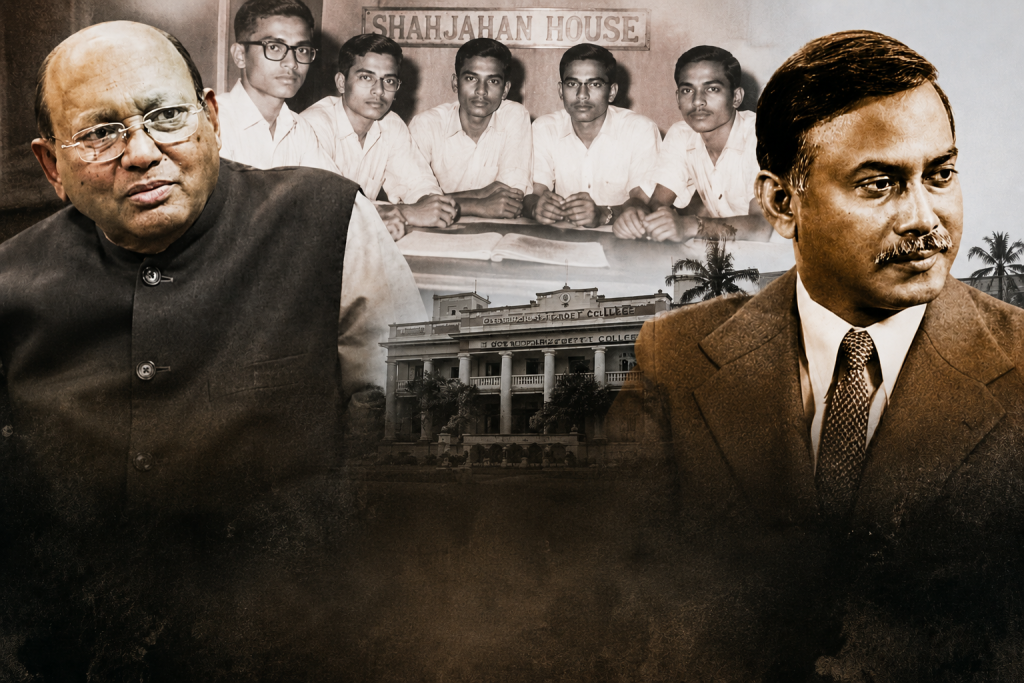
A meeting. Only five cadets. And one decision: student politics would not be allowed to enter cadet colleges. After that decision in 1972, a chain of events began that eventually pushed the very existence of all cadet colleges in the country into crisis. Later, the initiative of the cadets, the support of military officers, and the firm stance of General M A G Osmani brought a new turn to that history. Bangabandhu’s political assistant, Mr. Tofail Ahmed, visited the Faujdarhat Cadet College in 1972 with the aim of creating a political wing for students. At that time, five cadets led by Anwarul Haque gathered in a meeting at “Shahjahan House.” Along with Anwarul Haque, the meeting was attended by the late Kayyumul Huda, M A Tarek, Minu Khadem, and M Nurur Rahman. There, it was decided that student politics must not be allowed to enter the cadet colleges under any circumstances. For this reason, everyone agreed to tell others not to attend Tofail Ahmed’s political meeting. Not only that, but they also decided to persuade everyone not to go to the auditorium that day. The result was significant. Tofail Ahmed had to return empty-handed. He became angry with all cadet colleges. Just 10 days later, news came through radio, television, and newspapers that the then four cadet colleges Faujdarhat, Jhenidah, Mirzapur, and Rajshahi had been declared abolished. In a “Presidential Ordinance” (PO) signed by Bangabandhu, the abolition of cadet colleges was announced. It was stated there that from then on these institutions would be treated as general government colleges under the Ministry of Education. After this announcement, the same five people again held a meeting at “Shahjahan House.” The subject of the meeting was: “What should we do, and what must we do, to preserve cadet colleges in Bangladesh?” It was decided there that opinions would be collected from cadets of all batches in all colleges in favor of keeping cadet colleges alive. This initiative was named the “Keep Cadet Colleges Campaign.” Every cadet at that time supported the campaign. The senior cadets in charge of the campaign later came to Dhaka and met Colonel Chowdhury M Mohsin, an ex-cadet of Faujdarhat and an officer in the armed forces. He advised them to meet Brigadier Ziaur Rahman for consultation and guidance. Following his advice, an appointment was made with Ziaur Rahman. One evening, they went to his residence at Dhaka Cantonment regarding the matter. There, Brigadier Ziaur Rahman spoke over the phone with General M A G Osmani about the future and necessity of cadet colleges. Ziaur Rahman then remarked, “If General Osmani cannot do it, no one in Bangladesh can stop the abolition of cadet colleges.” Although he was a cabinet member, General Osmani knew nothing about the government’s decision to abolish cadet colleges. After learning about it, he expressed strong anger and concern. He said that he would speak to Bangabandhu about it that very day. Later, he contacted Bangabandhu through the red phone. He asked Bangabandhu, “Who advised him to abolish the cadet colleges, and how was such a move made without my knowledge?” While speaking with Bangabandhu in both Bangla and English, his anger and concern were clearly evident. He emphasized the importance of cadet colleges in the country’s education system and said that the PO abolishing cadet colleges should be revoked. At one point in that discussion, Osmani made his position clear. His final words were: “Cadet colleges will stay, I will stay; otherwise, I will resign.” “If cadet colleges stay, I stay; otherwise, I resign.” Due to Tofail Ahmed’s frustration in 1972–73 over not being able to form the student league committee, or because of the politicization of educational institutions, the country’s renowned cadet colleges would otherwise have been destroyed today by internal factionalism.
How Royal Challengers Bengaluru Transformed from IPL’s Biggest Meme to a Championship Dynasty
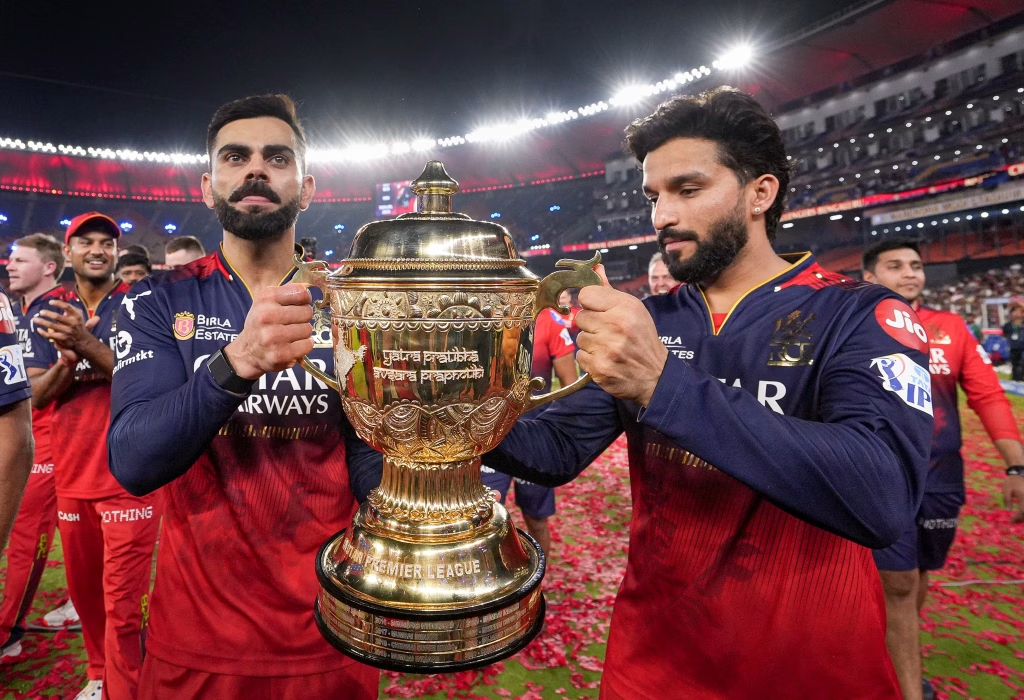
For nearly two decades, supporting Royal Challengers Bengaluru (RCB) was never merely about cricket. It was an emotional commitment, a journey defined by hope, heartbreak, and unwavering loyalty. Every IPL season began with dreams. Every season seemed to end with disappointment. Yet millions of supporters continued to believe. Through final defeats, dramatic collapses, relentless trolling, and countless memes, one slogan remained alive in the hearts of fans: “Ee Sala Cup Namde” — This year, the cup is ours. For seventeen long seasons, it wasn’t. Then, history changed. In 2025, Royal Challengers Bengaluru finally achieved what generations of supporters had been waiting for. By defeating the Punjab Kings in the IPL final, they lifted their maiden trophy and ended one of the longest title droughts in franchise cricket. Many believed that victory was the perfect conclusion to a story filled with suffering and perseverance. Instead, it became the beginning of a new chapter. Just a year later, RCB successfully defended their title, defeating Gujarat Titans in the 2026 IPL Final and establishing themselves as one of the league’s elite franchises. The team that had once been cricket’s most famous underachiever had transformed into a champion dynasty. The Long Road to Glory When the IPL was launched in 2008, RCB immediately became one of its most glamorous franchises. Backed by Vijay Mallya and featuring icons such as Rahul Dravid, Anil Kumble, Jacques Kallis, and Mark Boucher, expectations were enormous. However, the inaugural season exposed a fundamental problem. While other teams adapted quickly to the fast-paced nature of T20 cricket, RCB struggled with a more traditional approach and finished seventh out of eight teams. Yet the disappointing start did little to weaken the bond between the franchise and the city of Bengaluru. The fanbase continued to grow, laying the foundation for one of cricket’s most loyal supporter cultures. Years of Near Misses The heartbreak truly began in 2009 when Anil Kumble led RCB to their first IPL final. Despite a brilliant bowling performance from the legendary captain, the team fell agonizingly short against the Deccan Chargers. More disappointment followed in 2011. Powered by the explosive arrival of Chris Gayle and the emergence of Virat Kohli, RCB reached another final only to be outclassed by Chennai Super Kings. The years that followed produced some of the most entertaining cricket ever witnessed in the IPL. Gayle’s six-hitting heroics, AB de Villiers’ extraordinary innovation, and Kohli’s relentless consistency turned RCB into a global phenomenon. Yet trophies remained elusive. The Pain of 2016 For many supporters, no season was more painful than 2016. Virat Kohli delivered arguably the greatest individual campaign in IPL history, scoring 973 runs and smashing four centuries. Alongside AB de Villiers, he carried RCB into the final against Sunrisers Hyderabad. Everything appeared perfectly scripted. Playing at home in Bengaluru, chasing a challenging target, with Kohli in the form of his life, RCB seemed destined to create history. Instead, they suffered another heartbreaking defeat. For fans, it felt like the cruelest chapter of all. From Mockery to Mastery The years between 2017 and 2019 marked the franchise’s darkest period. The infamous 49 all-out against the Kolkata Knight Riders became a symbol of RCB’s struggles. Social media mockery intensified, and “Ee Sala Cup Namde” became one of cricket’s most ridiculed slogans. However, beneath the criticism, the franchise began to learn valuable lessons. RCB gradually shifted away from relying solely on superstar names and focused on building a balanced squad. Better recruitment, improved bowling resources, stronger domestic talent development, and a clearer strategic vision began to reshape the organization. The Championship Era The breakthrough finally arrived in 2025. This RCB team looked different. More mature. More balanced. More composed. In a tense final against the Punjab Kings, they held their nerve and secured a memorable victory, bringing an 18-year wait to an end. For Virat Kohli, who had devoted the prime years of his career to the franchise, it was a deeply emotional moment. One year later, RCB proved their success was no accident. By successfully defending the IPL title in 2026, they silenced the remaining doubters and completed one of the greatest redemption stories in sports history. Virat Kohli: The Heart of the Journey No figure embodies the RCB story more than Virat Kohli. He experienced every setback, every criticism, every final defeat, and every failed campaign. Yet he remained loyal to the franchise throughout. When RCB finally lifted the trophy in 2025, it was more than a championship victory. It was the completion of a journey nearly two decades in the making. The successful title defense in 2026 elevated that journey into legend. More Than a Cricket Story RCB’s transformation is about far more than winning trophies. It is a story of resilience in the face of failure. It is a story of supporters who never stopped believing. It is a story of a franchise that endured years of disappointment before finally reaching the summit. From heartbreak to history, from memes to medals, from underachievers to champions, Royal Challengers Bengaluru have authored one of the greatest redemption arcs in IPL history. And for millions of fans who waited nearly two decades to witness it, the slogan that once represented hope has finally become reality. “Ee Sala Cup Namde.”
What is Cockroach Janta Party? The Full Story of the Viral Youth Anger Movement
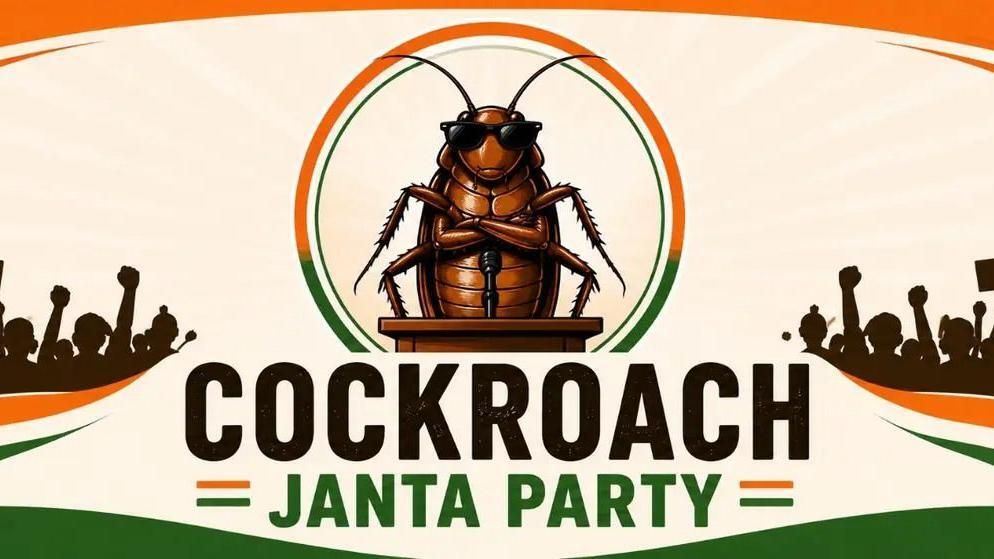
Recently, a strange but powerful movement had gone viral on Indian social media, ” Cockroach Janta Party” or CJP for short. At first glance, the name may sound laughable, but behind it lies the deep anger, frustration, and protest of millions of young people in today’s India. Within just 7 to 10 days, the movement became so popular that the government was forced to take swift action. It all began with a remark made by Chief Justice of India Surya Kant. During a hearing, he referred to a group of young people as “cockroaches.” The comment deeply offended many young people, who felt that their unemployment, frustration, and struggles had been insulted in this way. At that very moment, Abhijit Dipke, a 30-year-old living in Boston, seized the opportunity and launched a website and social media accounts under the name Cockroach Janta Party. He declared himself the founder of the movement and said it was “the voice of idle and unemployed youth.” Their posts were very different, sharp satire, funny memes, and direct criticism of the government and institutions. On issues such as the NEET paper leak, irregularities in recruitment exams, the failure of the education system, and unemployment, they spoke in a way that drew young people by the thousands. Within just a few days, their Instagram following crossed 20 million. Their manifesto contained several clear demands. These included ending post-retirement benefits for judges, introducing 50 percent reservation for women, supporting independent media, imposing a 20-year ban on political leaders switching parties, and demanding the education minister’s resignation over exam irregularities such as those in NEET. These demands struck a strong chord among the youth. But the government did not welcome this rapid rise. Suddenly, their official website was blocked, and their X (Twitter) account was also shut down. The government said it was a threat to national security and that the action was taken based on an Intelligence Bureau report. Abhijit Dipke has said that he and his family have received death threats. He has now filed a case in the Delhi High Court seeking the unblocking of the account. Political reactions have also come from both sides. The BJP attacked the movement as a “foreign conspiracy” and something “backed by the opposition,” saying it was an attempt to destabilize the country. On the other hand, Congress leader Shashi Tharoor said that in a democracy, there should be space for satirical criticism and for young people to express their anger. He called for channeling that anger in the right direction. In fact, Cockroach Janta Party is not a registered political party. It will not contest any election. It is simply a satirical expression of the long-suppressed frustration and anger of young people. But its rapid spread and the government’s equally swift crackdown have together made one thing clear: the condition of the youth and the reality of digital politics in today’s India remain highly sensitive.
The Loving Father Behind the Rebel Poet
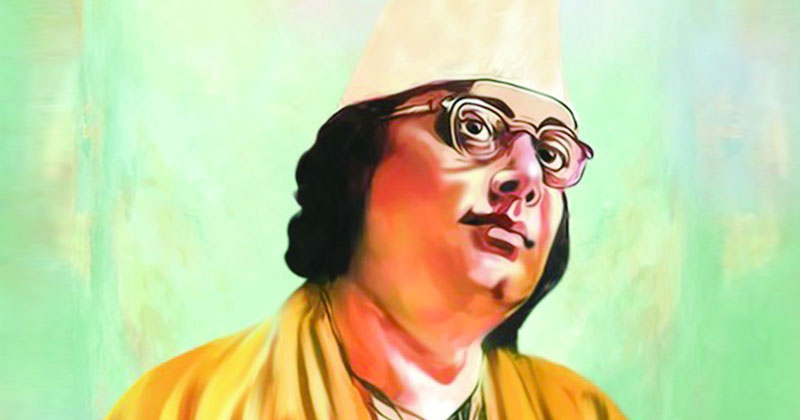
When the Kolkata police arrived to search Kazi Nazrul Islam’s house for banned books like Bisher Banshi, Bhangar Gaan, and Proloy Shikha, the poet did not resist. The officers turned the house upside down, scattering belongings everywhere, yet Nazrul remained calm and indifferent. But suddenly, the police noticed a small box in a corner. As they moved toward it, the rebel poet became frantic. He pleaded with the lead officer, “Do whatever you want, but please do not touch this box.” Ignoring his request, the police opened it. Inside were neatly arranged tiny clothes and toys belonging to Nazrul’s beloved son, Bulbul, who had passed away years earlier. The embarrassed officers saw tears shimmering in the poet’s eyes. Though celebrated in Bengali literature as the “Rebel Poet,” this deeply emotional side of Nazrul was revealed through the memories and interviews of his son, Kazi Sabyasachi. Nazrul adored his children and constantly worried about them. When little Bulbul died of smallpox at just four years old, the grief shattered him. Sabyasachi once said about his father, “I do not know how many people were blessed with such a generous-hearted father. In that sense, my brother and I were truly fortunate.” Sabyasachi’s nickname was “Sani,” inspired by Chinese revolutionary leader Sun Yat-sen, whom Nazrul admired deeply. His younger brother, Kazi Aniruddha, was lovingly called “Nini,” after Vladimir Lenin. Nazrul had four sons in total. His first son, Krishna Muhammad, died in infancy, while Bulbul passed away at the age of four. ‘তোমার সানি যুদ্ধে যাবে মুখটি করে চাঁদ পানা কোল ন্যাওটা তোমার নিনি বোমার ভয়ে আধখানা…’ He also made up another playful rhyme for the two brothers: ‘সানি নিনি দুই ভাই ব্যাং মারে ঠুইঠাই।’ Whenever Nazrul traveled away from home, he regularly wrote letters to his sons. Every letter ended with the same affectionate line: “Take my kisses. Yours, Baba.” Before falling seriously ill, Nazrul once dreamed of building a home in Baguiati, Kolkata. He even paid an advance for several bighas of land there. He would often take his family to visit the site and excitedly describe his plans: a bungalow-style house with a pond in the middle, fish in the water, and rooms arranged carefully for the family. He especially worried about little Nini going too close to the pond because the boy could not swim. But the dream never materialized. One day, while inspecting the land, Nazrul was disturbed by the foul smell of garbage carts passing nearby. Covering his nose with a handkerchief and applying perfume for himself and his sons, he firmly declared, “No, we will not build a house here. I won’t be able to write in this stench. My boys will fall sick.” Nazrul also loved taking his sons to football matches, theaters, and cinemas. Once, during an IFA Shield match between Mohammedan Sporting and K.C.B., he suddenly realized Sani and Nini were missing in the crowd. Panic-stricken, he began shouting, “Where is Sani? Where is Nini?” The entire stadium stared in shock until the boys were finally found and safely brought home in a taxi. Yet Nazrul’s affection was balanced with discipline. One afternoon, while the adults were busy playing cards, young Sabyasachi and Aniruddha decided to experiment with matches. Soon, they accidentally set a sofa on fire, and within moments the room was engulfed in flames. When Nazrul discovered what had happened, he glared at the boys with such fierce anger that both brothers trembled in fear.
দ্রোহের আড়ালে যে মানুষটি শুধু একজন বাবা
কলকাতা পুলিশ নজরুলের বাড়ি তল্লাশি করতে এল। যদি কোনো নিষিদ্ধ বই পাওয়া যায়। বিষের বাঁশি, ভাঙার গান, প্রলয়শিখা ছিল তখন বাজেয়াপ্ত। অনেক খোঁজাখুঁজি করেও পুলিশ কিছু পেল না। তল্লাশিতে নজরুল কোনো বাধা দেননি। বাড়ির জিনিসপত্র সব লন্ডভন্ড হয়ে যাচ্ছে, সেদিকে তাঁর ভ্রুক্ষেপ নেই। একটা সময় পুলিশের নজর গেল একটা বাক্সের দিকে। ওই দিকে এগিয়ে যেতেই কবি পাগলের মতো হয়ে গেলেন। তল্লাশি দলে থাকা পুলিশের প্রধান কর্মকর্তাকে বললেন, ‘আর যা-ই করুন, এ বাক্সে হাত দেবেন না।’ পুলিশ জেদ করে বাক্স খুলে দেখলেন। সেখানে ছোট একটি ছেলের জামা, খেলনা সুন্দরভাবে সাজানো। সেগুলো ছিল নজরুলের প্রয়াত ছেলে বুলবুলের স্মৃতি। লজ্জিত পুলিশ কর্মকর্তা দেখলেন, নজরুলের চোখে পানি টলমল করছে। দ্রোহের কবি হিসেবে বাংলা সাহিত্যে যাঁর পরিচয়, তাঁর মনে পুত্রস্নেহের এই কোমল দিকটি উঠে এসেছে আরেক ছেলে কাজী সব্যসাচীর স্মৃতিচারণামূলক লেখা ও সাক্ষাৎকারে। বাবা হিসেবে সন্তানদের নিয়ে খুব ভাবতেন। চার বছরের ছোট্ট বুলবুল যখন মারা যায়, তখন তিনি পুত্রশোকে পাগলের মতো হয়ে গিয়েছিলেন। বাবা প্রসঙ্গে কাজী সব্যসাচী বলেছিলেন, ‘এমন উদার হৃদয়বান বাবা কজন পেয়েছেন, জানি না। এদিক দিয়ে আমরা দুই ভাই ছিলাম সত্যিই ভাগ্যবান।’ কাজী সব্যসাচীর ডাকনাম সানি। কবি কাজী নজরুল ইসলামের প্রিয় চীনের বিপ্লবী নেতা সান-ইয়াৎ সেনের নাম থেকে এ নাম রাখা হয়। আর লেনিনের নাম অনুসরণে কাজী অনিরুদ্ধকে ‘নিনি’ নামে ডাকতেন কবি। কাজী নজরুলের চার ছেলে ছিল। প্রথম ছেলে কৃষ্ণ মুহম্মদ খুব ছোট বয়সেই মারা যায়। দ্বিতীয় ছেলে অরিন্দম বুলবুল মাত্র চার বছর বয়সে বসন্ত রোগে মারা যায়। ‘তোমার সানি যুদ্ধে যাবে/ মুখটি করে চাঁদ পানা/ কোল ন্যাওটা তোমার নিনি/ বোমার ভয়ে আধখানা…’—ছেলে কাজী সব্যসাচী ও কাজী অনিরুদ্ধকে নিয়ে এ ছড়াটি প্রায়ই আবৃত্তি করতেন বাবা কাজী নজরুল ইসলাম। দুই ছেলেকে নিয়ে আরও ছড়া বানিয়েছিলেন নজরুল, ‘সানি নিনি দুই ভাই/ ব্যাং মারে ঠুইঠাই।’কাজী সব্যসাচীর এক স্মৃতিচারণায় জানা যায়, যখন নজরুল পরিবার থেকে দূরে কোথাও যেতেন, নিয়মিত দুই ছেলেকে চিঠি লিখতেন। সব চিঠির শেষে থাকত ‘আমার চুমু নিও। ইতি বাবা।’ অসুস্থ হওয়ার বেশ কিছুদিন আগে নজরুল কলকাতার বাগুইআটিতে একটা বাড়ি করার কথা ভেবেছিলেন। সেখানে কয়েক বিঘা জমির বায়নার টাকাও আগাম দিয়েছিলেন। প্রায়ই পরিবারের সবাইকে নিয়ে তিনি সে জমি দেখতে যেতেন। বাসস্থানের পরিকল্পনা করেছিলেন এইভাবে—‘বাড়িটা হবে বাংলো প্যাটার্নের। সামনে বা মাঝখানে একটা পুকুর থাকবে। পুকুরে মাছ ছাড়া হবে। প্রয়োজনমতো জাল কিংবা ছিপ ফেলে তা ধরা হবে। দক্ষিণ দিকে থাকবে আমার আর নিনির ঘর। তবে পুকুরের কাছে নিনি যাতে না যায়, তারও একটা ব্যবস্থা থাকবে, নিনি বড় শান্ত। সাঁতার জানে না।’ তবে সেখানে জমি কেনা হয়নি নজরুলের, বাড়িও করা হয়নি। একদিন সবাইকে নিয়ে বাগুইআটিতে গেছেন জমি দেখতে। কোথায় বাগান হবে, কোথায় বৈঠকখানা—এসব কথা বলতে যাচ্ছিলেন, এমন সময় হঠাৎ কী একটা উৎকট গন্ধে হকচকিয়ে গেলেন কবি। ওই সময় রাস্তা দিয়ে ময়লা ফেলা গাড়ি যাচ্ছিল। নজরুল নাকে রুমাল চাপা দিয়ে পকেট থেকে সুগন্ধি বের করে নিজের নাকে লাগালেন। দুই ছেলের নাকে নাকে ঘষে দিয়ে বললেন, ‘না, এখানে বাড়ি করা হবে না। এই দুর্গন্ধে আমার লেখাটেখা বেরোবে না। ছেলেরা মারা পড়বে।’ দুই ছেলে এবং পরিবারের অন্য সদস্যদের নিয়ে প্রায়ই নাটক-সিনেমা দেখতে যেতেন নজরুল। বাড়ির বাইরে ছেলেদের নিয়ে গেলে সব সময় লক্ষ রাখতেন। কবি সময় পেলেই ফুটবল খেলা দেখতে যেতেন। একদিন দুই ছেলেকে নিয়ে নজরুল আইএফএ শিল্ডের মোহামেডান স্পোর্টিং বনাম কেওসিবির খেলা দেখতে গেছেন। খেলা শেষে হঠাৎ খেয়াল করলেন, সঙ্গে দুই ছেলে নেই। রীতিমতো চিৎকার শুরু করেছিলেন নজরুল, ‘সানি কোথায়, নিনি কোথায়?’ মাঠসুদ্ধ লোক হাঁ করে দেখছে। শেষে দুই ছেলে পেয়ে ট্যাক্সি করে বাড়ি এসে তিনি স্বস্তির নিশ্বাস ফেললেন। আদরের পাশাপাশি শাসনেও ছিল নজরুলের নিজস্ব রীতি। একদিন দুপুরবেলা পরিবারের বড় সদস্যদের নিয়ে জমিয়ে তাস খেলছিলেন নজরুল। এই সময় সব্যসাচী ও অনিরুদ্ধ পাশের ঘরে কী করা যায়, সেই ভাবনায় অস্থির। অনিরুদ্ধ দেশলাই জোগাড় করে আনলেন। সব্যসাচী কাঠি জ্বালিয়ে সোফায় ধরিয়ে দিলেন আগুন। হঠাৎ পাশের বাড়ি থেকে চিৎকার শোনা গেল। হন্তদন্ত হয়ে সবাই ছুটলেন পাশের ঘরে। দাউ দাউ করে আগুন জ্বলছে। দুটো সোফাই পুড়ে ছাই হয়ে গেছে। বুঝতে কারও বাকি রইল না এ কাদের কীর্তি। হুংকার ছেড়ে চোখ পাকিয়ে নজরুল এমন করে দুই ছেলের দিকে তাকালেন যে দুই ভাইয়ের হাত-পা থরথর করে কাঁপতে লাগল।
Before 1971, Fazlul Huq Already Knew Pakistan Would Fail
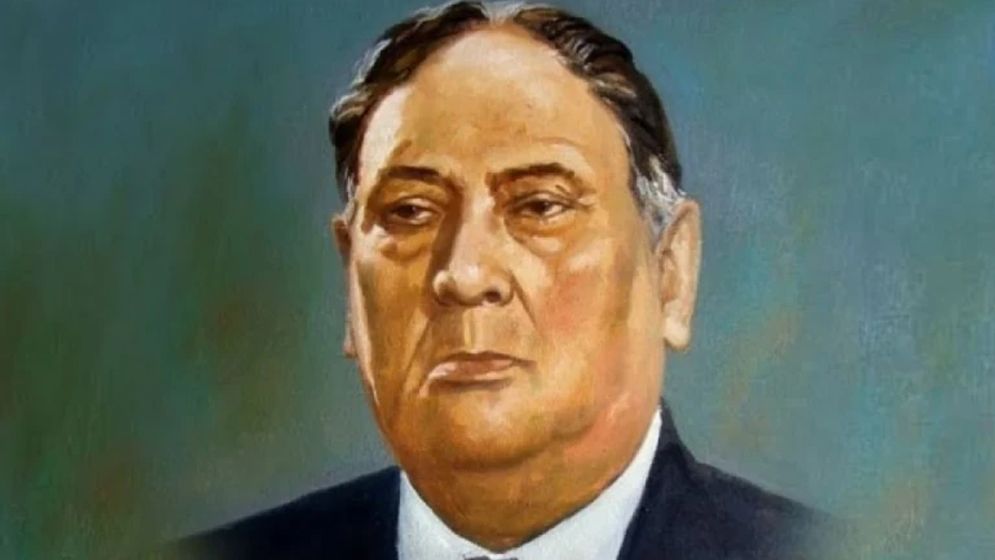
The elites of Kolkata once argued that there was no need to establish a university in Dhaka. According to them, a small agricultural college near Farmgate or Dhanmondi would be enough. Outraged by this narrow-minded and self-serving attitude, A. K. Fazlul Huq went to the British authorities and firmly argued that Dhaka deserved a full-fledged university. The British eventually softened their stance, though the First World War delayed the project. When University of Dhaka was finally established in 1921, Sher-e-Bangla Fazlul Huq was serving as the Education Minister of Bengal. In 1916, he became the president of the All-India Muslim League. The following year, in 1917, he became the General Secretary of the Indian National Congress. He remains the only person in history to have simultaneously held the positions of President of the Muslim League and General Secretary of the Congress. During 1918–19, Jawaharlal Nehru served as his personal secretary. Before the 1937 elections, Fazlul Huq declared that if elected, he would abolish the zamindari system forever. To stop him, landlords across Bengal and Kolkata spent enormous amounts of money against him. But it was of no use—the peasants voted for their own leader. At the historic Lahore Resolution session in 1940, Muhammad Ali Jinnah was delivering his speech when a sudden murmur spread through the audience. People’s attention shifted away from Jinnah because Fazlul Huq had just entered the hall. Seeing this, Jinnah reportedly remarked: “When the tiger arrives, the lamb must give way.” It was Fazlul Huq who moved the historic Lahore Resolution. In his proposal, he envisioned separate Muslim-majority states: one in the northwestern region and another comprising Bengal and Assam in the east. However, only a few days later, Jinnah altered the wording of the resolution. The original phrase “Muslim majority states” was changed into “Muslim majority state,” transforming the vision of two sovereign Muslim states into a single Pakistan. Fazlul Huq bitterly remarked: “Jinnah circumcised my Lahore Resolution.” He believed that a country divided into eastern and western wings with India in between could never survive in the long run. History proved his fears correct in 1971 during the Bangladesh Liberation War. Sheikh Mujibur Rahman later wrote in his memoirs that ordinary people loved Fazlul Huq so deeply that criticizing him often provoked public anger. Bangabandhu’s own father once advised him: “Whatever you do, never speak against Sher-e-Bangla. He did not become Sher-e-Bangla without reason.” Professionally, Fazlul Huq was one of the most respected lawyers of the Calcutta High Court. Before studying law, he completed triple honours in Physics, Chemistry, and Mathematics, and later earned a master’s degree in Mathematics. Once, during a legislative budget session, an MP personally attacked him and even began singing a mocking song aimed at humiliating him. Fazlul Huq calmly responded: “Mr. Speaker, I can jolly well face the music, but I cannot face a monkey.” When controversy erupted, he cleverly clarified: “I never mentioned any honourable member of this House. But if any honourable member thinks that the cap fits him, I withdraw my remark.” Throughout his life, he held almost every major political office possible. He served as the first Prime Minister of Bengal, the Chief Minister of East Bengal, the Home Minister of Pakistan, the Governor of East Pakistan, and the Chancellor of the University of Dhaka. Yet above all, Fazlul Huq became beloved because he stood for the peasants and working-class people of Bengal. He once said: “The day the newspapers of Kolkata begin praising me, know that the peasants of Bengal are in danger.” In 1948, when Jinnah visited Dhaka and declared Urdu to be the sole state language of Pakistan, students fiercely protested. Jinnah suspected that Fazlul Huq was secretly encouraging the students. Eventually, the two leaders met privately. According to Fazlul Huq’s assistant, the conversation unfolded sharply. Jinnah said: “You never truly wanted Pakistan.” Fazlul Huq replied: “I was the one who moved the proposal. Later, it was mutilated.” When Jinnah warned him by saying, “You are talking to the Governor-General of Pakistan,” Fazlul Huq calmly answered: “I know the powers of a constitutional Governor-General.” And when Jinnah attempted to intimidate him further, Fazlul Huq responded boldly: “This is Bangladesh, and you are talking to the Royal Bengal Tiger.” A. K. Fazlul Huq was not merely a politician. He was the voice of Bengal’s peasants and workers, a visionary leader who foresaw the future long before others did, and one of the greatest figures in the political history of Bengal.
শেরে বাংলা ফজলুল হক বুঝেছিলেন পাকিস্তান টিকবে না
কলকাতার বাবুরা বলেছেন, “ঢাকায় বিশ্ববিদ্যালয় করার কোন দরকার নেই। ফার্মগেট আছে,ধানমণ্ডি আছে পাশে একটা কৃষি কলেজ করে দাও। “ এই ধরনের কায়েমী স্বার্থবাদী আচরণে ক্ষুব্ধ হয়ে ব্রিটিশ লর্ডের কাছে গিয়ে শেরে বাংলা ফজলুল হক বোঝালেন ঢাকায় বিশ্ববিদ্যালয় প্রতিষ্ঠা করতেই হবে। এবার ব্রিটিশরা কিছুটা নমনীয় হল — কিন্তু বিশ্বযুদ্ধের কারণে বিশ্ববিদ্যালয় প্রতিষ্ঠিত হল একটু দেরীতে । ঢাকা বিশ্ববিদ্যালয় যখন প্রতিষ্ঠিত হয় তখন বাংলার শিক্ষামন্ত্রী ছিলেন শেরে বাংলা ফজলুল হক । শেরে বাংলা এ কে ফজলুল হক ১৯১৬ সালে মুসলিম লীগ এর সভাপতি নির্বাচিত হন । পরের বছর ১৯১৭ সালে তিনি ভারতীয় জাতীয় কংগ্রেস এর সাধারণ সম্পাদক হন । তিনিই ইতিহাসের একমাত্র ব্যক্তি যিনি একই সময়ে মুসলিম লীগ এর প্রেসিডেন্ট এবং কংগ্রেস এর জেনারেল সেক্রেটারি ছিলেন । ১৯১৮ -১৯ সালে জওহরলাল নেহেরু ছিলেন ফজলুল হকের ব্যক্তিগত সচিব । ১৯৩৭ এর নির্বাচনে শেরে বাংলা আবুল কাশেম ফজলুল হক ঘোষণা দিয়েছেন নির্বাচনে জিতলে তিনি জমিদারি প্রথা চিরতরে উচ্ছেদ করবেন। তিনি যাতে নির্বাচিত হতে না পারেন তার জন্য সারা বাংলাদেশ আর কলকাতার জমিদাররা একত্র হয়ে লক্ষ লক্ষ টাকা খরচ করেছেন। লাভ হয়নি — কৃষকরা তাদের নেতাকে ভোট দিয়েছেন। মুসলিম লীগ এর লাহোর অধিবেশনে মোহাম্মদ আলী জিন্নাহ বক্তব্য দিচ্ছেন । হঠাৎ করে একটা গুঞ্জন শুরু হলো, দেখা গেল জিন্নাহর বক্তব্যের দিকে কারও মনযোগ নাই । জিন্নাহ ভাবলেন, ঘটনা কী ? এবার দেখলেন, এক কোণার দরজা দিয়ে ফজলুল হক সভামঞ্চে প্রবেশ করছেন, সবার আকর্ষণ এখন তার দিকে । জিন্নাহ তখন বললেন — When the tiger arrives, the lamb must give away. এই সম্মেলনেই তিনি উত্থাপন করেছিলেন ঐতিহাসিক লাহোর প্রস্তাব । ১৯৪০ সালের ২২-২৪ শে মার্চ লাহোরের ইকবাল পার্কে মুসলিম লীগের কনফারেন্স অনুষ্ঠিত হয়। এই কনফারেন্সে বাংলার বাঘ আবুল কাশেম ফজলুল হক ঐতিহাসিক লাহোর প্রস্তাব উত্থাপন করেন। তিনি তার প্রস্তাবে বলেন, হিন্দু সাম্প্রদায়িকতার বাস্তবতায় হিন্দু মুসলিম একসাথে বসবাস অসম্ভব। সমাধান হচ্ছে, মুসলিম সংখ্যাগরিষ্ঠ উত্তর পশ্চিমাঞ্চলে একটি স্বাধীন মুসলিম রাষ্ট্র এবং পূর্বাঞ্চলে বাংলা ও আসাম নিয়ে আরেকটি স্বাধীন মুসলিম রাষ্ট্র প্রতিষ্ঠিত হবে। পাঞ্জাবের মওলানা জাফর আলী খান, সীমান্ত প্রদেশের সর্দার আওরঙ্গজেব, সিন্ধের স্যার আব্দুল্লাহ হারুন, বেলুচিস্তানের কাজী ঈসা ফজলুল হকের প্রস্তাব সমর্থন করেন। কনফারেন্সে এই প্রস্তাবটি সর্বসম্মতিক্রমে পাশ হয়। লাহোর প্রস্তাব উত্থাপনের সময়ে হিন্দুপ্রধান প্রদেশগুলোতে মুসলিম নির্যাতনের মাত্রা বাড়তে থাকার কারণে ফজলুল হক খুবই উদ্বিগ্ন এবং কিছুটা উত্তেজিত ছিলেন। তিনি তার বক্তব্যে একবার বলেন, ‘ আমি আগে মুসলিম, পরে বাঙালী (muslim first, bengali afterwards)’। বক্তৃতার এক পর্যায়ে এসে বলেন, ‘কংগ্রেস শাসিত রাজ্যগুলোতে যদি আর কোনো মুসলিম নির্যাতিত হয় তাহলে আমি বাংলার হিন্দুদের উপর তার প্রতিশোধ নেব।’ যে ফজলুল হক তিন বছর আগে সোহরাওয়ার্দী, নাজিমউদ্দিনকে রেখে শ্যামাপ্রসাদের সাথে কোয়ালিশন সরকার গঠন করেছেন সেই ফজলুল হকের মুখে এমন বক্তব্য তখনকার ভারতে ব্যাপক আলোড়ন সৃাষ্ট করেছিল। বর্তমানে যে পাকিস্তান রাষ্ট্র তার ভিত্তি হচ্ছে লাহোর প্রস্তাব। তাই ২৩ শে মার্চ কে পাকিস্তানে প্রজাতন্ত্র দিবস হিসেবে পালন করা হয়। কিন্তু লাহোর প্রস্তাব পাশ হওয়ার কয়েকদিন পরে মোহাম্মদ আলী জিন্নাহ চালাকির আশ্রয় নেন। তিনি বলেন, প্রস্তাবটি টাইপ করার সময়ে ভুল করে muslim majority states লেখা হয়েছে; আসলে হবে state । জিন্নাহর ধারণা ছিল, দেন-দরবার করে দুই পাশে দুইটা পাকিস্তান প্রতিষ্ঠা করা যাবে না। তাই স্টেটস এর জায়গায় স্টেট লিখে একটা মুসলিম মেজরিটি রাষ্ট্র করতে হবে। জিন্নাহর এই ধূর্ততার কারণে ফজলুল হক তার সাথে পাকিস্তান আন্দোলনে সম্পৃক্ত হননি। তরুণ শেখ মুজিব যখন জিন্নাহর নেতৃত্বে পাকিস্তান প্রতিষ্ঠার জন্য ঝাঁপিয়ে পড়েছেন তখন অভিজ্ঞ ফজলুল হক পাকিস্তানের বিরোধিতা করেছেন। ‘তিঁনি অনুমান করতে পেরেছিলেন পাকিস্তান প্রতিষ্ঠিত হলে কী কী দুর্দশা হবে বাংলার মানুষের। তাই তিঁনি পাকিস্তানের বিরোধিতা করেছেন। অসমাপ্ত আত্মজীবনী তে বঙ্গবন্ধু লিখেছেন……. “বাংলার মাটিও তাকে ভালোবেসে ফেলেছিল। যখনই হক সাহেবের বিরুদ্ধে কিছু বলতে গেছি, তখনই বাধা পেয়েছি। একদিন আমার মনে আছে একটা সভা করছিলাম আমার নিজের ইউনিয়নে, হক সাহেব কেন লীগ ত্যাগ করলেন, কেন পাকিস্তান চাননা এখন? কেন তিনি শ্যামাপ্রসাদ মুখার্জির সাথে মিলে মন্ত্রীসভা গঠন করেছেন? এই সমস্ত আলোচনা করছিলাম, হঠাৎ একজন বৃদ্ধ লোক যিনি আমার দাদার খুব ভক্ত, আমাদের বাড়িতে সকল সময়েই আসতেন, আমাদের বংশের সকলকে খুব শ্রদ্ধা করতেন- দাঁড়িয়ে বললেন,”যাহা কিছু বলার বলেন, হক সাহেবের বিরুদ্ধে কিছুই বলবেন না। তিনি যদি পাকিস্তান না চান, আমরাও চাই না। জিন্নাহ কে? তার নামও তো শুনি নাই। আমাদের গরিবের বন্ধু হক সাহেব।” এ কথার পর আমি অন্যভাবে বক্তৃতা দিতে শুরু করলাম। সোজাসুজিভাবে আর হক সাহেবকে দোষ দিতে চেষ্টা করলাম না। কেন পাকিস্তান আমাদের প্রতিষ্ঠা করতেই হবে তাই বুঝালাম। শুধু এইটুকু না, যখনই হক সাহেবের বিরুদ্ধে কালো পতাকা দেখাতে গিয়েছি, তখনই জনসাধারণ আমাদের মারপিট করেছে। অনেক সময় ছাত্রদের নিয়ে পালিয়ে আসতে বাধ্য হয়েছি, মার খেয়ে।” বঙ্গবন্ধু ‘ র বাবা বলেছেন , ” বাবা তুমি যাই করো শেরে বাংলার বিরুদ্ধে কিছু বলো না। শেরে বাংলা এমনি এমনি শেরে বাংলা হয়নি। “ ফজলুল হক জানতেন মাঝখানে ভারতকে রেখে পশ্চিম আর পূর্বে জোড়া দিয়ে এক পাকিস্তান করলে তা কখনো টিকবে না। ‘ জিন্নাহ আমার লাহোর প্রস্তাবের খৎনা করে ফেলেছে -বলে ফজলুল হক পাকিস্তান প্রতিষ্ঠার আন্দোলনে সক্রিয় থাকেননি। ১৯৪৬ এ এসে জিন্নাহ সোহরাওয়ার্দীর দুই বাংলা একত্র করে স্বাধীন যুক্তবাংলার দাবী মেনে নিয়েছিলেন। কিন্তু কংগ্রেসের বিরোধিতার কারণে শেষ পর্যন্ত বাংলাও ভাগ করতে হল। ফজলুল হক বলেছিলেন, একটি পাকিস্তান কখনও টিকবে না। বাংলা এবং আসামকে নিয়ে পৃথক স্বাধীন রাষ্ট্র করতে হবে। ১৯৭১ সালে এসে দেখা গেল, ফজলুল হকের আশঙ্কা এবং ভবিষ্যতবাণী সঠিক। ১৯৭১ এর মত এমন কিছু যে ঘটবে শেরে বাংলা ফজলুল হক তা আঁচ করতে পেরেছিলেন ১৯৪০ সালেই। তাই তিনি ১৯৪০ সালেই বাংলা আর আসাম নিয়ে পৃথক রাষ্ট্র করতে চেয়েছিলেন। অর্থাৎ স্বাধীন বাংলাদেশের প্রথম স্বপ্নদ্রষ্টা হলেন শেরে বাংলা এ কে ফজলুল হক। ১৯৭১ এর যুদ্ধ হল ফজলুল হকের লাহোর প্রস্তাবের বাস্তবায়ন। লাহোর প্রস্তাব ফজলুল হক যেভাবে উত্থাপন করে ছিলেন সেভাবে মানলে একাত্তরে এই দেশে রক্তগঙ্গা বইত না। পেশাজীবনে ‘কলকাতা হাইকোর্টের নামকরা আইনজীবী ছিলেন। একদিন তাঁর জুনিয়র হাতে একগাদা পত্রিকা নিয়ে এসে বললেন, ” স্যার , দেখুন , কলকাতার পত্রিকাগুলো পাতার পর পাতা লিখে আপনার দুর্নাম ছড়িয়ে যাচ্ছে — আপনি কিছু বলছেন না । ” তিঁনি বললেন, ” ওরা আমার বিরুদ্ধে লিখছে তার মানে হল আমি আসলেই পুর্ব বাংলার মুসলমান কৃষকদের জন্য কিছু করছি। যেদিন ওরা আমার প্রশংসা করবে সেদিন মনে করবে বাংলার কৃষক বিপদে আছে। “ মুহাম্মদ ওয়াজেদ আলী বরিশাল বারের নামকরা উকিল । একবার ওয়াজেদ আলী র প্রতিপক্ষ মামলার ইস্যু জটিল হওয়ার কারণে কলকাতা থেকে তরুণ উকিল ফজলুল হককে নিয়ে আসে ওয়াজেদ আলীকে মোকাবেলা করার জন্য । ফজলুল হক ওই সময়ে কেবলমাত্র ফজলুল হক , শেরে বাংলা তখনও হননি । তিনি মামলা লড়তে এসেছেন , কিন্তু বিপক্ষের উকিল কে সেই খবর জানতেন না ।
Bangladeshi Cinema: Crisis, Decline, and the Hope for Revival

Cinema is one of the most powerful branches of art, where literature, music, acting, painting, lighting, and technology merge into a single creative expression. This unique combination is why cinema is often described as “larger than life.” Through light and shadow, films possess the extraordinary ability to reflect human emotions, society, love, suffering, resistance, and dreams in ways few other art forms can achieve. Making a film is not simply a matter of money; it requires creativity, sensitivity, and the collective effort of many talented individuals. A successful film depends on a visionary director, a thoughtful storyteller, skilled actors, and dedicated technicians. While audiences only see the performers on screen, countless people work tirelessly behind the scenes to bring a story to life. There was a time when Bengali cinema reflected the realities of society and human life. Films inspired people to think, protest, dream, and empathize. Each film felt like a school of thought or a living library. However, when comparing the cinema of post-independence Bangladesh with much of today’s mainstream industry, disappointment becomes unavoidable. Excessive violence, unrealistic fight scenes, bloodshed, and distorted portrayals of love and conflict have become common in many films. Such trends not only weaken artistic quality but also negatively affect social and cultural values. Since the 1990s, Bangladeshi cinema has gradually lost audiences due to obscenity, poor storytelling, and declining artistic standards. Yet Bengali cinema once achieved global recognition through legendary filmmakers such as Satyajit Ray, Ritwik Ghatak, Mrinal Sen, and Goutam Ghose. Bangladesh itself also produced remarkable filmmakers like Khan Ataur Rahman, Zahir Raihan, Alamgir Kabir, and Subhash Dutta, who treated cinema as a meaningful form of artistic and social expression. Today, the Bangladeshi film industry faces multiple crises. Even conflicts surrounding artists’ associations have reached the courts, reflecting deep divisions within the cultural sphere. If artists themselves fail to uphold artistic integrity and moral responsibility, audiences naturally lose trust in the films they create. One of the major reasons behind the decline of Bangladeshi cinema is the growing influence of black money and profit-driven producers. Many producers prioritize commercial success over artistic excellence, turning films into mere business products. At the same time, ethical decline among some film personalities has disappointed audiences who once admired them as cultural icons. Despite these challenges, hope for revival still exists. Filmmakers such as Tareque Masud and Humayun Ahmed once attempted to bring new life to Bangladeshi cinema. Films like Matir Moina, Muktir Gaan, and Aguner Poroshmoni proved that meaningful, artistic cinema could also achieve popular success. In recent years, a new generation of educated and creative young filmmakers has emerged. Many of their works have received appreciation both nationally and internationally. Films such as Nonajoler Kabbo demonstrate that cinema can still succeed artistically and commercially at the same time. Cinema is not merely a source of entertainment; it is also a powerful tool for social transformation. If filmmakers are not inspired by society, politics, culture, and the realities of ordinary people, cinema loses its purpose and becomes nothing more than a commercial product. In a country like Bangladesh, with a massive population and rich cultural heritage, there is enormous potential for creating meaningful and globally respected films. What is needed is sincerity, artistic vision, and the leadership of genuine film lovers. Bangladeshi cinema is undoubtedly passing through a difficult period, but decline does not have to be permanent. If the industry can free itself from obscenity, poor-quality productions, and the influence of unethical business interests, Bengali cinema can once again reclaim its lost glory. Cinema can become a powerful cultural weapon against ignorance, extremism, and social decay. The revival of meaningful cinema may ultimately help shape a more thoughtful, humane, and enlightened society.