

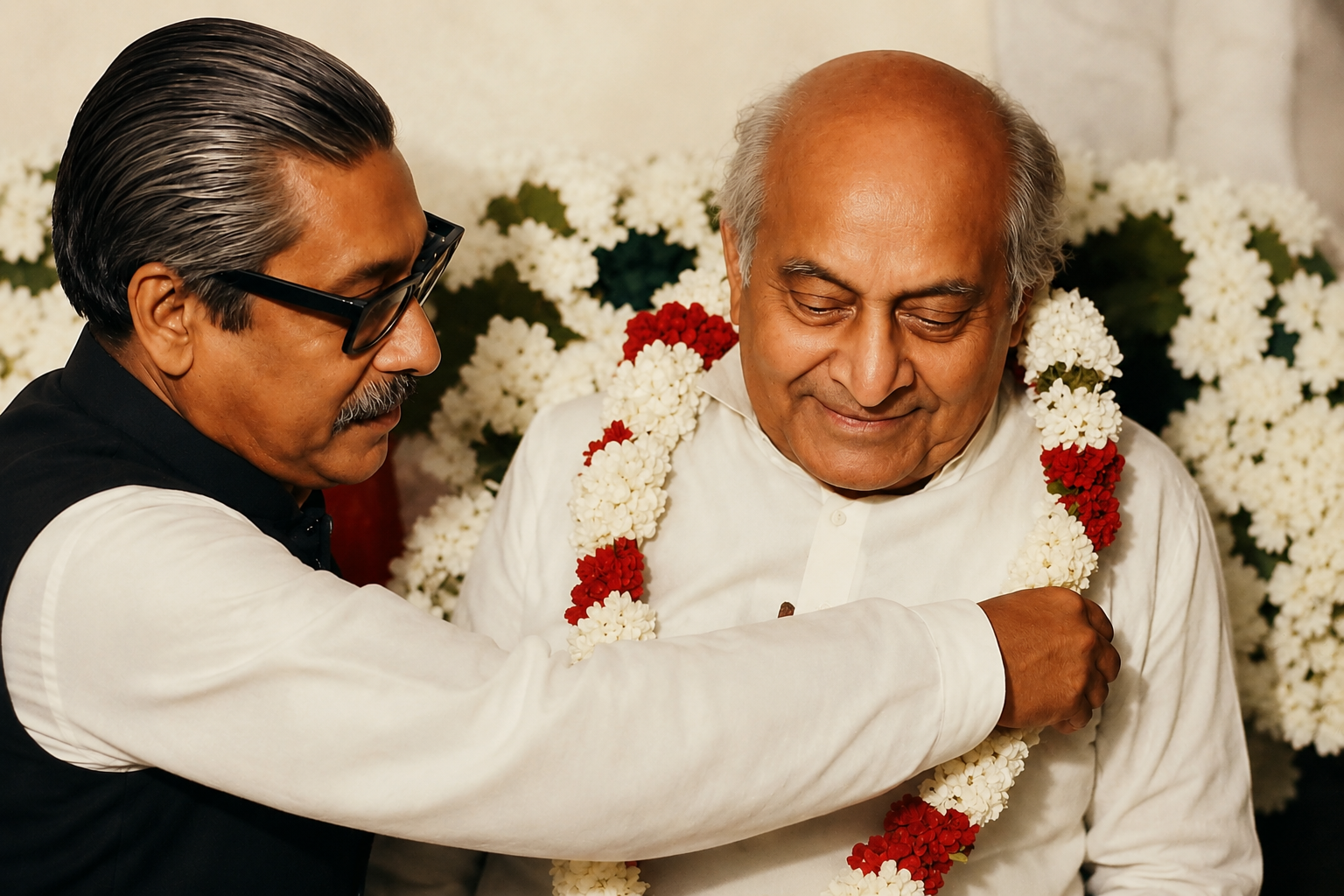
The final refuge of the Rebel Poet Kazi Nazrul Islam was Bangladesh and behind this historic chapter stood Sheikh Mujibur Rahman. As the architect of an independent Bangladesh, Bangabandhu not only built a new nation but also laid the foundation of its cultural identity. One of the most remarkable examples of this vision was his initiative to bring Nazrul to Bangladesh with full state honors.
Nazrul shared a deep emotional connection with the land that later became Bangladesh. Although he was born in Bardhaman, in present-day India, he frequently visited East Bengal throughout his life. He traveled to Dhaka, Cumilla, Chattogram, Barishal, Mymensingh, Sylhet, Rajshahi, and many other regions for literary events, political activities, and personal visits. In 1926, he even contested the Indian Legislative Assembly election from the Dhaka–Faridpur constituency. The people of Bengal embraced him with immense affection, especially in Cumilla, where Birajasundari Devi treated him with motherly love.
After independence, Bangabandhu Sheikh Mujibur Rahman envisioned a secular and culturally inclusive Bangladesh. He adopted songs of Rabindranath Tagore as the national anthem and recognized Nazrul’s songs as the nation’s marching spirit. Through this symbolic balance, Bangladesh established a cultural identity rooted in both Rabindranath and Nazrul.
Bangabandhu realized that Nazrul ,the poet who had once voiced the dream of freedom across the subcontinent — was living in neglect and isolation in West Bengal. Determined to honor him properly, Bangabandhu decided to bring the poet to Bangladesh and celebrate his 73rd birthday with state recognition. During his visit to Kolkata in February 1972, he discussed the matter with the Governor of West Bengal and later with Indian Prime Minister Indira Gandhi. Diplomatic efforts and formal communications soon followed.
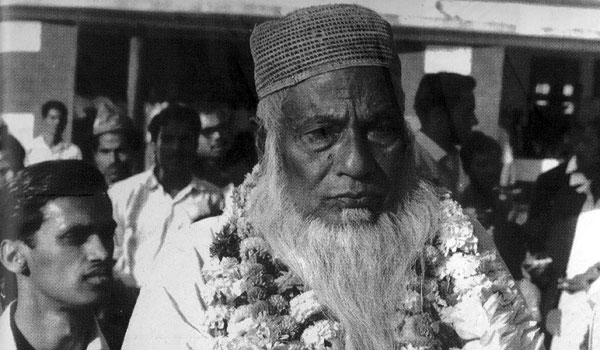
The responsibility of bringing Nazrul to Bangladesh was given to then minister Matiur Rahman and cultural figure Mustafa Sarwar. After extensive discussions and overcoming family disagreements, Nazrul finally arrived in Dhaka on May 24, 1972, aboard a special flight of Biman Bangladesh Airlines. Thousands of emotional admirers gathered at Tejgaon Airport to welcome the poet. The crowd became so overwhelming that authorities had to secretly escort him out through the rear door of the aircraft and transport him by ambulance to his residence in Dhanmondi.
Bangabandhu personally named the residence “Kobi Bhaban,” which later became the Nazrul Institute. Nazrul was received there with full state honor. Bangabandhu ensured every possible comfort for the poet and his family, even increasing his pension significantly. After a lifetime of financial hardship, Nazrul finally experienced dignity, stability, and national recognition in Dhaka.
The love of the people of Bangladesh for Nazrul continued to grow after his arrival. In 1974, University of Dhaka awarded him an honorary D.Lit degree. In 1976, the government decided to confer the Ekushey Padak upon him and officially granted him Bangladeshi citizenship before doing so.
On August 29, 1976, at the age of 77, Nazrul breathed his last at PG Hospital in Dhaka. Though the voice of the Rebel Poet fell silent, Bangladesh embraced him forever as its National Poet. Today, he rests beside the central mosque of the University of Dhaka in the land he deeply loved.
Nazrul’s permanent settlement in Bangladesh was more than the relocation of a poet; it symbolized the cultural soul of a newly independent nation. Through Bangabandhu’s foresight and deep respect for culture, Bangladesh became the final home of Kazi Nazrul Islam.