No woman has been executed in the history of Bangladesh
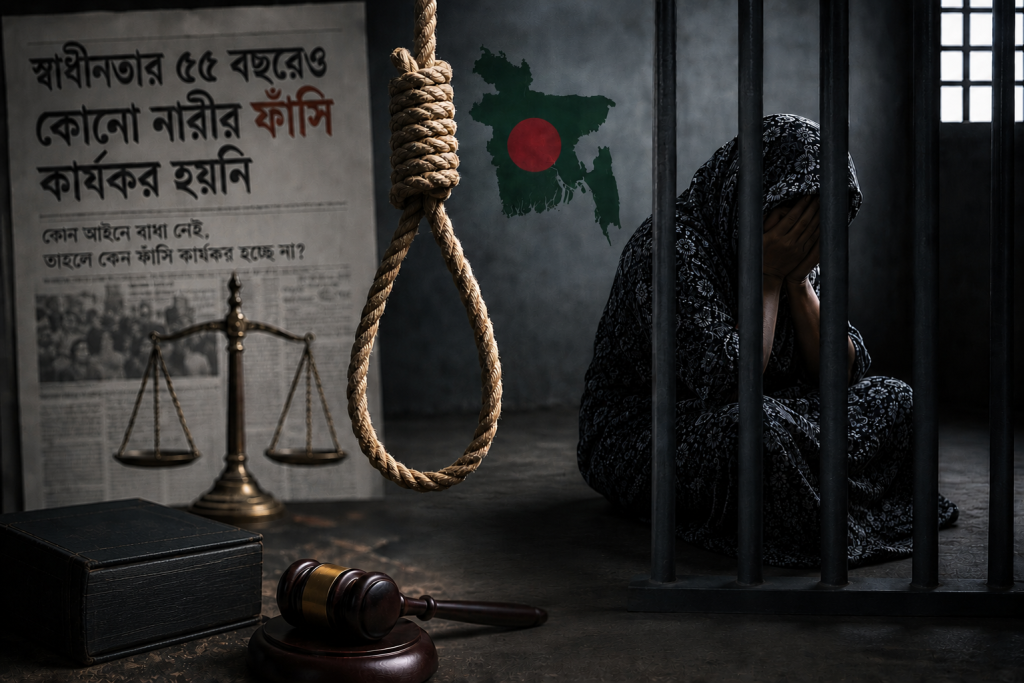
Throughout Bangladesh’s history, more than a hundred women have been sentenced to death for serious crimes. Many have spent years, sometimes decades, inside condemned cells, awaiting the outcome of appeals or a presidential clemency decision. Yet one remarkable fact remains unchanged: since the country’s independence in 1971, not a single woman has been executed in Bangladesh. This stands in stark contrast to the numerous male death-row inmates whose sentences have been carried out over the same period. The question, therefore, is unavoidable: Is there a legal barrier preventing the execution of women, or does the answer lie elsewhere within the country’s justice system? Legal Myth vs. Reality A common misconception persists among the public that Bangladeshi law does not permit the execution of women. Legal experts, however, say this belief is entirely unfounded. Under Bangladesh’s Penal Code and criminal justice system, men and women are subject to the same punishments. Courts may impose the death penalty on female defendants convicted of murder, terrorism, war crimes, or other capital offenses. In fact, numerous women have received death sentences over the years. The distinction lies not in the law itself, but in what happens after a death sentence is handed down. From Death Row to Life Imprisonment In Bangladesh, every death sentence issued by a lower court is automatically reviewed by the High Court Division. Convicted individuals also retain the right to appeal to the Appellate Division of the Supreme Court. It is during this lengthy judicial review process that many death sentences imposed on women are ultimately commuted to life imprisonment or imprisonment for the remainder of their natural lives. One of the most prominent examples is Oishee Rahman, who was sentenced to death in 2015 for the murder of her parents. The High Court later reduced her sentence to life imprisonment after considering factors such as her age, mental condition, personal circumstances, and subsequent surrender to authorities. Similarly, Sharifa Begum spent nearly 24 years under a death sentence before the Appellate Division commuted her punishment to life imprisonment in 2024. Legal practitioners note that courts often take into account social, familial, and humanitarian considerations when reviewing cases involving female defendants, factors that can significantly influence the outcome. The Long Road Through the Appeals Process Before a death sentence can be carried out in Bangladesh, a case must pass through several layers of judicial scrutiny. These generally include: High Court confirmation of the death sentence (Death Reference) Appeal before the Appellate Division Review petition Presidential clemency application Completing these stages can take anywhere from ten to twenty years or even longer. Research on Bangladesh’s death penalty system has found that the average time required for final disposal of death sentence cases often exceeds a decade. As a result, many condemned prisoners remain on death row for years without a final resolution. A notable example is Ayesha Siddika Minni, convicted in the widely publicized Rifat Sharif murder case. Since receiving a death sentence in 2020, she has remained at Kashimpur Women’s Central Jail while her appeal continues through the courts. For many female death-row inmates, the prolonged legal process itself has become a defining feature of their imprisonment. Death Row Inmates, But No Gallows Perhaps one of the most striking aspects of Bangladesh’s prison history is that the country’s largest women’s correctional facility, Kashimpur Women’s Central Jail, was reportedly built without a dedicated execution platform. Prison officials have previously indicated that, because no woman had ever been executed in independent Bangladesh, authorities did not consider such infrastructure a necessity when the facility was established. Today, a significant portion of the country’s female death-row population is housed within that same prison. How Many Women Are on Death Row? According to recent prison statistics, 96 women are currently among Bangladesh’s 2,594 condemned prisoners.(Kaler Kantho) The largest concentration of female death-row inmates is held at Kashimpur Women’s Central Jail in Gazipur. Most were convicted in cases involving murder, family disputes, child killings, or other serious criminal offenses. Several high-profile names have recently been added to the list. Swapna Swapna was sentenced to death in the widely discussed rape and murder case of child victim Ramisa in Savar. The verdict was delivered in what was described as one of the country’s fastest criminal trials. Sheikh Hasina Former Prime Minister Sheikh Hasina has also become one of the most prominent names on the list of female death-row convicts following a verdict delivered by the International Crimes Tribunal. What History Tells Us Archived prison records and media reports indicate that while hundreds of executions have been carried out in Bangladesh since independence, all of those executed have been men. Reports published over the years have consistently noted that although dozens of women were sentenced to death, none ultimately faced execution. As a result, Bangladesh continues to maintain a unique and largely overlooked record: for more than five decades, no woman has been sent to the gallows. Will the Record Be Broken? For now, the answer remains uncertain. On one hand, courts continue to impose death sentences on female offenders in cases deemed exceptionally grave. On the other hand, judicial review, lengthy appeals, humanitarian considerations, and evolving legal standards frequently result in those sentences being reduced or overturned before reaching the stage of execution. Consequently, the extraordinary record remains intact. Fifty-five years after independence, Bangladesh has never executed a woman. Whether that record survives the years ahead or eventually becomes history itself will depend on the decisions of the courts, the state, and the evolving direction of the country’s justice system.
বাংলাদেশের ইতিহাসে কোনো নারীর ফাঁসি কার্যকর হয়নি
বাংলাদেশের ইতিহাসে শতাধিক নারী আসামি মৃত্যুদণ্ডপ্রাপ্ত হয়েছে। তাদের অনেকেই বছরের পর বছর ধরে কনডেম সেলে বন্দি জীবন কাটাচ্ছেন, প্রতিদিন অপেক্ষা করছেন আদালতের চূড়ান্ত সিদ্ধান্ত কিংবা রাষ্ট্রপতির ক্ষমার রায়ের জন্য। কিন্তু বিস্ময়কর একটি বাস্তবতা হলো ১৯৭১ সালে স্বাধীনতার পর থেকে আজ পর্যন্ত বাংলাদেশের ইতিহাসে কোনো নারীর ফাঁসি কার্যকর হয়নি। অথচ একই সময়ে শত শত পুরুষ মৃত্যুদণ্ডপ্রাপ্ত আসামির সাজা কার্যকর হয়েছে। এই দীর্ঘ ৫৫ বছরের ব্যতিক্রমী ধারার পেছনে কি আইনি কোনো বাধা রয়েছে, নাকি বিচারব্যবস্থার অন্য কোনো বাস্তবতা কাজ করছে? আইনি মিথ বনাম বাস্তবতা সাধারণ মানুষের মধ্যে একটি প্রচলিত ধারণা রয়েছে যে বাংলাদেশের আইন হয়তো নারীদের মৃত্যুদণ্ড কার্যকর করার অনুমতি দেয় না। বাস্তবে ধারণাটি সম্পূর্ণ ভুল। বাংলাদেশের দণ্ডবিধি ও ফৌজদারি বিচারব্যবস্থায় নারী ও পুরুষের জন্য শাস্তির বিধান সমান। হত্যা, যুদ্ধাপরাধ, সন্ত্রাসবাদ বা অন্যান্য গুরুতর অপরাধে আদালত প্রয়োজন মনে করলে নারী আসামিকেও মৃত্যুদণ্ড দিতে পারে। বাস্তবেও বিভিন্ন সময়ে বহু নারীকে মৃত্যুদণ্ড দেওয়া হয়েছে। তবে রায় ঘোষণার পর শুরু হয় দীর্ঘ আইনি প্রক্রিয়া, আর সেখানেই বদলে যায় অধিকাংশ মামলার পরিণতি। মৃত্যুদণ্ড থেকে যাবজ্জীবন: উচ্চ আদালতের ভূমিকা বাংলাদেশে কোনো নিম্ন আদালত মৃত্যুদণ্ড দিলে তা স্বয়ংক্রিয়ভাবে হাইকোর্টে অনুমোদনের জন্য যায়। এরপর আপিল বিভাগে চ্যালেঞ্জ করার সুযোগ থাকে। এই দীর্ঘ বিচারিক পর্যালোচনায় বহু নারী আসামির মৃত্যুদণ্ড কমে যায় যাবজ্জীবন বা আমৃত্যু কারাদণ্ডে। সবচেয়ে আলোচিত উদাহরণ হলো ঐশী রহমান। ২০১৫ সালে নিজের বাবা-মাকে হত্যার দায়ে মৃত্যুদণ্ডপ্রাপ্ত হলেও পরবর্তীতে হাইকোর্ট তার সাজা কমিয়ে যাবজ্জীবন কারাদণ্ডে রূপান্তর করে। আদালত রায়ে তার বয়স, মানসিক অবস্থা, অপরাধ সংঘটনের প্রেক্ষাপট এবং আত্মসমর্পণের বিষয়গুলো বিবেচনায় নেয়। একইভাবে শরিফা বেগম প্রায় ২৪ বছর মৃত্যুদণ্ডপ্রাপ্ত অবস্থায় কারাগারে থাকার পর ২০২৪ সালে আপিল বিভাগে তার সাজা কমিয়ে যাবজ্জীবন করা হয়। আইনজীবীদের মতে, নারী আসামিদের ক্ষেত্রে আদালত প্রায়ই সামাজিক, পারিবারিক ও মানবিক প্রেক্ষাপটকে গুরুত্ব দিয়ে থাকে, যা অনেক সময় চূড়ান্ত শাস্তি পরিবর্তনে ভূমিকা রাখে। বছরের পর বছর ঝুলে থাকা আপিল বাংলাদেশে মৃত্যুদণ্ড কার্যকর করার আগে একাধিক স্তরের বিচারিক অনুমোদন প্রয়োজন। প্রক্রিয়াটি সাধারণত নিম্নোক্ত ধাপ অতিক্রম করে : হাইকোর্টে ডেথ রেফারেন্স শুনানি আপিল বিভাগে আপিল রিভিউ আবেদন রাষ্ট্রপতির কাছে প্রাণভিক্ষা এই প্রতিটি ধাপ সম্পন্ন হতে অনেক সময় ১০ থেকে ২০ বছরেরও বেশি সময় লেগে যায়। গবেষণায় দেখা গেছে, মৃত্যুদণ্ড সংক্রান্ত মামলার চূড়ান্ত নিষ্পত্তিতে গড়ে এক দশকেরও বেশি সময় লাগতে পারে। বরগুনার আলোচিত রিফাত শরীফ হত্যা মামলার দণ্ডপ্রাপ্ত আসামি আয়েশা সিদ্দিকা মিন্নি ২০২০ সাল থেকে কাশিমপুর মহিলা কেন্দ্রীয় কারাগারে রয়েছেন। তার আপিল এখনো বিচারাধীন। ফলে অনেক নারী বন্দি বছরের পর বছর কনডেম সেলে থাকলেও তাদের মামলার চূড়ান্ত নিষ্পত্তি হয় না। মৃত্যুদণ্ডপ্রাপ্ত নারী আছে, কিন্তু ফাঁসির মঞ্চ নেই বাংলাদেশের কারা ইতিহাসে সবচেয়ে বিস্ময়কর তথ্যগুলোর একটি হলো দেশের বৃহত্তম নারী কারাগার কাশিমপুর মহিলা কেন্দ্রীয় কারাগারে দীর্ঘদিন কোনো ফাঁসির মঞ্চ নির্মাণ করা হয়নি। কারা কর্মকর্তারা অতীতে জানিয়েছেন, স্বাধীনতার পর কোনো নারীর মৃত্যুদণ্ড কার্যকর না হওয়ায় কারাগার নির্মাণের সময় সেখানে আলাদা ফাঁসির মঞ্চের প্রয়োজনীয়তা বিবেচনা করা হয়নি। বর্তমানে মৃত্যুদণ্ডপ্রাপ্ত নারী বন্দিদের বড় অংশই এই কারাগারে রয়েছেন। কারাগারে কতজন নারী মৃত্যুদণ্ডপ্রাপ্ত? সাম্প্রতিক কারা পরিসংখ্যান অনুযায়ী, বাংলাদেশের বিভিন্ন কারাগারে মোট ২,৫৯৪ জন মৃত্যুদণ্ডপ্রাপ্ত বন্দির মধ্যে ৯৬ জন নারী (কালের কন্ঠ)। তাদের মধ্যে সবচেয়ে বেশি বন্দি গাজীপুরের কাশিমপুর মহিলা কেন্দ্রীয় কারাগারে। এই নারীদের অধিকাংশই হত্যা, পারিবারিক বিরোধ, শিশু হত্যা অথবা আলোচিত অপরাধমূলক মামলায় দণ্ডিত। সাম্প্রতিক সময়ে এ তালিকায় যুক্ত হয়েছে কয়েকটি বহুল আলোচিত নাম স্বপ্না সাভারের শিশু রামিসা ধর্ষণ ও হত্যা মামলায় দ্রুততম সময়ের বিচারে প্রধান আসামি সোহেল রানার সহযোগী স্বপ্নাকে মৃত্যুদণ্ড দেওয়া হয়েছে। শেখ হাসিনা আন্তর্জাতিক অপরাধ ট্রাইব্যুনালের রায়ের পর সাবেক প্রধানমন্ত্রী শেখ হাসিনার নামও মৃত্যুদণ্ডপ্রাপ্ত নারীদের আলোচিত তালিকায় যুক্ত হয়েছে। ইতিহাস কী বলে? কারা অধিদপ্তরের বিভিন্ন তথ্য এবং সংবাদপত্রের সংরক্ষিত প্রতিবেদনে দেখা যায়, স্বাধীনতার পর বাংলাদেশে শত শত মৃত্যুদণ্ড কার্যকর হলেও সেগুলোর সবই ছিল পুরুষ আসামির ক্ষেত্রে। ২০১০ সালে প্রকাশিত এক প্রতিবেদনে উল্লেখ করা হয়, স্বাধীনতার পর ৪০০-এর বেশি ব্যক্তির ফাঁসি কার্যকর হয়েছিল, কিন্তু মৃত্যুদণ্ডপ্রাপ্ত অন্তত কয়েক ডজন নারীর কারও সাজা কার্যকর হয়নি। ২০২৪ সালেও দেশের সর্বোচ্চ আদালতের এক রায়ে পুনরায় উল্লেখ করা হয় যে, বাংলাদেশের ইতিহাসে এখনো কোনো নারীর মৃত্যুদণ্ড কার্যকর হওয়ার নজির নেই। ভবিষ্যতে কি ভাঙবে এই ৫৫ বছরের রেকর্ড? প্রশ্নটি এখনো উন্মুক্ত। একদিকে আদালত নিয়মিতভাবে নারী আসামিদের মৃত্যুদণ্ড দিচ্ছেন। অন্যদিকে উচ্চ আদালতের পুনর্বিবেচনা, দীর্ঘ আপিল প্রক্রিয়া, মানবিক বিবেচনা এবং বিচারিক নজরদারির কারণে সেই রায়গুলোর বড় অংশই পরিবর্তিত হচ্ছে। ফলে স্বাধীন বাংলাদেশের ৫৫ বছরের ইতিহাসে যে ব্যতিক্রমী রেকর্ড তৈরি হয়েছে, “কোনো নারীর ফাঁসি কার্যকর হয়নি” তা এখনো অটুট রয়েছে। তবে বর্তমানে কনডেম সেলে থাকা প্রায় একশ নারী বন্দির ভাগ্যে শেষ পর্যন্ত কী অপেক্ষা করছে, সেই উত্তর ভবিষ্যতের আদালত ও রাষ্ট্রীয় সিদ্ধান্তই নির্ধারণ করবে।
তোফায়েল আহমেদ’র মত যারা ইতিহাস তৈরি করেন, তাদেরও একদিন মিশে যেতে হয় ইতিহাসে
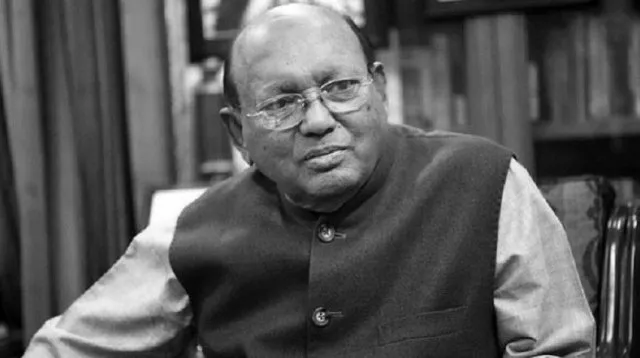
“ইতিহাস কোনো আকস্মিক ঘটনা নয়, ইতিহাস হলো যোগ্য মানুষের যোগ্যতম কর্মের সমষ্টি।” ১৯৬৯ সালের ২৩শে ফেব্রুয়ারি। রেসকোর্স ময়দানে লাখো জনতার গগনবিদারী স্লোগান। মাত্র ছাব্বিশ বছরের এক টগবগে তরুণ ছাত্রনেতা মঞ্চে দাঁড়িয়ে ডালিম কুমারী কণ্ঠে ঘোষণা করলেন এক যুগান্তকারী উপাধি – “বঙ্গবন্ধু”। সেই তরুণ আর কেউ নন, তিনি তোফায়েল আহমেদ। শেখ মুজিবুর রহমানকে ‘বঙ্গবন্ধু’ উপাধিতে ভূষিত করা সেই কণ্ঠটি আজ আজীবনের জন্য স্তব্ধ। ২০২৬ সালের ১লা জুন, ৮২ বছর বয়সে ঢাকার স্কয়ার হাসপাতালে শেষ নিঃশ্বাস ত্যাগ করেন বাংলাদেশের রাজনৈতিক ইতিহাসের অন্যতম প্রধান এই রূপকার। তাঁর প্রয়াণের মধ্য দিয়ে অবসান ঘটল ওয়ান-ম্যান আর্মির মতো দীর্ঘ পাঁচ দশকের এক দাপুটে রাজনৈতিক মহাকাব্যের। ১৯৪৩ সালের ২২শে অক্টোবর ভোলার কোড়ালিয়া গ্রামে জন্ম নেওয়া তোফায়েল আহমেদের রাজনৈতিক উত্থান শুরু হয়। ঢাকা বিশ্ববিদ্যালয়ের মৃত্তিকা বিজ্ঞান বিভাগের এই মেধাবী ছাত্র ১৯৬৭ থেকে ১৯৬৯ সাল পর্যন্ত ছিলেন ডাকসুর ভিপি। ঊনসত্তরের গণঅভ্যুত্থানের প্রধান নায়ক হিসেবে তিনি আইয়ুব খানের তখত কাঁপিয়ে দিয়েছিলেন। ১৯৭১ সালে যখন দেশ স্বাধীন করার চূড়ান্ত লড়াই শুরু হলো, তখন তোফায়েল আহমেদ আবির্ভূত হলেন যুদ্ধের অগ্রবর্তী সেনানি হিসেবে। বিখ্যাত রোমান কবি ওভিডের সেই উক্তিটি তাঁর সাথে মিলে যায়— “The mind, not the body, makes the champion.” তিনি কেবল মগজে নয়, শক্তিতেও ছিলেন চ্যাম্পিয়ন। মহান মুক্তিযুদ্ধের অন্যতম প্রধান চালিকাশক্তি ‘মুজিববাহিনী’র পশ্চিমাঞ্চলের প্রধান হিসেবে বরিশাল, খুলনা, ফরিদপুরসহ বিশাল অঞ্চলের দায়িত্ব কাঁধে তুলে নিয়েছিলেন তিনি। ১৯৭০ সালে মাত্র ২৭ বছর বয়সে প্রথমবার নৌকা প্রতীক নিয়ে পাকিস্তানের জাতীয় পরিষদের সদস্য হওয়া এই তরুণ পরে স্বাধীন বাংলাদেশের সংবিধান প্রণয়ন কমিটিতেও স্বাক্ষর করেছিলেন। বঙ্গবন্ধু শেখ মুজিবুর রহমানের রাজনৈতিক সচিব হিসেবে পঁচাত্তরের পূর্ব পর্যন্ত তোফায়েল আহমেদ ছিলেন ক্ষমতার কেন্দ্রবিন্দুতে। কিন্তু পঁচাত্তরের ট্র্যাজেডির পর তাঁর জীবন বদলে যায়। টানা ৩৩ মাস কারাবরণ এবং নির্মম নির্যাতনের মধ্য দিয়ে যেতে হয়েছে তাঁকে। ১৯৯৬ সালে আওয়ামী লীগ ক্ষমতায় ফিরলে তিনি শিল্প ও বাণিজ্যমন্ত্রীর দায়িত্ব পান। তবে ফরাসি দার্শনিক ভলতেয়ারের একটি বিখ্যাত উক্তি আছে— “রাজনীতিতে কোনো স্থায়ী বন্ধু বা শত্রু নেই।” ২০০৭ সালের সেনা-সমর্থিত সরকারের আমলে দলের ভেতরে নেতৃত্ব পরিবর্তনের পক্ষে মত দেওয়ায়, পরবর্তীতে দীর্ঘদিনের রাজনৈতিক সতীর্থ শেখ হাসিনার সাথে তাঁর এক অদৃশ্য দূরত্বের সৃষ্টি হয়। স্বাধীন বাংলাদেশে নৌকা প্রতীক নিয়ে ৯ বার সংসদ সদস্য নির্বাচিত হওয়া এবং ২০২৪ সালের জানুয়ারি পর্যন্ত এমপি থাকা সত্ত্বেও জীবনের শেষ এক দশকেরও বেশি সময় তিনি দলের রাজনীতিতে এক প্রকার কোণঠাসা ও অবহেলিত ছিলেন। ক্ষমতার চূড়া দেখা এই মানুষটি শেষ জীবনে এসে তীব্র এক হতাশা ও একাকীত্বে ভুগেছেন, যদিও মৃত্যুর আগ পর্যন্ত তিনি মুজিবের আদর্শ থেকে এক চুলও বিচ্যুত হননি। রাজনীতির উত্তাল সমুদ্রের মাঝে তোফায়েল আহমেদের পারিবারিক জীবনটি ছিল শান্ত এক দ্বীপের মতো। ১৯৬৪ সালে তিনি দনিয়ার আলহাজ্ব মফিজুল হক তালুকদারের জ্যেষ্ঠ কন্যা আনোয়ারা বেগমের সঙ্গে বিবাহবন্ধনে আবদ্ধ হন। দীর্ঘ ছয় দশকের সুখের দাম্পত্য জীবনের পর, ২০২৫ সালে আনোয়ারা বেগম পরলোকগমন করেন, যা তোফায়েল আহমেদকে মানসিকভাবে বেশ ভেঙে ফেলেছিল। এই দম্পতির একমাত্র কন্যাসন্তান তাসলিমা আহমেদ জামান মুন্নী পেশায় একজন চিকিৎসক। তাঁর জামাতা তৌহিদুজ্জামান তুহিনও স্কয়ার হাসপাতালের একজন খ্যাতনামা কার্ডিওলজিস্ট। তবে তোফায়েল আহমেদের পারিবারিক জীবনের সবচেয়ে আবেগময় অধ্যায়টি জড়িয়ে আছে তাঁর দত্তক নেওয়া পুত্র মাইনুল হোসেন বিপ্লবের সাথে। বড় ভাইয়ের মৃত্যুর পর তাঁর ছোট ছেলে বিপ্লবকে নিজের সন্তানের চেয়েও বেশি স্নেহে আগলে রেখেছিলেন তিনি, সবখানে পরিচয় করিয়ে দিতেন নিজের পুত্র হিসেবেই। রাজনীতিহীন বড় ভাইয়ের আকস্মিক রাজনৈতিক হত্যাকাণ্ডের পেছনে তোফায়েল আহমেদ সবসময় নিজের রাজনৈতিক ব্যস্ততা ও অংশগ্রহণকে দায়ী করে এক তীব্র অপরাধবোধে (Guilt) ভুগতেন। আর সেই অনুশোচনা থেকেই ভাইয়ের সন্তানকে নিজের চেয়েও বেশি ভালোবাসা দিয়েছিলেন তিনি। চাঁদেরও যেমন কলঙ্ক থাকে, তোফায়েল আহমেদের দীর্ঘ রাজনৈতিক জীবনেও কিছু অন্ধকার অধ্যায় ছায়া ফেলেছিল। ১৯৬৯ সালের আগস্টে শিক্ষা কমিশন নিয়ে আলোচনার সূত্র ধরে ইসলামী ছাত্রনেতা আব্দুল মালেকের ওপর তাঁর নেতৃত্বে হওয়া হামলার ঘটনাটি বাংলাদেশের ছাত্ররাজনীতির ইতিহাসে এক কালো অধ্যায় হিসেবে চিহ্নিত হয়ে আছে, যার ফলশ্রুতিতে আব্দুল মালেক মারা যান। রাজনীতির পটপরিবর্তনের পর জীবনের শেষপ্রান্তে এসে এই বর্ষীয়ান নেতাকে আইনি লড়াইয়ের মুখোমুখিও হতে হয়। ক্ষমতার অপব্যবহার করে অবৈধভাবে অর্থ আত্মসাতের অভিযোগে তাঁর বিরুদ্ধে ২০২৬ সালের মে মাসেই অভিযোগ গঠন করে আদালত। জীবনের শেষ দিনগুলোতে যখন শরীর বার্ধক্যজনিত নানাবিধ রোগে জীর্ণ, তখন আদালতের কাঠগড়া আর আইনি নোটিশ তাঁর ট্র্যাজেডিকে আরও ঘনীভূত করেছিল। আমেরিকান কবি রবার্ট ফ্রস্টের সেই বিখ্যাত লাইনটি মনে পড়ে— “The woods are lovely, dark and deep, but I have promises to keep…” তোফায়েল আহমেদেরও কিছু অপূর্ণ প্রতিশ্রুতি বা শেষ ইচ্ছা ছিল—ভোলা-বরিশাল সেতু নির্মাণ, ভোলায় একটি পাবলিক বিশ্ববিদ্যালয় ও আন্তর্জাতিক মানের ক্রিকেট স্টেডিয়াম গড়ে তোলা। ২০২৬ সালের ১লা জুন সব ইচ্ছার অবসান ঘটিয়ে তিনি পাড়ি জমালেন না-ফেরার দেশে। তিনি এমন এক রাজনৈতিক প্রজন্মের প্রতিনিধি ছিলেন, যারা ইতিহাস পড়ার থেকে, ইতিহাস তৈরি করেছেন বেশি।
The Coding Revolution: Is AI Making Students Smarter or Lazier?
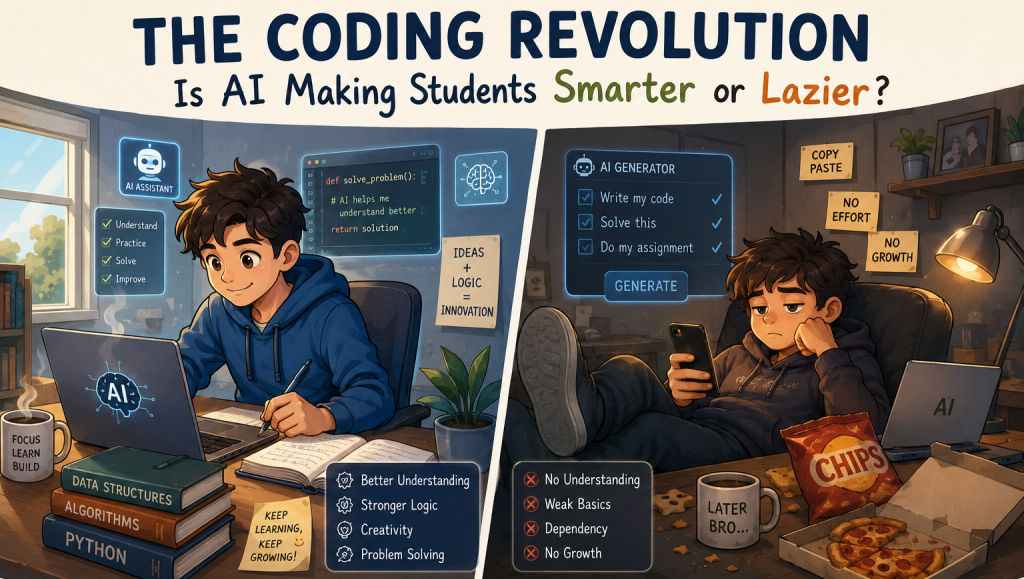
Imagine typing thousands of lines of computer code, pressing enter, and watching the whole screen crash because of one missing dot. For decades, learning computer science was a painful nightmare. Students spent sleepless nights crying over a single syntax error. But today? That nightmare is dead. Now, an eight-year-old child can tell an AI, “Build me a video game about a flying astronaut,” and it appears instantly. Why am I writing about this? AI in education is the hottest topic in the market right now. Everyone is talking about it, and everyone wants to know: Is AI creating tech geniuses, or is it making students completely lazy? Elementary School: Learning Without the Stress In primary schools, learning about computers used to be a bit boring. Kids just dragged colorful blocks around a screen to move a digital cat. Today, kids just talk to the AI like a friend. They ask for a feature, and the AI builds it instantly. The AI then explains the logic behind it. This allows little kids to focus entirely on creativity and big ideas instead of getting stuck on frustrating technical rules. High School: A 24/7 Coding Tutor High school is where students start typing real text languages like Python or Java. In the past, this is where most students got confused, lost confidence, and quit. Now, AI acts as a patient, always-available helper. When a teenager writes broken code, the AI does not just say “Error.” It looks at the mistake and gently explains, “Hey, you forgot a small part here. Don’t worry, here is how you fix it. “It keeps students excited instead of frustrated. Higher Education: Trading Typing for Thinking At the university level, the change is massive. In the old days, college students spent weeks writing basic, repetitive lines of code from scratch. But today, AI can write that basic code in two seconds. Because of this, professors are completely changing how they teach. Students are no longer graded on how fast they can type code. Instead, they are graded on how well they can check the AI’s work, find bugs, and connect giant software systems together. Why AI is an Amazing Tool? Super Fast Learning: Students do not get stuck for hours on a single mistake. They get instant feedback and keep moving forward. Personalized Help: The AI acts like a private tutor that perfectly matches the student’s speed. It gives easier hints to struggling students and harder challenges to advanced students. No More Busywork: AI handles the boring parts of coding, allowing students to focus on the big picture and build cooler projects faster. The Risks We Must Avoid The “Lazy Brain” Danger: If the AI does all the heavy lifting, students will stop thinking for themselves. If you never struggle with a hard problem, your brain muscles will never grow. AI Mistakes: AI tools sound very confident, but they can be completely wrong. If students blindly trust the AI without checking the facts, they will learn incorrect information. Massive Cheating: Teachers are heavily struggling with plagiarism. Since AI can write perfect assignments instantly, it is becoming very hard to know if a student actually understands the lesson. AI will not replace human programmers. But programmers who know how to use AI will replace the ones who don’t. The goal of computer science education today is no longer to teach humans to type like a machine, but to teach them how to lead the machine.
FROM WASTE TO WELFARE: How Gausia Committee Changed Qurbani Hide Management in Bangladesh
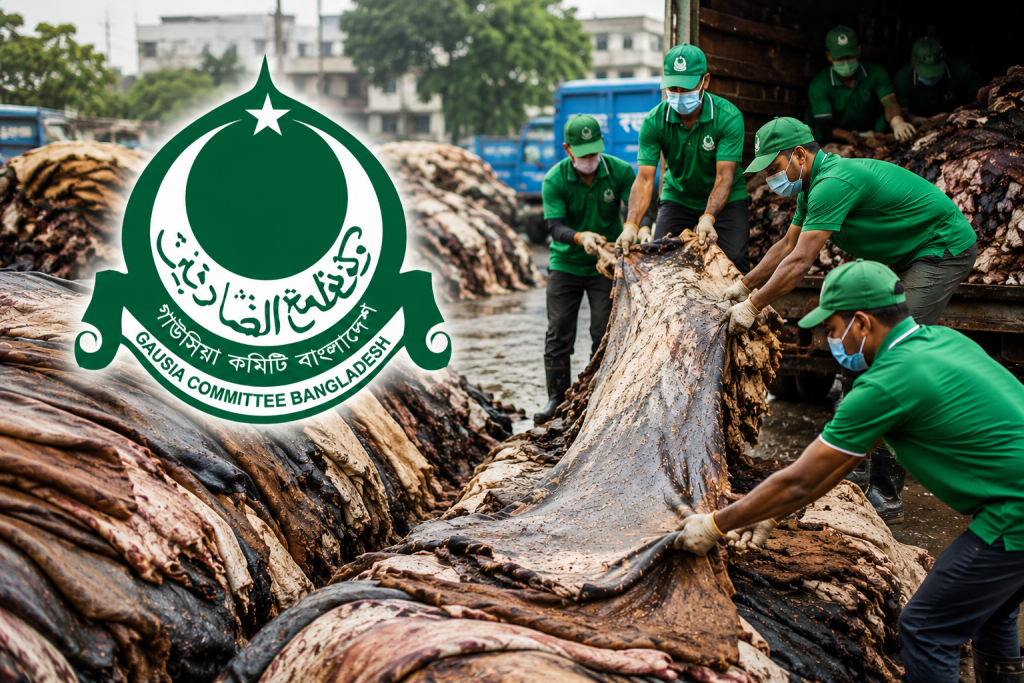
Eid-ul-Azha has barely ended, and gone are the days when sacrificial animal hides would lie rotting on the streets and in dustbins. Many people, out of frustration, would simply throw them away. But that picture has changed significantly now. Hides are no longer wasted. Instead, they have become a major source of support for orphans, madrasa students, and poor families. What was the situation like before? Just a few years ago, the collection of hides was in a very poor state. Young boys from the neighborhood would roam around all day in the scorching sun and sell hides for only 50-100 Taka. Due to the manipulation of syndicates, they wouldn’t get a fair price, so many would angrily throw the hides onto the streets. As a result, the country’s resources were wasted on one hand, and orphanages and madrasas were deprived of their rightful income on the other. Who changed the picture? A positive change began in 2022. The non-political volunteer organization Gausia Committee Bangladesh took this initiative into their own hands. They have significantly reduced the dominance of the leather syndicates and have organized a proper system for the collection, transportation, and preservation of hides. Every Eid, they preserve hundreds of thousands of hides at the field of Jameya Ahmadiya Sunnia Alia Kamil Madrasa in Chattogram. Not just in Chattogram, but across the country, more than 250 madrasas and educational institutions are now benefiting from the income generated by these hides. 7,000 volunteers are working tirelessly Every Eid, around seven thousand volunteers from the Gausia Committee take to the field. They collect the hides, transport them to the right places, and preserve them properly. Because of their dedication, the wastage of hides has decreased significantly, and prices have also become somewhat stable. What changes have taken place? The most noticeable change is that hides are no longer wasted like before. The scenes of hides lying on the streets or being thrown into dustbins have become rare. Due to organized collection, almost all hides now reach the right destinations and are being preserved as national resources. Along with this, there has been a real positive impact on the lives of orphans and poor students. Madrasas and orphanages, which previously received only nominal amounts, now earn significantly more from the sale of hides. More than 250 institutions across the country are directly benefiting from this income, which plays a major role in meeting their needs for food, educational materials, and other essentials. There is now clear discipline in leather management. The monopoly of syndicates has been greatly reduced. Since volunteers collect hides directly from the field, the influence of dishonest middlemen has diminished. As a result, hide prices have become somewhat stable, and the entire system is no longer as chaotic as before. The most beautiful change has occurred in people’s minds. Those who once threw away hides in frustration now hand them over with peace of mind. They know that their sacrificial hides are truly being used for orphans and poor students. This brings them spiritual satisfaction along with fulfilling their religious duty. In this way, the initiative of the Gausia Committee is gradually transforming a religious festival into a meaningful social movement. The management of sacrificial hides is no longer just a religious matter. It has become a beautiful social responsibility. The silent and dedicated work of the Gausia Committee volunteers truly deserves praise.
Mystery “Crypto Phone” Spotted in Prime Minister Tarek Rahman’s Hand Sparks Massive Online Buzz

Attention! Those who still haven’t fastened their seatbelts, please do so immediately. Because today, we are going to talk about a device that has created a huge buzz across the internet. This is not an ordinary phone. It is reportedly the same device seen in the hands of the Honorable Prime Minister of Bangladesh, Mr. Tarique Rahman, inside his car! Since then, curiosity among people has been endless. Online, countless news reports have been circulating, and many people are eager to know what exactly is this phone like? Below, we will uncover every single detail of this mysterious and unique device in a clear and detailed way. Unboxing and First Impression The Sirin Labs Finney is not a new phone. The discussion around this device first started around 2017, and it was officially launched in late 2018. However, even in 2026, it still appears in a brand-new, premium-looking box that instantly grabs attention. Box Design: Unlike regular smartphone boxes, which are usually slim and minimal, this one is noticeably large and wide. The box features a stunning black and grey color combination with “Sirin Labs Finney” written on top. It is known as the world’s first blockchain smartphone. Inside Surprise: Right after opening the box, you are greeted with a coin-like circular design that resembles a Bitcoin, instantly giving a strong crypto vibe. Removing it reveals the main phone underneath. Box Contents: Below the phone, you will find the user manual and warranty card. Unique Charger: The charger included is quite unusual and eye-catching. It has a square-shaped design, and the pins can be folded neatly inside it. Global Socket System: On another side of the box, there is a thoughtful addition. Different socket adapters are included for various countries around the world. This means no matter where you buy or use it, charging won’t be an issue. Cable Quality: A Type-C to Type-C cable is provided with a very premium build quality. Considering it was introduced around late 2018, having a C-to-C cable at that time was quite advanced and impressive. When Lionel Messi Was the Brand Ambassador! In 2018, when Sirin Labs launched their “Finney” model in the market, it received massive global attention. The reason was its completely different concept compared to regular smartphones. At that time, people in Bangladesh were not very familiar with it. However, recently, after the device was seen in the hands of the country’s Prime Minister, interest has increased again. It feels like the phone has come back into the spotlight, almost as if it is ruling once again just like it did in 2018! Here’s a fascinating fact this Finney smartphone from Sirin Labs had none other than football legend Lionel Messi as its global brand ambassador! Yes, during that time, Messi himself promoted and represented this phone, adding huge international hype to the brand. Why This Phone Is So Special? Now the big question naturally comes up why is this device so special? And why are people calling it the world’s first cryptocurrency smartphone? The reason behind its attention is its unique focus on security. The device is designed in a way that puts privacy and data protection at a much higher level compared to regular Android phones or even iPhones. Most smartphones today store everything in a connected environment, but this device was built with a different philosophy. It keeps personal data, files, and browsing activity in a highly secured environment, making it extremely difficult to access without authorization. However, the biggest attraction of this phone is its hidden display system and built-in cold storage wallet feature. A cold storage wallet means your cryptocurrency assets are stored offline, away from internet exposure. This reduces the risk of hacking significantly, since online attacks cannot easily reach offline storage. That is why the phone earned the reputation of being the “world’s first blockchain smartphone,” developed around the idea of combining security with crypto management in one device. Special Feature of the Cold Wallet The most unique part of the phone is its cold wallet system. On the upper section of the back panel, there is a sliding mechanism. When you slide it upward, a hidden display appears. As soon as it activates, the screen shows the message “Warming Up”. This is not just a normal display it is a fully functional touchscreen. You can interact with it directly using your finger to perform cryptocurrency transactions. The most impressive part is that you don’t need any third-party apps. Through this built-in system, users can send and receive cryptocurrencies like Bitcoin, Ethereum, and others directly from the device. This combination of a hidden physical interface and built-in crypto wallet is what makes the phone stand out as a truly unique blockchain-focused smartphone. Can the Cold Wallet Be Hacked? Many people assume that when the slider is pushed inside, the camera and microphone are completely turned off. Some media reports have also suggested this idea. However, the real concept is a bit different. The key technology is that the hidden wallet display is designed to operate in a more isolated environment compared to the main phone system. In simple terms, it reduces exposure to the main operating system and online connectivity when activated or separated via its hardware mechanism. However, one important point needs to be clarified: it is not accurate to say it is completely disconnected from all hardware systems or impossible to compromise under any condition. In real-world cybersecurity, no device is 100% unhackable. Even advanced systems can have risks depending on firmware vulnerabilities, physical access attacks, supply chain issues, or implementation flaws. What makes this system strong is that it is designed with a reduced attack surface meaning the cold wallet environment is more isolated than normal apps and internet-connected storage. This significantly improves security, especially for storing and handling cryptocurrencies like Bitcoin and Ethereum. This balance between usability and isolation is what makes the device interesting in the blockchain smartphone category. Design Language and Build Quality Unlike the curved