Brazil’s World Cup Nightmare: The Biggest Threats Before 2026

Ever since Brazil announced their final 26-man squad for the 2026 FIFA World Cup, intense debate has erupted across the football world. Although the squad still features global superstars such as , , and , many football analysts believe that Brazil’s dream of lifting a historic sixth World Cup trophy faces serious challenges once again. Questions surrounding the squad’s balance, aging core, tactical limitations, and lack of depth in certain areas have raised doubts about whether the South American giants can truly compete with Europe’s modern football powerhouses. The biggest concern revolves around the fitness of Neymar Jr., Brazil’s most experienced attacking player and emotional leader. After spending long periods sidelined due to injuries over the last few years, the 34-year-old forward remains a major uncertainty heading into the tournament. Brazil’s attacking structure still appears heavily dependent on Neymar’s creativity, vision, and ability to unlock defenses in high-pressure matches. If he is unable to maintain full fitness throughout the knockout stages—or suffers another injury setback—the team could struggle to maintain rhythm and attacking fluidity against elite opposition. Defensively, Brazil also faces growing concerns, particularly in the fullback positions. While center-backs such as , , and provide stability and physical presence in central defense, the modern game increasingly relies on dynamic and fast fullbacks who can contribute both offensively and defensively. Veteran defenders and bring valuable experience, but age has noticeably affected their pace and recovery speed. Against Europe’s explosive wingers and rapid counter-attacking systems, Brazil’s fullbacks may find themselves exposed in one-on-one situations. The midfield is another area where concerns have become increasingly visible. Experienced defensive midfielders and have been among the world’s best in their roles for years, but both are now entering the later stages of their careers. Maintaining the physical intensity required for modern pressing football over the course of an entire World Cup campaign may prove difficult. Furthermore, Brazil appears to lack a traditional deep-lying playmaker capable of controlling the tempo of matches with precise passing and creative vision from midfield. Against tactically disciplined European sides, losing control of midfield battles could become a decisive weakness.In attack, Brazil still possesses extraordinary individual talent. Players like , , and have been performing at a world-class level in European competitions and are capable of changing matches with moments of brilliance. However, beyond those established stars, much of Brazil’s attacking depth remains relatively inexperienced at the international level. Young talents such as , , and undoubtedly possess enormous potential, but the pressure of performing on football’s biggest stage is entirely different from club football. Meanwhile, striker has occasionally struggled with consistency in front of goal, raising concerns about Brazil’s ability to convert chances in crucial knockout matches. At the same time, European nations such as , , , and currently appear more advanced in terms of tactical structure, squad depth, athleticism, and overall team chemistry. Modern international football increasingly rewards collective organization, coordinated pressing systems, and positional discipline rather than relying solely on individual brilliance. Brazil’s traditional flair and technical creativity remain dangerous, but unless they can transform those qualities into a cohesive tactical unit, they may once again struggle against Europe’s highly organized football systems. Ultimately, Brazil still has enough star power to defeat any opponent on their day. The explosive pace of Vinícius Júnior, Neymar’s creativity, and the fearless energy of young talents like Endrick could produce moments capable of deciding matches instantly. However, the combination of an aging midfield, vulnerabilities at fullback, tactical uncertainty, and concerns surrounding Neymar’s fitness means Brazil’s road to World Cup glory in 2026 is far from smooth. Unless Brazil can evolve into a more tactically disciplined and balanced side while maintaining their traditional attacking identity, football experts believe the Seleção may once again fall short of winning the elusive “Hexa” and face another painful World Cup disappointment.
How K-Pop Built a Multi-Billion-Dollar Global Economy Beyond Music
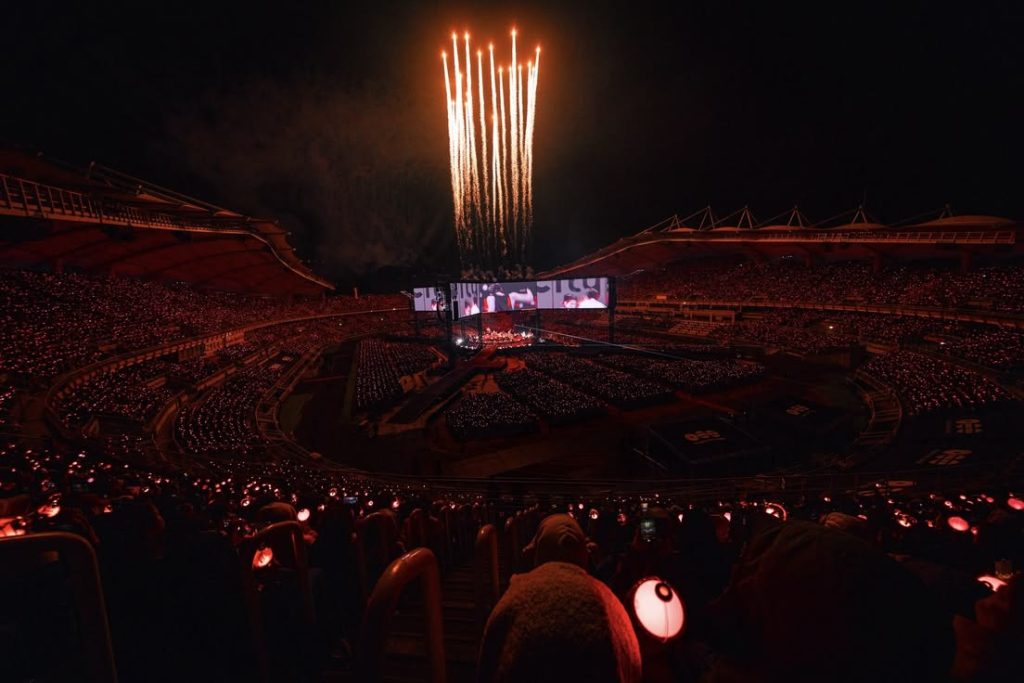
Back in 2012, it would be almost unbelievable to say that someone hadn’t heard at least a couple of lines or the music of PSY’s “Gangnam Style.” The song was played everywhere—from wedding ceremonies to parties across the country. However, many people had little or no idea about the singer, the language, or the origin of the song. At that time, K-pop or even Korean pop culture was not widely known or popular outside South Asia or even in many parts of the world. But within just 10–15 years, K-pop has become a global trending phenomenon. It stands as a powerful example of how the entertainment industry of a country can transform its economic future, and South Korea is a perfect illustration of this remarkable change. The modern journey of K-pop began in 1992, when Seo Taiji and Boys introduced a new wave in the Korean music industry. They blended hip-hop, rap, and modern dance in a way that had never been done before, creating a fresh and experimental sound. This marked the foundation of what would later develop into K-pop as we know it today. Over time, the industry gradually expanded and became more structured with the rise of powerful entertainment companies such as SM Entertainment, JYP Entertainment, and YG Entertainment. These agencies developed the “idol training system,” where aspiring artists undergo long-term, rigorous training in singing, dancing, language skills, and overall performance. This system eventually shaped the distinctive “idol culture” of K-pop, which is now a defining feature of the industry. K-pop has been divided into several generations over time. The period from 1992 to 2002 is considered the first generation of K-pop, marking the beginning of the industry. During this time, K-pop started to take shape but remained mostly within South Korea’s domestic market. The second generation (2003–2011) was a turning point when K-pop began to grow significantly, with the emergence of major idol groups such as TVXQ, Super Junior, BIGBANG, Girls’ Generation, SHINee, 2NE1, Wonder Girls, and KARA. These groups not only gained popularity in Korea but also started making an impact in international markets like Japan and China. Remarkably, many of these groups are still remembered and loved today. The third generation (2012–2017) brought some of the biggest global K-pop acts, including BTS, EXO, BLACKPINK, TWICE, SEVENTEEN, Red Velvet, and GOT7. This era is often seen as a breakthrough, as these groups achieved worldwide recognition that exceeded expectations and pushed K-pop into the global mainstream. From 2018 to 2022, the fourth generation saw K-pop reach even greater global popularity. Groups like BTS, BLACKPINK, and EXO became dominant names in the global entertainment industry, even influencing the American music market in ways that were once considered unlikely. This period is often described as the golden era of K-pop’s global expansion. From 2023 to the present, the fifth generation is currently underway. New groups are continuously debuting, some quickly rising to major success while others struggle to survive in the highly competitive industry. However, the spread of the Hallyu or Korean Wave has not slowed down—in fact, it continues to grow stronger and expand globally.
Bangladeshi Cinema: Crisis, Decline, and the Hope for Revival

Cinema is one of the most powerful branches of art, where literature, music, acting, painting, lighting, and technology merge into a single creative expression. This unique combination is why cinema is often described as “larger than life.” Through light and shadow, films possess the extraordinary ability to reflect human emotions, society, love, suffering, resistance, and dreams in ways few other art forms can achieve. Making a film is not simply a matter of money; it requires creativity, sensitivity, and the collective effort of many talented individuals. A successful film depends on a visionary director, a thoughtful storyteller, skilled actors, and dedicated technicians. While audiences only see the performers on screen, countless people work tirelessly behind the scenes to bring a story to life. There was a time when Bengali cinema reflected the realities of society and human life. Films inspired people to think, protest, dream, and empathize. Each film felt like a school of thought or a living library. However, when comparing the cinema of post-independence Bangladesh with much of today’s mainstream industry, disappointment becomes unavoidable. Excessive violence, unrealistic fight scenes, bloodshed, and distorted portrayals of love and conflict have become common in many films. Such trends not only weaken artistic quality but also negatively affect social and cultural values. Since the 1990s, Bangladeshi cinema has gradually lost audiences due to obscenity, poor storytelling, and declining artistic standards. Yet Bengali cinema once achieved global recognition through legendary filmmakers such as Satyajit Ray, Ritwik Ghatak, Mrinal Sen, and Goutam Ghose. Bangladesh itself also produced remarkable filmmakers like Khan Ataur Rahman, Zahir Raihan, Alamgir Kabir, and Subhash Dutta, who treated cinema as a meaningful form of artistic and social expression. Today, the Bangladeshi film industry faces multiple crises. Even conflicts surrounding artists’ associations have reached the courts, reflecting deep divisions within the cultural sphere. If artists themselves fail to uphold artistic integrity and moral responsibility, audiences naturally lose trust in the films they create. One of the major reasons behind the decline of Bangladeshi cinema is the growing influence of black money and profit-driven producers. Many producers prioritize commercial success over artistic excellence, turning films into mere business products. At the same time, ethical decline among some film personalities has disappointed audiences who once admired them as cultural icons. Despite these challenges, hope for revival still exists. Filmmakers such as Tareque Masud and Humayun Ahmed once attempted to bring new life to Bangladeshi cinema. Films like Matir Moina, Muktir Gaan, and Aguner Poroshmoni proved that meaningful, artistic cinema could also achieve popular success. In recent years, a new generation of educated and creative young filmmakers has emerged. Many of their works have received appreciation both nationally and internationally. Films such as Nonajoler Kabbo demonstrate that cinema can still succeed artistically and commercially at the same time. Cinema is not merely a source of entertainment; it is also a powerful tool for social transformation. If filmmakers are not inspired by society, politics, culture, and the realities of ordinary people, cinema loses its purpose and becomes nothing more than a commercial product. In a country like Bangladesh, with a massive population and rich cultural heritage, there is enormous potential for creating meaningful and globally respected films. What is needed is sincerity, artistic vision, and the leadership of genuine film lovers. Bangladeshi cinema is undoubtedly passing through a difficult period, but decline does not have to be permanent. If the industry can free itself from obscenity, poor-quality productions, and the influence of unethical business interests, Bengali cinema can once again reclaim its lost glory. Cinema can become a powerful cultural weapon against ignorance, extremism, and social decay. The revival of meaningful cinema may ultimately help shape a more thoughtful, humane, and enlightened society.
Maulana Bhashani: The Voice of the Oppressed and a Forgotten Architect of Bangladesh’s Freedom
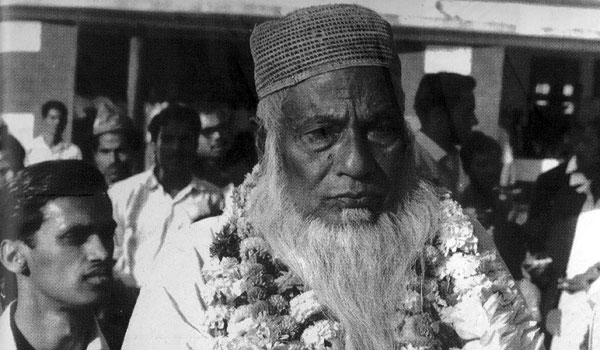
Maulana Abdul Hamid Khan Bhashani was one of the most influential political leaders in the history of the Indian subcontinent. Known as the “Leader of the Oppressed” (Majlum Jananeta), he dedicated his entire life to fighting injustice, inequality, and exploitation. Born in 1880 in Dhangara village of Sirajganj district, Bhashani received only limited formal education in schools and madrasas. His professional life began in 1909 as a teacher at Kagmari School in Tangail. Later, he received political inspiration from renowned anti-British nationalist leader Chittaranjan Das. Bhashani entered politics not for personal gain or family legacy, but to serve ordinary people. Throughout his life, he stood beside farmers, laborers, and marginalized communities. During the 1950s, he had already realized that East Bengal could never achieve true freedom and justice within the political structure of Pakistan. His political foresight was later proven correct by history. One of the most significant events of his political career was the historic Long March toward the Farakka Barrage on May 16, 1976. Bhashani believed that the Farakka Barrage would severely damage the rivers, agriculture, and environment of Bangladesh. In protest, he organized a mass movement and led thousands of people in resistance. His fearless leadership made him even more respected among the common people. Maulana Bhashani also played a crucial role in Bangladesh’s independence movement and Liberation War. Alongside Sheikh Mujibur Rahman, he was one of the strongest voices advocating for the freedom of East Pakistan. On March 9, 1971, at Paltan Maidan in Dhaka, he delivered a historic speech urging the people to prepare for armed resistance. From January until March 25, he traveled across the country, inspiring people to join the struggle for independence. After the Liberation War began, the Pakistani military attempted to arrest or assassinate him. They reportedly referred to him as “Kafir Bhashani” while searching for him. Unable to find him, Pakistani forces burned down his house. Eventually, Bhashani managed to escape to India through various secret routes and strategies. Upon arriving in India, his appeal for support for Bangladesh’s freedom struggle received wide attention in Indian newspapers. He actively sought international support for Bangladesh by sending letters and telegrams to the United Nations, leaders of Muslim countries, democratic governments, and world leaders. He strongly protested against the support given to Pakistan by China and the United States, openly criticizing their role during the war. Throughout the Liberation War, Maulana Bhashani traveled across different parts of India while continuing diplomatic efforts for Bangladesh. Using his international influence, he appealed to governments around the world, including the Soviet Union, China, and members of the United Nations, to support the Bengali people. During the time when Sheikh Mujibur Rahman was imprisoned in Pakistan, Bhashani also served as the chairman of the all-party advisory committee that assisted in guiding the Liberation War effort. Even after Bangladesh achieved independence on December 16, 1971, Maulana Bhashani did not immediately return home. He came back to Bangladesh on January 22, 1972 — twelve days after Sheikh Mujibur Rahman returned from Pakistani imprisonment. Upon his return, his first major demand was the withdrawal of Indian troops from Bangladeshi soil, demonstrating his strong commitment to national sovereignty and independence. Bhashani was widely respected for his courage and straightforward political stance. During the political deadlock of 1971, while negotiations over the transfer of power were ongoing, he famously advised Sheikh Mujibur Rahman by saying, “Nothing will come from discussions; just say goodbye to them.” This statement reflected his deep distrust of the Pakistani ruling establishment and his clear understanding of the political reality. He also maintained an important relationship with Indian Prime Minister Indira Gandhi. While expressing gratitude for India’s support during the Liberation War and for sheltering millions of refugees, he simultaneously emphasized the importance of recognizing Bangladesh’s independence. One of his memorable statements was: “I want India’s support and cooperation, but I do not want to become dependent on them.” Maulana Bhashani lived until the age of 96. He died at PG Hospital in Dhaka and was buried in Tangail. He was one of the founders of Awami League, yet over time, his immense contribution to Bangladesh’s political history has often been overlooked. The history of Bangladesh was not built by a single individual alone. It was shaped through the sacrifices and contributions of countless leaders, activists, freedom fighters, and martyrs. Alongside Sheikh Mujibur Rahman, figures such as Maulana Bhashani, Tajuddin Ahmad, the National Four Leaders, Comrade Moni Singh, General Osmani, Colonel Taher, Khaled Mosharraf, and the seven Bir Sreshthas all played vital roles in the creation of Bangladesh. Remembering and honoring all of them is essential to preserving the true spirit of the nation.
Bangladesh Became Nazrul’s Final Home Through Bangabandhu’s Vision
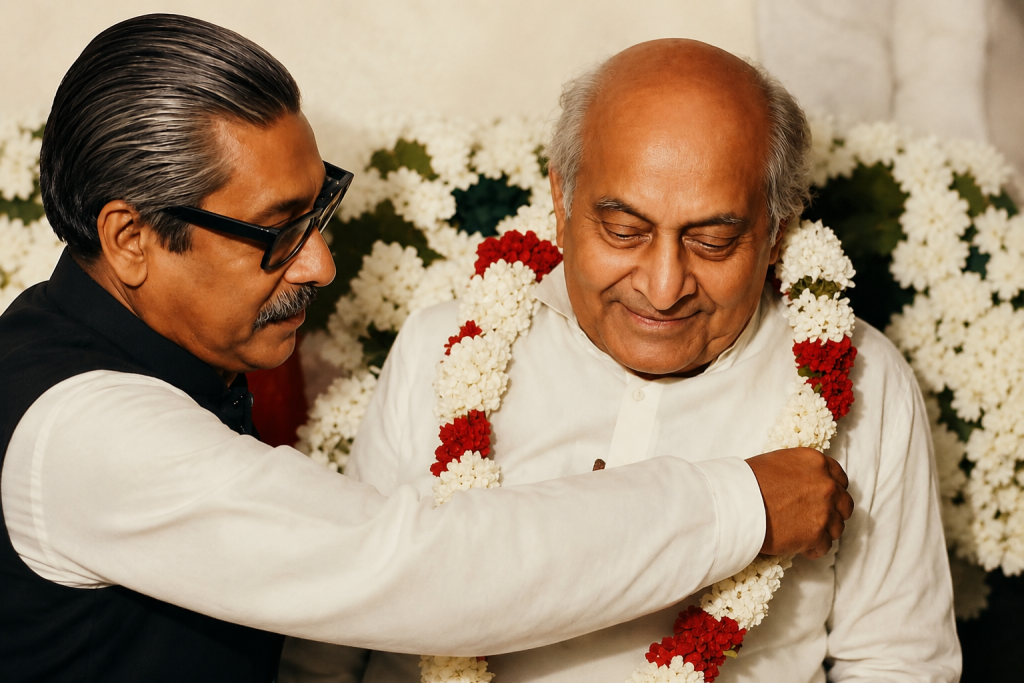
The final refuge of the Rebel Poet Kazi Nazrul Islam was Bangladesh and behind this historic chapter stood Sheikh Mujibur Rahman. As the architect of an independent Bangladesh, Bangabandhu not only built a new nation but also laid the foundation of its cultural identity. One of the most remarkable examples of this vision was his initiative to bring Nazrul to Bangladesh with full state honors. Nazrul shared a deep emotional connection with the land that later became Bangladesh. Although he was born in Bardhaman, in present-day India, he frequently visited East Bengal throughout his life. He traveled to Dhaka, Cumilla, Chattogram, Barishal, Mymensingh, Sylhet, Rajshahi, and many other regions for literary events, political activities, and personal visits. In 1926, he even contested the Indian Legislative Assembly election from the Dhaka–Faridpur constituency. The people of Bengal embraced him with immense affection, especially in Cumilla, where Birajasundari Devi treated him with motherly love. After independence, Bangabandhu Sheikh Mujibur Rahman envisioned a secular and culturally inclusive Bangladesh. He adopted songs of Rabindranath Tagore as the national anthem and recognized Nazrul’s songs as the nation’s marching spirit. Through this symbolic balance, Bangladesh established a cultural identity rooted in both Rabindranath and Nazrul. Bangabandhu realized that Nazrul ,the poet who had once voiced the dream of freedom across the subcontinent — was living in neglect and isolation in West Bengal. Determined to honor him properly, Bangabandhu decided to bring the poet to Bangladesh and celebrate his 73rd birthday with state recognition. During his visit to Kolkata in February 1972, he discussed the matter with the Governor of West Bengal and later with Indian Prime Minister Indira Gandhi. Diplomatic efforts and formal communications soon followed. The responsibility of bringing Nazrul to Bangladesh was given to then minister Matiur Rahman and cultural figure Mustafa Sarwar. After extensive discussions and overcoming family disagreements, Nazrul finally arrived in Dhaka on May 24, 1972, aboard a special flight of Biman Bangladesh Airlines. Thousands of emotional admirers gathered at Tejgaon Airport to welcome the poet. The crowd became so overwhelming that authorities had to secretly escort him out through the rear door of the aircraft and transport him by ambulance to his residence in Dhanmondi. Bangabandhu personally named the residence “Kobi Bhaban,” which later became the Nazrul Institute. Nazrul was received there with full state honor. Bangabandhu ensured every possible comfort for the poet and his family, even increasing his pension significantly. After a lifetime of financial hardship, Nazrul finally experienced dignity, stability, and national recognition in Dhaka. The love of the people of Bangladesh for Nazrul continued to grow after his arrival. In 1974, University of Dhaka awarded him an honorary D.Lit degree. In 1976, the government decided to confer the Ekushey Padak upon him and officially granted him Bangladeshi citizenship before doing so. On August 29, 1976, at the age of 77, Nazrul breathed his last at PG Hospital in Dhaka. Though the voice of the Rebel Poet fell silent, Bangladesh embraced him forever as its National Poet. Today, he rests beside the central mosque of the University of Dhaka in the land he deeply loved. Nazrul’s permanent settlement in Bangladesh was more than the relocation of a poet; it symbolized the cultural soul of a newly independent nation. Through Bangabandhu’s foresight and deep respect for culture, Bangladesh became the final home of Kazi Nazrul Islam.