Even Stars Like Tofail Ahmed Must One Day Fade
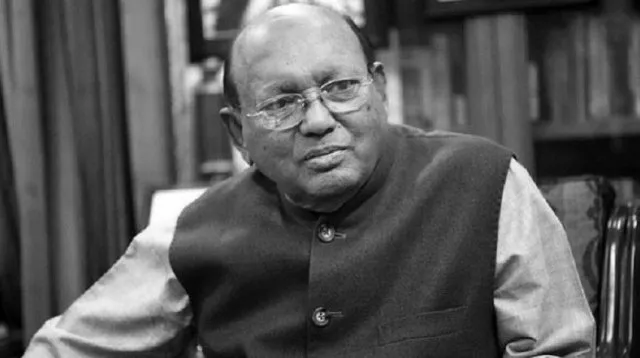
“History is not an accidental occurrence; history is the sum of the finest deeds performed by the most capable people.” February 23, 1969. The Racecourse Maidan reverberated with the thunderous slogans of hundreds of thousands of people. Standing on the stage, a vibrant 26-year-old student leader, in a voice resonating with conviction, announced a historic title: “Bangabandhu.” That young man was none other than Tofail Ahmed. The voice that conferred the title “Bangabandhu” upon Sheikh Mujibur Rahman has now fallen silent forever. On June 1, 2026, at the age of 82, he breathed his last at Square Hospital in Dhaka. With his passing, the curtain fell on a towering political epic spanning more than five decades. a one-man army who helped shape the political history of Bangladesh. Born on October 22, 1943, in Koralia village of Bhola, Tofail Ahmed’s political rise began early. A brilliant student of Soil Science at the University of Dhaka, he served as Vice President of DUCSU from 1967 to 1969. As one of the principal architects of the Mass Uprising of 1969, he shook the foundations of Ayub Khan’s regime. When the final struggle for Bangladesh’s independence began in 1971, Tofail Ahmed emerged as a frontline warrior of the liberation movement. The famous Roman poet Ovid’s quote perfectly fits him – “The mind, not the body, makes the champion.” He was a champion not only in intellect but also in strength and determination. As the commander of the western zone of the Mujib Bahini, one of the key driving forces of the Liberation War, he carried the responsibility of a vast region including Barisal, Khulna, and Faridpur. In 1970, at just 27 years of age, he was elected to Pakistan’s National Assembly with the Boat symbol and later became one of the signatories to the Constitution Drafting Committee of independent Bangladesh. As the Political Secretary to Bangabandhu Sheikh Mujibur Rahman, Tofail Ahmed remained at the center of power until the events of 1975. But after the national tragedy of that year, his life took a dramatic turn. He endured 33 months of imprisonment and severe torture. When the Awami League returned to power in 1996, he was entrusted with the responsibilities of Minister of Industries and later Minister of Commerce. Yet, there is a famous quote by the French philosopher Voltaire – “In politics, there are no permanent friends or enemies.” During the military-backed caretaker government of 2007, Tofail Ahmed supported a change in party leadership. As a result, an invisible distance gradually emerged between him and his longtime political ally, Sheikh Hasina. Despite being elected to Parliament nine times with the Boat symbol and remaining an MP until January 2024, he spent more than a decade of his later life politically marginalized within his own party. Having once stood at the pinnacle of power, he suffered from profound loneliness and disappointment in his final years. Yet until his death, he never deviated even an inch from the ideals of Bangabandhu. Amid the turbulent ocean of politics, Tofail Ahmed’s family life resembled a peaceful island. In 1964, he married Anwara Begum, the eldest daughter of Alhaj Mofizul Haque Talukdar of Donia. After six decades of a happy married life, Anwara Begum passed away in 2025, a loss that deeply affected him emotionally. The couple’s only daughter, Taslima Ahmed Zaman Munni, is a physician by profession. His son-in-law, Touhiduzzaman Tuhin, is also a renowned cardiologist at Square Hospital. Perhaps the most emotional chapter of Tofail Ahmed’s family life was his relationship with his adopted son, Mainul Hossain Biplob. After the death of his elder brother, he took his younger nephew Biplob under his care and loved him even more than his own child. Everywhere, he introduced him as his son. Tofail Ahmed carried a deep sense of guilt throughout his life, believing that his political involvement and commitments had indirectly contributed to the political murder of his non-political elder brother. It was from that profound remorse that he showered his brother’s son with extraordinary affection and care. Just as the moon has its blemishes, Tofail Ahmed’s long political career was not without controversy. In August 1969, during tensions surrounding the Education Commission issue, an attack allegedly carried out under his leadership on Islamic student leader Abdul Malek became one of the darker chapters in the history of Bangladesh’s student politics. Abdul Malek later died as a consequence of that incident. As political circumstances changed, the veteran leader also found himself facing legal battles in the final phase of his life. In May 2026, a court formally framed charges against him over allegations of embezzlement and abuse of power. During his final days, when his body had already been weakened by the ailments of old age, court proceedings and legal notices only deepened the tragedy of his twilight years. One is reminded of the famous lines of the American poet Robert Frost – “The woods are lovely, dark and deep, but I have promises to keep…” Tofail Ahmed, too, had some unfulfilled promises and final dreams—a Bhola-Barisal bridge, a public university in Bhola, and an international-standard cricket stadium for the district. On June 1, 2026, all those dreams came to an end as he departed for the land of no return. He belonged to a generation of politicians who spent less time reading history and more time creating it.
তোফায়েল আহমেদ’র মত যারা ইতিহাস তৈরি করেন, তাদেরও একদিন মিশে যেতে হয় ইতিহাসে
“ইতিহাস কোনো আকস্মিক ঘটনা নয়, ইতিহাস হলো যোগ্য মানুষের যোগ্যতম কর্মের সমষ্টি।” ১৯৬৯ সালের ২৩শে ফেব্রুয়ারি। রেসকোর্স ময়দানে লাখো জনতার গগনবিদারী স্লোগান। মাত্র ছাব্বিশ বছরের এক টগবগে তরুণ ছাত্রনেতা মঞ্চে দাঁড়িয়ে ডালিম কুমারী কণ্ঠে ঘোষণা করলেন এক যুগান্তকারী উপাধি – “বঙ্গবন্ধু”। সেই তরুণ আর কেউ নন, তিনি তোফায়েল আহমেদ। শেখ মুজিবুর রহমানকে ‘বঙ্গবন্ধু’ উপাধিতে ভূষিত করা সেই কণ্ঠটি আজ আজীবনের জন্য স্তব্ধ। ২০২৬ সালের ১লা জুন, ৮২ বছর বয়সে ঢাকার স্কয়ার হাসপাতালে শেষ নিঃশ্বাস ত্যাগ করেন বাংলাদেশের রাজনৈতিক ইতিহাসের অন্যতম প্রধান এই রূপকার। তাঁর প্রয়াণের মধ্য দিয়ে অবসান ঘটল ওয়ান-ম্যান আর্মির মতো দীর্ঘ পাঁচ দশকের এক দাপুটে রাজনৈতিক মহাকাব্যের। ১৯৪৩ সালের ২২শে অক্টোবর ভোলার কোড়ালিয়া গ্রামে জন্ম নেওয়া তোফায়েল আহমেদের রাজনৈতিক উত্থান শুরু হয়। ঢাকা বিশ্ববিদ্যালয়ের মৃত্তিকা বিজ্ঞান বিভাগের এই মেধাবী ছাত্র ১৯৬৭ থেকে ১৯৬৯ সাল পর্যন্ত ছিলেন ডাকসুর ভিপি। ঊনসত্তরের গণঅভ্যুত্থানের প্রধান নায়ক হিসেবে তিনি আইয়ুব খানের তখত কাঁপিয়ে দিয়েছিলেন। ১৯৭১ সালে যখন দেশ স্বাধীন করার চূড়ান্ত লড়াই শুরু হলো, তখন তোফায়েল আহমেদ আবির্ভূত হলেন যুদ্ধের অগ্রবর্তী সেনানি হিসেবে। বিখ্যাত রোমান কবি ওভিডের সেই উক্তিটি তাঁর সাথে মিলে যায়— “The mind, not the body, makes the champion.” তিনি কেবল মগজে নয়, শক্তিতেও ছিলেন চ্যাম্পিয়ন। মহান মুক্তিযুদ্ধের অন্যতম প্রধান চালিকাশক্তি ‘মুজিববাহিনী’র পশ্চিমাঞ্চলের প্রধান হিসেবে বরিশাল, খুলনা, ফরিদপুরসহ বিশাল অঞ্চলের দায়িত্ব কাঁধে তুলে নিয়েছিলেন তিনি। ১৯৭০ সালে মাত্র ২৭ বছর বয়সে প্রথমবার নৌকা প্রতীক নিয়ে পাকিস্তানের জাতীয় পরিষদের সদস্য হওয়া এই তরুণ পরে স্বাধীন বাংলাদেশের সংবিধান প্রণয়ন কমিটিতেও স্বাক্ষর করেছিলেন। বঙ্গবন্ধু শেখ মুজিবুর রহমানের রাজনৈতিক সচিব হিসেবে পঁচাত্তরের পূর্ব পর্যন্ত তোফায়েল আহমেদ ছিলেন ক্ষমতার কেন্দ্রবিন্দুতে। কিন্তু পঁচাত্তরের ট্র্যাজেডির পর তাঁর জীবন বদলে যায়। টানা ৩৩ মাস কারাবরণ এবং নির্মম নির্যাতনের মধ্য দিয়ে যেতে হয়েছে তাঁকে। ১৯৯৬ সালে আওয়ামী লীগ ক্ষমতায় ফিরলে তিনি শিল্প ও বাণিজ্যমন্ত্রীর দায়িত্ব পান। তবে ফরাসি দার্শনিক ভলতেয়ারের একটি বিখ্যাত উক্তি আছে— “রাজনীতিতে কোনো স্থায়ী বন্ধু বা শত্রু নেই।” ২০০৭ সালের সেনা-সমর্থিত সরকারের আমলে দলের ভেতরে নেতৃত্ব পরিবর্তনের পক্ষে মত দেওয়ায়, পরবর্তীতে দীর্ঘদিনের রাজনৈতিক সতীর্থ শেখ হাসিনার সাথে তাঁর এক অদৃশ্য দূরত্বের সৃষ্টি হয়। স্বাধীন বাংলাদেশে নৌকা প্রতীক নিয়ে ৯ বার সংসদ সদস্য নির্বাচিত হওয়া এবং ২০২৪ সালের জানুয়ারি পর্যন্ত এমপি থাকা সত্ত্বেও জীবনের শেষ এক দশকেরও বেশি সময় তিনি দলের রাজনীতিতে এক প্রকার কোণঠাসা ও অবহেলিত ছিলেন। ক্ষমতার চূড়া দেখা এই মানুষটি শেষ জীবনে এসে তীব্র এক হতাশা ও একাকীত্বে ভুগেছেন, যদিও মৃত্যুর আগ পর্যন্ত তিনি মুজিবের আদর্শ থেকে এক চুলও বিচ্যুত হননি। রাজনীতির উত্তাল সমুদ্রের মাঝে তোফায়েল আহমেদের পারিবারিক জীবনটি ছিল শান্ত এক দ্বীপের মতো। ১৯৬৪ সালে তিনি দনিয়ার আলহাজ্ব মফিজুল হক তালুকদারের জ্যেষ্ঠ কন্যা আনোয়ারা বেগমের সঙ্গে বিবাহবন্ধনে আবদ্ধ হন। দীর্ঘ ছয় দশকের সুখের দাম্পত্য জীবনের পর, ২০২৫ সালে আনোয়ারা বেগম পরলোকগমন করেন, যা তোফায়েল আহমেদকে মানসিকভাবে বেশ ভেঙে ফেলেছিল। এই দম্পতির একমাত্র কন্যাসন্তান তাসলিমা আহমেদ জামান মুন্নী পেশায় একজন চিকিৎসক। তাঁর জামাতা তৌহিদুজ্জামান তুহিনও স্কয়ার হাসপাতালের একজন খ্যাতনামা কার্ডিওলজিস্ট। তবে তোফায়েল আহমেদের পারিবারিক জীবনের সবচেয়ে আবেগময় অধ্যায়টি জড়িয়ে আছে তাঁর দত্তক নেওয়া পুত্র মাইনুল হোসেন বিপ্লবের সাথে। বড় ভাইয়ের মৃত্যুর পর তাঁর ছোট ছেলে বিপ্লবকে নিজের সন্তানের চেয়েও বেশি স্নেহে আগলে রেখেছিলেন তিনি, সবখানে পরিচয় করিয়ে দিতেন নিজের পুত্র হিসেবেই। রাজনীতিহীন বড় ভাইয়ের আকস্মিক রাজনৈতিক হত্যাকাণ্ডের পেছনে তোফায়েল আহমেদ সবসময় নিজের রাজনৈতিক ব্যস্ততা ও অংশগ্রহণকে দায়ী করে এক তীব্র অপরাধবোধে (Guilt) ভুগতেন। আর সেই অনুশোচনা থেকেই ভাইয়ের সন্তানকে নিজের চেয়েও বেশি ভালোবাসা দিয়েছিলেন তিনি। চাঁদেরও যেমন কলঙ্ক থাকে, তোফায়েল আহমেদের দীর্ঘ রাজনৈতিক জীবনেও কিছু অন্ধকার অধ্যায় ছায়া ফেলেছিল। ১৯৬৯ সালের আগস্টে শিক্ষা কমিশন নিয়ে আলোচনার সূত্র ধরে ইসলামী ছাত্রনেতা আব্দুল মালেকের ওপর তাঁর নেতৃত্বে হওয়া হামলার ঘটনাটি বাংলাদেশের ছাত্ররাজনীতির ইতিহাসে এক কালো অধ্যায় হিসেবে চিহ্নিত হয়ে আছে, যার ফলশ্রুতিতে আব্দুল মালেক মারা যান। রাজনীতির পটপরিবর্তনের পর জীবনের শেষপ্রান্তে এসে এই বর্ষীয়ান নেতাকে আইনি লড়াইয়ের মুখোমুখিও হতে হয়। ক্ষমতার অপব্যবহার করে অবৈধভাবে অর্থ আত্মসাতের অভিযোগে তাঁর বিরুদ্ধে ২০২৬ সালের মে মাসেই অভিযোগ গঠন করে আদালত। জীবনের শেষ দিনগুলোতে যখন শরীর বার্ধক্যজনিত নানাবিধ রোগে জীর্ণ, তখন আদালতের কাঠগড়া আর আইনি নোটিশ তাঁর ট্র্যাজেডিকে আরও ঘনীভূত করেছিল। আমেরিকান কবি রবার্ট ফ্রস্টের সেই বিখ্যাত লাইনটি মনে পড়ে— “The woods are lovely, dark and deep, but I have promises to keep…” তোফায়েল আহমেদেরও কিছু অপূর্ণ প্রতিশ্রুতি বা শেষ ইচ্ছা ছিল—ভোলা-বরিশাল সেতু নির্মাণ, ভোলায় একটি পাবলিক বিশ্ববিদ্যালয় ও আন্তর্জাতিক মানের ক্রিকেট স্টেডিয়াম গড়ে তোলা। ২০২৬ সালের ১লা জুন সব ইচ্ছার অবসান ঘটিয়ে তিনি পাড়ি জমালেন না-ফেরার দেশে। তিনি এমন এক রাজনৈতিক প্রজন্মের প্রতিনিধি ছিলেন, যারা ইতিহাস পড়ার থেকে, ইতিহাস তৈরি করেছেন বেশি।
Shakib Al Hasan: Hero, Villain, and the Tragedy of Bangladesh’s Greatest Cricketer
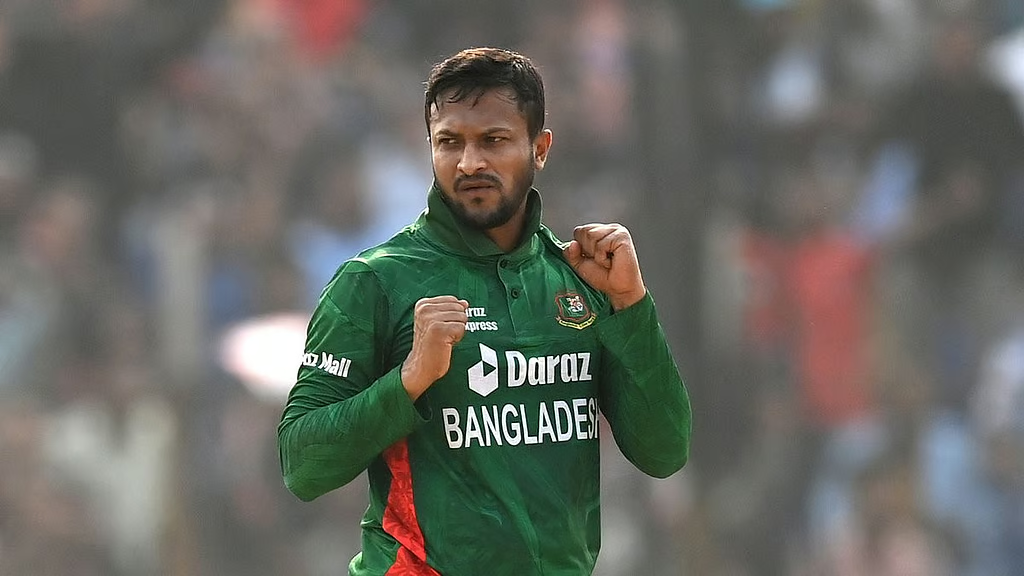
“You are the biggest cricket star Bangladesh has ever produced. Even your critics acknowledge your contribution to the game. Yet today, it seems that seven months of politics have overshadowed everything you achieved on the field, and you are paying the price for it. How unexpected is that?” For a few seconds, there was silence on the other end of the phone. Then came the voice of Shakib Al Hasan: – “Not just unexpected—it’s unacceptable to me. But what more can I say about it? You’re talking about seven months of politics. Some people even say my current situation is because I didn’t post a single Facebook status. What a situation this is!” Perhaps those four words—“What a situation”—capture the essence of Shakib Al Hasan’s entire life. As the saying goes: “People are not born heroes or villains; they are born people, and the world decides what to call them.” Few lives embody that idea as perfectly as Shakib’s. Once celebrated as a cricketing miracle, he has also been labeled arrogant, controversial, selfish, rebellious, and, by many, the greatest cricketer in Bangladesh’s history. He has been both hero and villain, often at the same time. And that is precisely what makes his story unique. There has never been another talent quite like him in Bangladeshi cricket. The sport has produced countless all-rounders, but very few have dominated all three formats of the game with the consistency required to become the world’s number-one all-rounder. Shakib was one of those rare exceptions. A player capable of being his team’s best batter, best bowler, and coolest head in the same match. He once said: “By Bangladesh’s standards, I’ve achieved many things before their time.” To some, that sounded like arrogance. In reality, Shakib was among the first Bangladeshi cricketers to normalize ideas such as franchise cricket, personal branding, and professional independence. Concepts that are commonplace today once earned him accusations of being unpatriotic. From Faisal of Magura to Shakib Al Hasan The story of Shakib Al Hasan is almost cinematic. Born on March 23, 1987, in Magura, he was obsessed with sports from childhood. His talent stood out so dramatically that local teams often hired him to play in village tournaments. During one such match, an impressed umpire arranged for him to train at Islampur Para Club in Magura. There, bowling with a proper cricket ball for the first time in his life, Shakib took a wicket with his very first delivery. The tape-tennis boy quickly began showcasing his abilities with both bat and ball. A brief period of training at BKSP, opportunities with Khulna Division, and an early call-up to Bangladesh’s Under-19 team soon followed. In the 2005 Under-19 Tri-Nation Tournament final, he scored a century off just 86 balls and took three wickets, announcing himself as a future star of Bangladeshi cricket. French novelist Victor Hugo once wrote: “Nothing is more powerful than an idea whose time has come.” Shakib’s time had arrived. Although his formal training at BKSP lasted only six months, it sharpened the extraordinary talent already within him. He made an immediate impact at every level. His Under-17 debut produced three wickets. In 2005, he scored 82 against England Under-19s and followed it with a century and three wickets in the tournament final. Across 18 Youth ODIs, he accumulated 563 runs and 22 wickets. At just 17, he made his first-class debut for Khulna and later claimed five wickets against Zimbabwe A in 2005. Looking back at those early years, one is reminded of T.S. Eliot’s famous words: “Home is where one starts from.” Shakib’s domestic foundation was built so solidly that conquering the world seemed only a matter of time. A Global Cricketing Nomad Shakib Al Hasan became one of cricket’s great globetrotters. Despite occasionally missing tournaments due to No Objection Certificate (NOC) complications, he remained a sought-after player across franchise leagues. In the 2023 Lanka Premier League, representing Galle Marvels, he scored 30 runs off 21 balls and claimed two wickets in a vintage all-round performance. After returning from his ICC suspension, he created history during the 2020 Bangabandhu T20 Cup, becoming only the third cricketer in the world to complete the remarkable double of 5,000 T20 runs and 300 wickets. He continued to deliver match-winning performances in domestic competitions, including the 2022 Swadhinata Cup. Controversies, criticism, and off-field storms never seemed capable of suppressing the cricketer within him. Like the mythical Phoenix, Shakib repeatedly rose from the ashes, proving that reinvention was one of his greatest gifts. Beyond the Boundary Shakib never confined himself to the 22-yard pitch. After obtaining a U.S. Green Card in 2018, his life became increasingly global. He served as a UNICEF Goodwill Ambassador, worked with anti-corruption campaigns, and collaborated with international brands such as Huawei. He ventured into business as Chairman of Monarch Holdings and later entered the gold trading sector through Burak Commodities. Yet the bouncers he faced outside cricket proved far more difficult to handle than those he encountered on the field. The Biggest Gamble: Politics Perhaps the greatest gamble of Shakib’s life was politics. In Bangladesh’s 2024 general election, he was elected as a Member of Parliament from Magura-1 under the Awami League banner. But fate had other plans. Only seven months later, the mass uprising of August led to the dissolution of Parliament, bringing his political career to an abrupt halt. Later, when BNP candidate Munawar Hossain Khan won the constituency in the 2026 election, the curtain effectively fell on Shakib’s political chapter. George Bernard Shaw once wrote: “Politics is the last refuge of the scoundrel.” Whether or not that applies here, Shakib undoubtedly encountered the harsh realities of political life. Reflecting on Bangladesh’s changing political landscape, he remarked: “There was a time when it seemed everyone supported the Awami League. Now it seems nobody does. That’s the situation.” When asked why he entered politics during his playing career, the confident and often combative cricketer suddenly sounded like the humble boy from Magura. “I was
সাত মাসের রাজনীতি কি মুছে দিল দুই দশকের ক্রিকেট গৌরব? | সাকিব আল হাসানের গল্প
“বাংলাদেশের সর্বকালের সবচেয়ে বড় ক্রিকেট তারকা আপনি। বাংলাদেশের ক্রিকেটে আপনার অবদান আপনার শত্রুও স্বীকার করবে। কিন্তু আপনার মাঠের পারফরম্যান্সের চেয়ে সাত মাসের রাজনীতিটাই বড় হয়ে গেল এবং এর জন্য আপনি ভুগছেন। এটা কতটা অপ্রত্যাশিত?” এক সাক্ষাৎকারদাতার প্রশ্নে,ফোনের ওপাশে কয়েক সেকেন্ড নীরবতা। তারপর সাকিব আল হাসানের কণ্ঠ ভেসে আসে— “শুধু অপ্রত্যাশিত নয়, আমার কাছে অগ্রহণযোগ্যও। কিন্তু এটা নিয়ে আর কীই-বা বলব! আপনি তো তা-ও বলছেন যে সাত মাস রাজনীতির কথা । অনেকে তো বলে যে একটা ফেসবুক পোস্ট না দেওয়াতেই নাকি আমার এই দশা … মানে কী একটা অবস্থা!” এই “কী একটা অবস্থা” — হয়তো এই চার শব্দেই লুকিয়ে আছে সাকিব আল হাসানের পুরো জীবন। People are not born heroes or villains; they are born people, and the world decides what to call them.” লাইনটা যেন অদ্ভুতভাবে মিলে যায় সাকিব আল হাসানের জীবনের সঙ্গে। একসময় যাকে বাংলাদেশ দেখেছে অলৌকিক প্রতিভা হিসেবে, পরে তাকেই কেউ বলেছে অহংকারী, কেউ বিতর্কিত, কেউ আবার দেশের ইতিহাসের সর্বকালের সেরা ক্রিকেটার। যেন তিনি একই সঙ্গে নায়কও, খলনায়কও। আর ঠিক এখানেই সাকিব আল হাসানের গল্পটা আলাদা। বাংলাদেশের ক্রিকেট ইতিহাসে এমন প্রতিভা দ্বিতীয়টি আসেনি। ক্রিকেট বিশ্বে অলরাউন্ডার এসেছে অনেক, কিন্তু তিন ফরম্যাটেই এক নম্বর অলরাউন্ডার হওয়ার মতো দানবীয় ধারাবাহিকতা খুব কম মানুষই দেখাতে পেরেছে। সাকিব সেই বিরলদের একজন। এমন একজন, যিনি একই ম্যাচে ব্যাট হাতে সেরা, বল হাতে সেরা, আবার কখনো দলের সবচেয়ে ঠান্ডা মাথার ক্রিকেটারও। তিনি নিজেই বলেছেন, “বাংলাদেশের হিসাবে সময়ের আগে আমি অনেক কিছু করে ফেলছি।” লাইনটা অহংকারের মতো শোনাতে পারে। কিন্তু বাস্তবতা হলো, বাংলাদেশের ক্রিকেটে ফ্র্যাঞ্চাইজি সংস্কৃতি, ব্যক্তিগত ব্র্যান্ডিং, ক্রিকেটারের স্বাধীনতা—এই ধারণাগুলো সবার আগে স্বাভাবিক করেছিলেন সাকিবই। আজ যেটা সাধারণ, একসময় সেটার জন্য তাকেই “দেশদ্রোহী” বলা হয়েছিল। মাগুরার ফয়সাল থেকে “সাকিব আল হাসান” হয়ে ওঠার গল্পটা সিনেমার মতো। ১৯৮৭ সালের ২৩ মার্চ মাগুরায় জন্ম নেওয়া সাকিব ছোটবেলা থেকেই ছিলেন খেলাপাগল। গ্রামের মাঠে তাঁর প্রতিভা এতটাই আলাদা ছিল যে বিভিন্ন জায়গা থেকে তাঁকে ভাড়া করে খেলতে নিয়ে যাওয়া হতো। এক স্থানীয় ম্যাচে তাঁর খেলা দেখে মুগ্ধ এক আম্পায়ার তাঁকে মাগুরার ইসলামপুর পাড়া ক্লাবে অনুশীলনের সুযোগ করে দেন। সেখানেই সত্যিকারের ক্রিকেট বলে জীবনের প্রথম বল করেই উইকেট তুলে নেন সাকিব। টেপ টেনিস থেকে উঠে আসা ছেলেটি খুব দ্রুতই ব্যাট ও বল—দুই হাতেই নিজের আলাদা সামর্থ্যের জানান দিতে শুরু করেন। এরপর বিকেএসপিতে স্বল্প সময়ের প্রশিক্ষণ, খুলনা বিভাগে সুযোগ এবং খুব অল্প বয়সেই অনূর্ধ্ব-১৯ দলে ডাক। ২০০৫ সালের অনূর্ধ্ব-১৯ ত্রিদেশীয় টুর্নামেন্টের ফাইনালে মাত্র ৮৬ বলে সেঞ্চুরি ও তিন উইকেট নিয়ে সাকিব বুঝিয়ে দিয়েছিলেন—বাংলাদেশ ক্রিকেট এক অসাধারণ প্রতিভাকে পেতে যাচ্ছে। ফরাসি লেখক ভিক্টর হুগো বলেছিলেন, “দুনিয়ার কোনো শক্তিই সেই ধারণাকে থামাতে পারে না, যার সময় এসে গেছে।” সাকিবের সময়টাও তখন এসে গিয়েছিল। বিকেএসপির মাত্র ছয় মাসের সংক্ষিপ্ত কিন্তু নিবিড় প্রশিক্ষণ সাকিবের ভেতরের বারুদকে আরও ধারালো করে তোলে। ২০০৩ সালে অনূর্ধ্ব-১৭ অভিষেকেই ৩ উইকেট নিয়ে সাকিবের পথচলা শুরু। ২০০৫ সালে অনূর্ধ্ব-১৯ দলের হয়ে ইংল্যান্ডের বিপক্ষে ৮২ এবং ফাইনালে ৮৬ বলে সেঞ্চুরির সাথে ৩ উইকেট নিয়ে তিনি বিশ্বমঞ্চে নিজের আগমনী বার্তা দেন। যুব ওয়ানডেতে ১৮ ম্যাচে তাঁর সংগ্রহ ৫৬৩ রান ও ২২ উইকেট। ১৭ বছর বয়সে খুলনার হয়ে প্রথম শ্রেণীর ক্রিকেটে অভিষেকের পর, ২০০৫ সালে জিম্বাবুয়ে ‘এ’ দলের বিপক্ষে ৫ উইকেট নিয়ে নিজের জাত চেনান। সাকিবের এই শুরুর দিনগুলো দেখে বিখ্যাত কবি টি এস এলিয়টের সেই লাইনটি মনে পড়ে যায়— “Home is where one starts from.” নিজের ঘরোয়া ভিতটা তিনি এতটাই শক্ত করে গড়েছিলেন যে বিশ্ব জয় করা তাঁর জন্য কেবল সময়ের ব্যাপার ছিল। সাকিব আল হাসান বিশ্ব ক্রিকেটের এক যাযাবর ফেরিওয়ালা (Globetrotter)। বোর্ডের অনাপত্তিপত্র (NOC) জটিলতায় পিএসএল বা এলপিএলের বেশ কিছু আসরে খেলতে না পারলেও, ২০২৩ লঙ্কা প্রিমিয়ার লিগে গল মার্ভেলসের হয়ে ২১ বলে ৩০ রান ও ২ উইকেট নিয়ে চেনা দাপট দেখান। আইসিসির নিষেধাজ্ঞা কাটিয়ে ২০২০ সালের বঙ্গবন্ধু টি-টোয়েন্টি কাপে ফিরেই তিনি গড়েন অনন্য ইতিহাস; বিশ্বের মাত্র তৃতীয় ক্রিকেটার হিসেবে টি-টোয়েন্টিতে ৫০০০ রান ও ৩০০ উইকেটের মহাকাব্যিক অলরাউন্ড ডাবল অর্জন করেন। ২০২২ স্বাধীনতা কাপেও তিনি ব্যাটে-বলে দলকে দুর্দান্ত জয় এনে দেন। বিতর্ক কিংবা মাঠের বাইরের ঝড়—কোনো কিছুই তাঁর ভেতরের ক্রিকেটার সত্ত্বাকে দমাতে পারেনি; তিনি বারবার প্রমাণ করেছেন, গ্রিক পুরাণের ফিনিক্স পাখির মতোই ধ্বংসস্তূপ থেকে বারবার ডানা মেলে আকাশে ওড়াটায় তাঁর সহজাত প্রবৃত্তি। সাকিব আল হাসান কখনো নিজেকে কেবল ২২ গজের বৃত্তে আটকে রাখেননি। ২০১৮ সালে যুক্তরাষ্ট্রের গ্রিন কার্ড পাওয়ার পর তাঁর জীবন আরও বিশ্বজনীন হয়ে ওঠে। ইউনিসেফের শুভেচ্ছা দূত, দুর্নীতি দমন কমিশনের (দুদক) ব্র্যান্ড অ্যাম্বাসেডর কিংবা হুয়াওয়ের মতো বৈশ্বিক ব্র্যান্ডের সাথে যুক্ত থেকে তিনি নিজের তারকাখ্যাতিকে নিয়ে গেছেন অনন্য উচ্চতায়। একই সাথে মোনার্ক হোল্ডিংসের চেয়ারম্যান হিসেবে কর্পোরেট জগতে পা রাখা কিংবা ‘বুরাক কমোডিটিজ’-এর মাধ্যমে স্বর্ণের ব্যবসায় প্রবেশ—সাকিব মাঠের বাইরের জীবনেও এক রোমাঞ্চকর অলরাউন্ডার হয়ে উঠতে চেয়েছিলেন। কিন্তু মাঠের বাইরের এই বাউন্সারগুলো সামলানো তাঁর জন্য ক্রিকেটের চেয়েও অনেক বেশি কঠিন প্রমাণিত হয়েছিল। সাকিবের জীবনের সবচেয়ে বড় জুয়াটি ছিল সম্ভবত রাজনীতি। ২০২৪ সালের সাধারণ নির্বাচনে নিজ শহর মাগুরা-১ আসন থেকে আওয়ামী লীগের সংসদ সদস্য নির্বাচিত হন তিনি। কিন্তু নিয়তির পরিহাস, মাত্র সাত মাস পরেই আগস্টের গণ-অভ্যুত্থানে সংসদ ভেঙে দিলে তাঁর সাংসদ পদের অবসান ঘটে। পরবর্তীতে ২০২৬ সালের নির্বাচনে মাগুরা-১ আসনে বাংলাদেশ জাতীয়তাবাদী দলের (বিএনপি) মুনোয়ার হোসেন খান নির্বাচিত হলে সাকিবের রাজনৈতিক অধ্যায়ের ওপর যবনিকা পড়ে। বিখ্যাত আইরিশ নাট্যকার জর্জ বার্নার্ড শ লিখেছিলেন, “রাজনীতি হলো অজ্ঞদের দ্বারা চালিত এবং জ্ঞানীদের দ্বারা শাসিত হওয়ার এক নির্মম প্রক্রিয়া।” সাকিব হয়তো সেই নির্মমতারই মুখোমুখি হয়েছেন। সাম্প্রতিক এক সাক্ষাৎকারে বর্তমান রাজনৈতিক পটপরিবর্তন নিয়ে নিজের স্বভাবসুলভ চাঁছাছোলা ভাষায় তিনি আক্ষেপ করে বলেন: “একটা সময় দেখতাম যে সবাই আওয়ামী লীগ করে, আর এখন দেখি যে কেউই আওয়ামী লীগ করে না। এরকম একটা অবস্থা।” যখন তাঁকে প্রশ্ন করা হয় খেলোয়াড়ি জীবনেই কেন রাজনীতিতে এলেন, তখন মাঠের অহংকারী সাকিব মুহূর্তেই মাগুরার সেই চেনা ছেলেটি হয়ে যান। আবেগঘন কণ্ঠে বলেন, “কখনো মাগুরাতে সাকিব আল হাসান হইনি। আমি সবসময় মাগুরাতে ফয়সালেই ছিলাম।” রাজনীতিতে আসার সিদ্ধান্ত নিয়ে চারপাশের তীব্র সমালোচনার জবাবে তিনি এখনো নিজের অবস্থানে অনড়, অকপটে বলেন, “আমি মনে করি যে আমি ভুল কিছু করি নাই।” রাজনীতির পালাবদলের পর সাকিবের ওপর নেমে আসে একের পর এক আইনি ও আর্থিক খড়্গ। আড়াইশ কোটি টাকার পুঁজিবাজার কারসাজির অভিযোগে দুর্নীতি দমন কমিশন (দুদক) তাঁর সমস্ত নথিপত্র জব্দ করে। অভিযোগ রয়েছে, সাধারণ বিনিয়োগকারীদের প্রলুদ্ধ করে কোটি কোটি টাকা হাতিয়ে নেওয়ার এই চক্রে তিনি সক্রিয় ছিলেন। অবৈধ সম্পদ অর্জনের এই তদন্ত ও মামলার বেড়াজালে জড়িয়ে বর্তমানে সাকিবের জীবন কাটছে দূর পরবাসে, মার্কিন যুক্তরাষ্ট্রে। একদা মিরপুর স্টেডিয়ামে যার এক নজর দর্শনের জন্য হাজারো মানুষ ভিড় করত, আজ সেখানে ফেরার পথটাই তাঁর জন্য সবচেয়ে বড় গোলকধাঁধা। আগামীতে দেশে ফিরলে প্রথমে
Mashrafe Bin Mortaza and the Art of Never Giving Up

Some people in the history of Bangladesh cricket cannot be judged by statistics alone. They become emotions, symbols of an era. Mashrafe Bin Mortaza is one such name. He was not just a fast bowler; he was a warrior who kept fighting with a broken body, a captain who rebuilt the shattered dreams of a nation’s cricket. Those who have read The Old Man and the Sea know how the old fisherman Santiago fought alone against the sea. His body broke, but his spirit did not. In Bangladesh cricket, that Santiago was Mashrafe. His knees underwent surgery countless times, and doctors advised him to rest, yet he kept returning. Because some people do not play for themselves, they play for a flag. Ernest Hemingway once wrote: “Man can be destroyed, but not defeated.” It feels as though this line was written for Mashrafe’s life itself. Born in the small southwestern district of Narail, the boy loved football, badminton, and swimming in the Chitra River more than books during his childhood. Cricket came into his life later. At first, he was more interested in batting, but time transformed him into one of the most emotional and inspiring pacers in Bangladesh’s history. People began calling him—“The Narail Express.” In his hometown, he is not merely a cricketer; he is the “Prince of Hearts.” To thousands of young people, he proved that even a boy from a small town outside Dhaka could conquer the world. There was a time when Bangladesh hardly had a genuine pace bowler. In a cricket culture dependent on spin, Mashrafe arrived like a storm. Even at the Under-19 level, his fiery bowling caught the attention of legendary West Indian pacer Andy Roberts. Roberts understood: “This boy does not just have a ball in his hand; he carries rebellion.” After playing only one match for the Bangladesh A team, Mashrafe earned a call-up to the national side. On 8 November 2001, in his Test debut against Zimbabwe, he took four wickets and announced that a new era was about to begin in Bangladesh cricket. What made it even more astonishing was that it was also his very first first-class match. Such a rare event is hardly seen in cricket history. In 2006, he was among the highest wicket-takers in ODI cricket. With 49 wickets, he not only won matches but also gifted Bangladesh a new sense of belief. That same year, during Bangladesh’s historic victory over Australia in Cardiff, he dismissed Adam Gilchrist for a duck, leaving the cricket world stunned. Just as William Wallace in Braveheart sacrificed his body for the dream of freedom, Mashrafe sacrificed his body for Bangladesh cricket. While others tried to protect their careers, he chose to protect the honor of his nation’s flag. His four wickets against India in the unforgettable victory of the 2007 World Cup remain etched in history. That day, millions of people truly began to believe that Bangladesh, too, could stand tall on the world stage. During his 16-year career, injuries forced him away from the field 11 times. A knee injury against England kept him out of cricket for two years. Yet he returned. He got injured again. And he returned. Every comeback for him was never just about cricket; it was a battle against his own limitations. The 2011 World Cup at home was cruelly taken away from him by injury. The World Cup, where the entire nation wanted to see him play, had to be watched by him as a spectator. What greater pain could there be for a warrior? Still, he did not stop. Under his leadership, Bangladesh reached the quarter-finals of the 2015 World Cup. By defeating a powerhouse like England, they announced to the world: “Bangladesh is no longer a small team.” When Bangladesh grew exhausted from losing, Mashrafe stood alone at the front. In 2020, he stepped down as ODI captain after a victory against Zimbabwe. In 88 matches as captain, he secured 50 wins—marking the beginning of a new era in Bangladesh cricket. But a person’s life is never confined only to the field. The hero of cricket eventually stepped onto the political stage as well. In 2018, Mashrafe Bin Mortaza was elected as a Member of Parliament from the Narail-2 constituency while still serving as the national team captain. Such an event is rare in the history of world sports. He once said: “I wanted to work for people on a larger scale. But politics is not as simple as cricket. In cricket, the opposition is eleven people; in politics, sometimes the opposition becomes the entire society.” There was excitement surrounding his electoral victory, but there were also questions. His massive winning margin in the 2018 election drew criticism. Some said, “The legend of the field has become part of political reality.” Others believed it was simply the love of the people of Narail that brought him that victory. During the 2024 quota reform movement, his silence created even greater controversy. Young people expected him to take a stand, because to them Mashrafe was not just a cricketer—he was a symbol of courage. Later, he himself admitted that he had failed to meet people’s expectations. This confession made him even more human. Because truly great people know how to acknowledge their own mistakes. After the fall of the government of Sheikh Hasina, his house in Narail was attacked and set on fire. Yet he did not speak the language of revenge. Instead, he said: “I will not seek justice against the people of Narail.” Perhaps within these words lies Mashrafe’s greatest identity. Kazi Nazrul Islam once wrote: “I am the eternal rebel hero.” Mashrafe, too, seems like such a silent rebel. A rebellion against his own body, against failure, and sometimes against his own shortcomings. At one point, he said: “When I die, do not bring my body back to Narail.” Perhaps hidden within this sentence is the pain of a wounded man, a silent sorrow toward the city