From Dishwasher to Architect of the AI Age
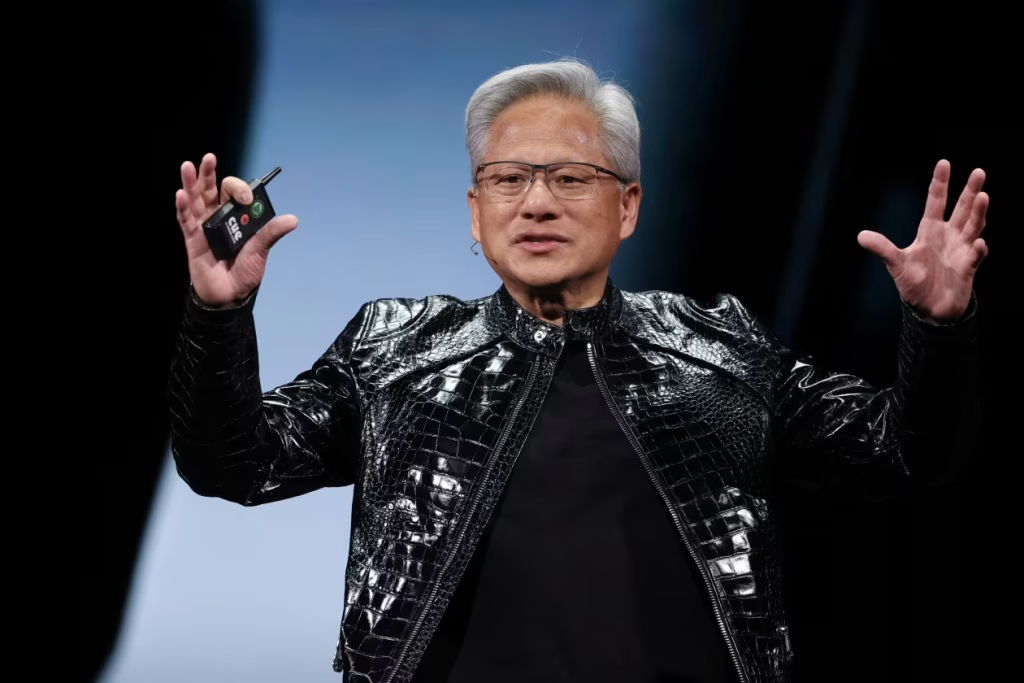
Some individuals in the history of technology possess a vision so profound that it not only transforms the destiny of a company but also shapes the course of an entire era. Jensen Huang is one of those rare figures, as the co-founder and Chief Executive Officer of NVIDIA. He is widely recognized as one of the principal architects of the modern Artificial Intelligence (AI) revolution. In his own words, “Curiosity is the most powerful force behind progress. Never stop asking questions and seeking answers.” Born in Taipei, Taiwan, in 1963, Jensen Huang spent part of his childhood there before immigrating to the United States with his family. Life in a new country was far from easy. Alongside his studies, he worked various part-time jobs to support himself, including serving as a busboy and cleaning tables in restaurants. These early struggles taught him the true value of hard work, discipline, and perseverance. As Huang often says, Never think any job is beneath you. Every experience becomes the foundation for your future.” He earned a bachelor’s degree in Electrical Engineering from Oregon State University and later completed a master’s degree in the same field at Stanford University. Early in his career, he worked at AMD and LSI Logic, gaining valuable experience in the semiconductor industry. In 1993, at the age of just 30, Huang co-founded NVIDIA with two friends. Initially, the company’s focus was on developing Graphics Processing Units (GPUs) for gaming. However, Huang quickly recognized that the potential of GPUs extended far beyond gaming applications. His visionary leadership gradually transformed NVIDIA into a global powerhouse in artificial intelligence, data centers, robotics, scientific research, and supercomputing. Today, much of the world’s advanced AI infrastructure depends on NVIDIA’s GPU technology. As a result, technology analysts often refer to him as one of the architects of the AI era. According to Huang, “AI won’t directly take your job. Someone using AI effectively will.” One of the most inspiring and human aspects of Jensen Huang’s story is his personal life. While studying at Oregon State University, he met Lori Mills. Working together as laboratory partners, they developed a friendship that eventually blossomed into a romantic relationship. According to a popular story, Jensen once told Lori, “If you study with me, you’ll get an A.” After nearly five years together, they married in 1984. More than four decades later, their marriage remains remarkably strong and enduring. Huang has repeatedly acknowledged that Lori’s support has been one of his greatest sources of strength during challenging periods of his life. Reflecting on success and resilience, Huang has observed, “People with high expectations often have less patience and tolerance. Yet those qualities are essential foundations for long-term success.” As a leader, Jensen Huang firmly believes that no success is ever final. Complacency gradually weakens organizations, which is why he consistently emphasizes continuous learning, adaptation, and innovation as the only path forward. Another defining feature of Huang’s public image is his iconic black leather jacket, which has become almost synonymous with NVIDIA itself. He is frequently seen wearing it during major technology announcements and industry events, reflecting his simple yet confident personality. In 2007, Jensen and Lori Huang established the Jen-Hsun & Lori Huang Foundation, which has contributed significantly to education, science, healthcare, and technology research. In recognition of his extraordinary contributions, Huang has received numerous prestigious honors, including the IEEE Medal of Honor, IEEE Founders Medal, Robert N. Noyce Award, imec Lifetime of Innovation Award, Ernst & Young Entrepreneur of the Year, and honorary doctorates from several universities. Another of his powerful beliefs is, “The greatest risk is taking no risk at all.” From washing dishes and working in restaurants to leading one of the world’s most influential technology companies, Jensen Huang’s journey is far more than a success story. It is a remarkable testament to perseverance, curiosity, vision, and the power of meaningful human relationships. Jensen Huang has demonstrated that limited opportunities never have to stand in the way of ambitious dreams, provided one possesses the right mindset, relentless determination, and an unwavering commitment to learning. Perhaps no quote captures the essence of his life better than this, “If you are afraid of failure, you will never accomplish anything truly great.”
যে মানুষটির চিপের ওপর দাঁড়িয়ে আছে আজকের AI বিশ্ব
প্রযুক্তি বিশ্বের ইতিহাসে কিছু মানুষ আছেন, যাদের দূরদর্শিতা শুধু একটি কোম্পানির ভাগ্য বদলে দেয় না, বরং পুরো একটি যুগের গতিপথ নির্ধারণ করে। জেনসেন হুয়াং সেই বিরল ব্যক্তিত্বদের একজন। তিনি NVIDIA-এর সহ-প্রতিষ্ঠাতা ও প্রধান নির্বাহী কর্মকর্তা (CEO), এবং আধুনিক কৃত্রিম বুদ্ধিমত্তা (AI) বিপ্লবের অন্যতম প্রধান রূপকার হিসেবে বিশ্বজুড়ে পরিচিত। তাঁর ভাষায়, “কৌতূহলই অগ্রগতির সবচেয়ে বড় শক্তি। কখনোই প্রশ্ন করা এবং উত্তর খোঁজা বন্ধ করবেন না।” ১৯৬৩ সালে তাইওয়ানের তাইপেতে জন্মগ্রহণ করেন জেনসেন হুয়াং। শৈশবের একটি অংশ তাইওয়ানে কাটানোর পর তিনি পরিবারের সঙ্গে যুক্তরাষ্ট্রে পাড়ি জমান। নতুন দেশে জীবন তাঁর জন্য সহজ ছিল না। পড়াশোনার পাশাপাশি জীবিকার প্রয়োজনে তিনি রেস্তোরাঁয় বাসবয়, টেবিল পরিষ্কারকর্মীসহ বিভিন্ন খণ্ডকালীন কাজ করেছেন। এই সংগ্রামী জীবনই তাঁকে পরিশ্রম, শৃঙ্খলা এবং অধ্যবসায়ের প্রকৃত মূল্য শিখিয়েছে। তাঁর নিজের কথায়, “নিজের কোনো কাজকেই ছোট মনে করবেন না। প্রতিটি অভিজ্ঞতাই ভবিষ্যতের ভিত্তি।” শিক্ষাজীবনে তিনি Oregon State University থেকে ইলেকট্রিক্যাল ইঞ্জিনিয়ারিংয়ে স্নাতক ডিগ্রি অর্জন করেন এবং পরবর্তীতে Stanford University থেকে একই বিষয়ে স্নাতকোত্তর ডিগ্রি লাভ করেন। কর্মজীবনের শুরুতে তিনি AMD এবং LSI Logic-এ কাজ করে সেমিকন্ডাক্টর শিল্পের গভীর অভিজ্ঞতা অর্জন করেন। ১৯৯৩ সালে মাত্র ৩০ বছর বয়সে তিনি বন্ধুদের সঙ্গে মিলে NVIDIA প্রতিষ্ঠা করেন। শুরুতে কোম্পানির লক্ষ্য ছিল গেমিংয়ের জন্য গ্রাফিক্স প্রসেসিং ইউনিট (GPU) তৈরি করা। কিন্তু জেনসেন হুয়াং দ্রুতই বুঝতে পারেন GPU-এর সম্ভাবনা গেমিংয়ের বাইরেও অনেক বিস্তৃত। তাঁর দূরদর্শী সিদ্ধান্তই NVIDIA-কে ধীরে ধীরে কৃত্রিম বুদ্ধিমত্তা, ডেটা সেন্টার, রোবোটিক্স, বৈজ্ঞানিক গবেষণা এবং সুপারকম্পিউটিংয়ের অন্যতম শক্তিতে পরিণত করে। আজ বিশ্বের অধিকাংশ আধুনিক AI প্রযুক্তি NVIDIA-এর GPU-এর ওপর নির্ভরশীল। তাই প্রযুক্তি বিশ্লেষকরা তাঁকে প্রায়ই “AI যুগের অন্যতম স্থপতি” বলে অভিহিত করেন। তাঁর দৃষ্টিভঙ্গিতে, “এআই প্রযুক্তি আপনাকে সরাসরি চাকরি থেকে সরিয়ে দেয় না; বরং এআই ব্যবহার করতে পারা অন্য কেউ আপনার জায়গা নিয়ে নেয়।” জেনসেন হুয়াংয়ের জীবনের সবচেয়ে মানবিক ও অনুপ্রেরণামূলক অধ্যায় তাঁর ব্যক্তিগত জীবন। Oregon State University-তে পড়াশোনার সময় তাঁর পরিচয় হয় Lori Mills-এর সঙ্গে। একই ল্যাব পার্টনার হিসেবে কাজ করতে গিয়ে তাঁদের মধ্যে বন্ধুত্ব গড়ে ওঠে, যা ধীরে ধীরে প্রেমে রূপ নেয়। একটি বহুল প্রচলিত গল্প অনুযায়ী, জেনসেন একবার লরিকে বলেছিলেন, “আমার সঙ্গে পড়লে তুমি A গ্রেড পাবে।” পরবর্তীতে প্রায় পাঁচ বছরের সম্পর্কের পর ১৯৮৪ সালে তাঁরা বিবাহবন্ধনে আবদ্ধ হন। চার দশকেরও বেশি সময় ধরে তাঁদের দাম্পত্য জীবন অত্যন্ত দৃঢ় ও স্থিতিশীলভাবে এগিয়ে চলছে। জেনসেন বিভিন্ন সময়ে স্বীকার করেছেন, জীবনের কঠিন সময়গুলোতে লরির সমর্থন তাঁর সবচেয়ে বড় শক্তিগুলোর একটি। তাঁর উপলব্ধিতে, “যাদের প্রত্যাশা অনেক বেশি, তাদের ধৈর্য এবং সহনশীলতা কম থাকে। কিন্তু এগুলোই দীর্ঘমেয়াদি সাফল্যের ভিত্তি।” নেতৃত্বের ক্ষেত্রে জেনসেন হুয়াংয়ের দর্শন খুবই স্পষ্ট, কোনো সাফল্যই চূড়ান্ত নয়। আত্মতুষ্টি একটি প্রতিষ্ঠানকে ধীরে ধীরে পিছিয়ে দেয়। তাই তিনি সবসময় বিশ্বাস করেন, শেখা, পরিবর্তন এবং উদ্ভাবনই এগিয়ে যাওয়ার একমাত্র পথ। তাঁর আরেকটি পরিচিত বৈশিষ্ট্য হলো কালো লেদার জ্যাকেট, যা আজ NVIDIA-এর এক ধরনের প্রতীকী পরিচয়ে পরিণত হয়েছে। বড় কোনো প্রযুক্তি ইভেন্ট বা ঘোষণা অনুষ্ঠানে তাঁকে প্রায়ই এই পোশাকে দেখা যায়। যা তাঁর সরল কিন্তু আত্মবিশ্বাসী ব্যক্তিত্বের প্রতিফলন। ২০০৭ সালে তিনি ও তাঁর স্ত্রী মিলে Jen-Hsun & Lori Huang Foundation প্রতিষ্ঠা করেন, যা শিক্ষা, বিজ্ঞান, স্বাস্থ্যসেবা এবং প্রযুক্তি গবেষণায় গুরুত্বপূর্ণ অবদান রেখে চলেছে। তাঁর অসাধারণ অবদানের স্বীকৃতিস্বরূপ তিনি পেয়েছেন IEEE Medal of Honor, IEEE Founders Medal, Robert N. Noyce Award, imec Lifetime of Innovation Award, Ernst & Young Entrepreneur of the Year সহ বহু আন্তর্জাতিক সম্মাননা এবং বিভিন্ন বিশ্ববিদ্যালয়ের সম্মানসূচক ডক্টরেট। তাঁর আরেকটি শক্তিশালী বিশ্বাস হলো, “সবচেয়ে বড় ঝুঁকি হলো কোনো ঝুঁকিই না নেওয়া।” ডিশওয়াশার এবং রেস্তোরাঁর কাজ থেকে শুরু করে বিশ্বের সবচেয়ে প্রভাবশালী প্রযুক্তি প্রতিষ্ঠানের নেতৃত্বে পৌঁছানোর এই যাত্রা শুধুমাত্র সাফল্যের গল্প নয়; এটি অধ্যবসায়, কৌতূহল, দূরদর্শিতা এবং মানবিক সম্পর্কের এক অসাধারণ উদাহরণ। জেনসেন হুয়াং দেখিয়ে দিয়েছেন, সীমিত সুযোগ কখনোই বড় স্বপ্নের পথে বাধা হতে পারে না। যদি থাকে সঠিক দৃষ্টিভঙ্গি, কঠোর পরিশ্রম এবং শেখার অদম্য ইচ্ছা।তাঁর এই কথাটিই যেন পুরো জীবনের সারসংক্ষেপ হয়ে ওঠে “আপনি যদি ব্যর্থ হতে ভয় পান, তাহলে কখনোই বড় কিছু অর্জন করতে পারবেন না।
One Word, Two Narratives: How ‘Partition’ Became Bengal’s New Political Weapon
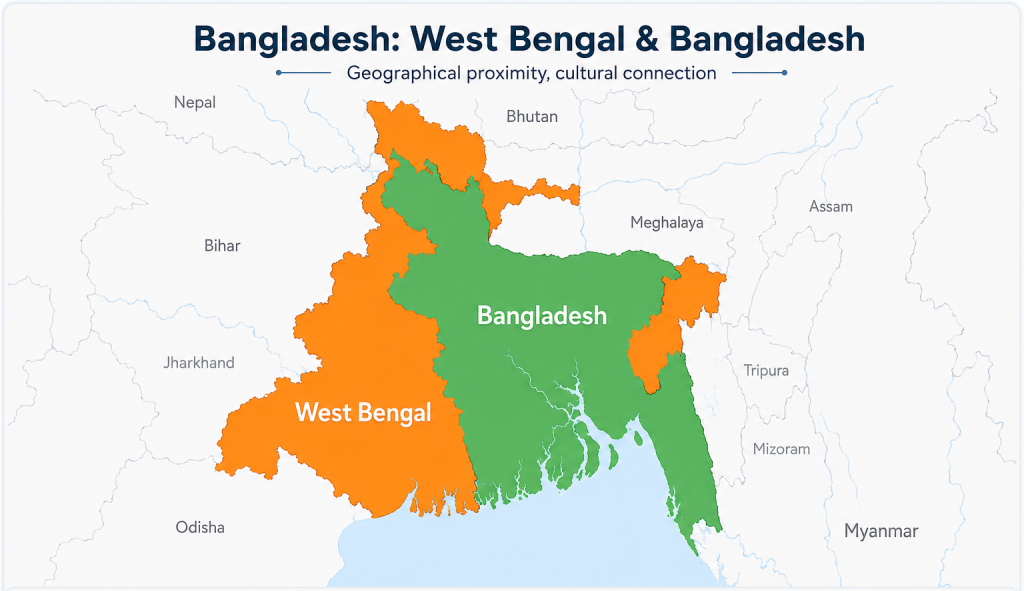
Nearly 80 years after the Partition of 1947, that old word from history seems to be returning in a new form. However, this time it is not through refugee-packed trains, barbed-wire borders, or bloody separation, but through Facebook posts, viral videos, political slogans, and heated social debates surrounding Eid-ul-Adha. Recently, the West Bengal government issued strict guidelines regarding animal slaughter and Qurbani (Eid sacrifice), which the Calcutta High Court also upheld. According to the new rules, animal slaughter without administrative permission, open public sacrifice, and slaughter activities without proper certification are prohibited. The government claims that these measures are intended to ensure law and order, public health, and environmental protection. However, critics argue that although administrative permission is mentioned, obtaining it in practice has become difficult in many areas, or delays in the approval process make it impossible to complete procedures on time. As a result, uncertainty and confusion have emerged regarding religious practices, further increasing public dissatisfaction. The situation became so sensitive that even the Imam of Kolkata’s historic Nakhoda Mosque urged Muslims to refrain from sacrificing cattle. This statement further intensified the debate on social media. A wave of posts, videos, and live discussions quickly spread anger, frustration, religious sentiment, and political arguments. A major factor fueling this controversy is the algorithm-driven nature of social media platforms. On Facebook, YouTube, X (Twitter), and Reddit, numerous pages and political accounts interpret events in line with their own ideologies. Short video clips, interviews of distressed farmers, confrontations with police, and even old footage are often circulated with new claims, spreading rapidly within minutes. As a result, real events, exaggerations, and misinformation blend, creating a highly charged digital environment. However, this crisis is not purely religious; it is also deeply connected to economic and political factors. Many farmers and traders in the cattle markets have suffered financial losses due to reduced sales during the Eid season. Not only Muslims but also many Hindu cattle farmers have reportedly been affected economically. Traders claim that reduced cattle supply from border areas, transportation difficulties, and increased administrative monitoring have also impacted the market. Consequently, the issue has gradually shifted from a religious debate to a broader discussion on social and economic instability. According to political analysts, religious polarization in West Bengal has intensified since the rise of the Bharatiya Janata Party. On one side is the expansion of Hindu nationalist politics, while on the other is a counter-political stance centered around the Muslim vote bank. In this conflict, even the religious sentiments of ordinary people are increasingly being used as political tools. Various social media posts claim that Muslims are facing growing social and administrative pressure. On the other hand, hardline Hindu nationalist groups use terms like “West Bengal” to mock the Muslim population and political landscape of West Bengal. Some also use the term “Muslim Bengal” as a symbol of demographic change and cultural transformation. Thus, the same words carry completely different meanings for different groups. This debate is not limited to West Bengal alone—it has also triggered strong reactions across the broader Bengali-speaking online community, including Bangladesh. Users from both sides interpret the issue from different perspectives: some view it as an example of religious rights being restricted, while others see it as a matter of law enforcement and social regulation. Interestingly, both sides are now using the term “Partition” in their own ways. One side argues that Muslim rights are being restricted, while the other claims that the identity of West Bengal is changing. In other words, the same word that once physically divided people in 1947 is now, in 2026, dividing them mentally, culturally, and politically. However, the reality is that not all information circulating on social media is true. Several videos, images, and claims have already been proven misleading or false. Old footage from past riots has been circulated as recent events, videos from other countries have been presented as if they were from West Bengal, and edited clips have been used to create emotional tension. Yet in the politics of emotion, feelings often spread faster than facts. For this reason, “Partition” is no longer just a chapter of history; it has once again become a political symbol, a social anxiety, and a slogan in a new age of online conflict.
From Sacrificial List to National Zoo: The Crazy Story of Bangladesh’s “Donald Trump” Buffalo
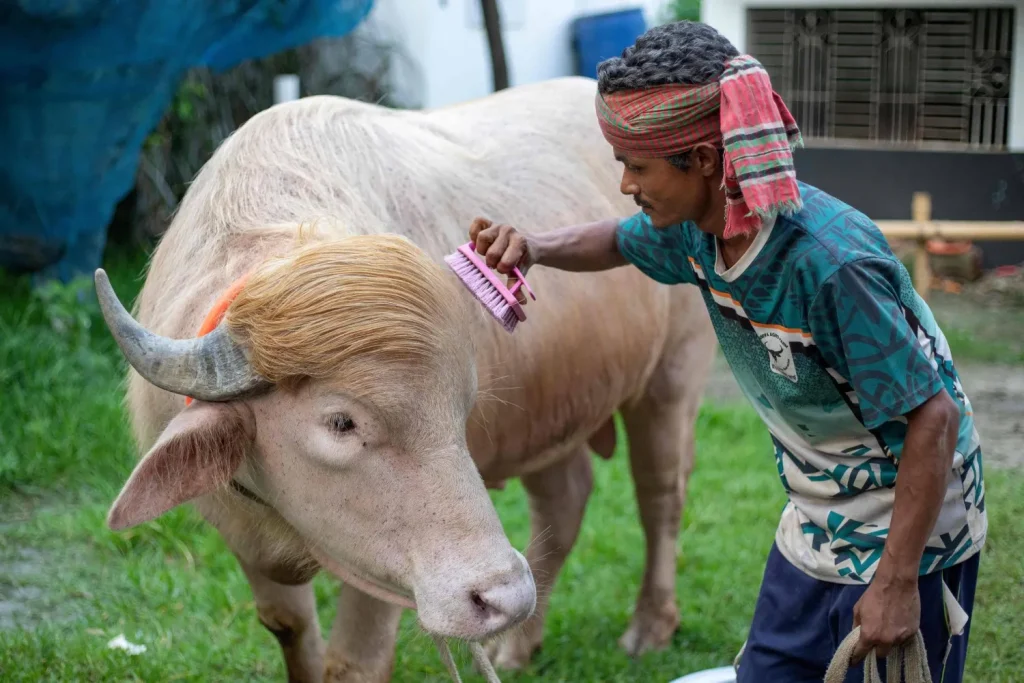
At Rabeya Agro Farm in Narayanganj, a rare white albino buffalo weighing nearly 700 kilograms was affectionately named “Donald Trump.” Because of the golden hair-like patch on its head and its unusual facial expression, the farm owners jokingly gave it the name. However, what began as a simple and humorous naming choice gradually evolved into something much bigger, transforming from a viral social media sensation into a topic involving international diplomacy, state sensitivity, and discussions about Bangladesh’s national identity. At first, people viewed the matter purely as entertainment. Thousands of visitors crowded the farm just to catch a glimpse of the “Donald Trump” buffalo. International media outlets also covered the story as a humorous and unusual event. Major foreign news organizations, including Reuters, CBS, and NDTV, published reports about the buffalo from Bangladesh. However, the situation changed when reports emerged that the viral buffalo was going to be sacrificed during Eid al-Adha. At that point, the issue moved beyond social humor and entered the realm of politics and diplomacy. Eventually, following intervention from the Ministry of Home Affairs, a decision was reportedly made to remove the buffalo from the sacrifice list and relocate it to the national zoo. This is where the idea of “Buffalo Diplomacy” truly emerged. The concept of diplomacy centered around animals is not entirely new in global politics. The most famous example is China’s “Panda Diplomacy.” For decades, China has used pandas as gifts or long-term loans to strengthen friendships, expand soft power, and reinforce political relationships with other countries. Sometimes, even an animal can become a symbol of a nation’s image, strategy, and international messaging, and the controversy surrounding the “Donald Trump” buffalo has highlighted that reality in a new way. Many people jokingly remarked that Bangladesh had unintentionally found itself in its own version of “Buffalo Diplomacy.” One side argues that the government intervened because it understood the potential seriousness of the situation. Today’s global political climate is highly polarized and sensitive. The name “Donald Trump” is no longer merely the name of an individual; it has become a global political symbol. If the buffalo had been sacrificed publicly, some fear that Islamophobic groups, segments of Western media, or political actors could have intentionally misrepresented the event. There were concerns that Bangladesh’s religious culture and Muslim traditions might be portrayed negatively or taken out of context. From this perspective, many believe the government acted to avoid unnecessary diplomatic risks. Critics, however, see the matter very differently. According to them, the fact that a sacrificial animal was named “Donald Trump” should not automatically be interpreted as an international insult. A farm owner has the right to name an animal however they wish, and sacrificing it as part of a religious tradition would have been entirely normal. Critics argue that if the state becomes uncomfortable merely because of a viral name, it reflects a lack of diplomatic confidence. Many have drawn comparisons with India, saying that larger states often face controversies directly and establish their positions more firmly. In contrast, Bangladesh’s excessive caution, in their view, has appeared to symbolize insecurity and defensiveness. Another large group believes the government could have handled the situation in a more mature and strategic way. It may have been possible to preserve the farm owner’s freedom while simultaneously communicating a clear international message. Such an approach could have projected both boldness and confidence, helping create the image of a self-assured state in the eyes of the public. Instead, by attempting to avoid any possible controversy, the government may have unintentionally created a new debate: “Is Bangladesh becoming overly defensive?” That question has now started circulating widely. The incident also attracted international attention. Several foreign media outlets described it as a form of “viral buffalo diplomacy.” Discussions and satire surrounding the issue reportedly spread across certain Iranian and Russian media spaces as well. On social media, many users began linking the controversy to the broader dynamics of contemporary global power politics. Some observers believe that amid ongoing global conflicts, international pressure, and the highly sensitive geopolitical environment surrounding the United States, the Bangladeshi government wanted to remain especially cautious about its international image. Perhaps the intervention was intended to avoid unnecessary attention, questions, or misinterpretations from the U.S. administration. Some consider this decision a sign of foresight, while others see it as an overly defensive reaction from an independent nation. Nevertheless, one thing is clear: what began as humor surrounding a buffalo eventually sparked a much larger debate about Bangladesh’s society, politics, diplomacy, and national self-confidence. While “Panda Diplomacy” represents a carefully planned form of soft power, Bangladesh’s “Buffalo Diplomacy” appeared to emerge completely unintentionally. Yet it still demonstrated how, in today’s world, even an animal can sometimes become the center of international politics, national image, and diplomatic sensitivity. Only time will tell whether the government’s decision was truly far-sighted or whether it will continue to raise even bigger questions in the future.