No woman has been executed in the history of Bangladesh
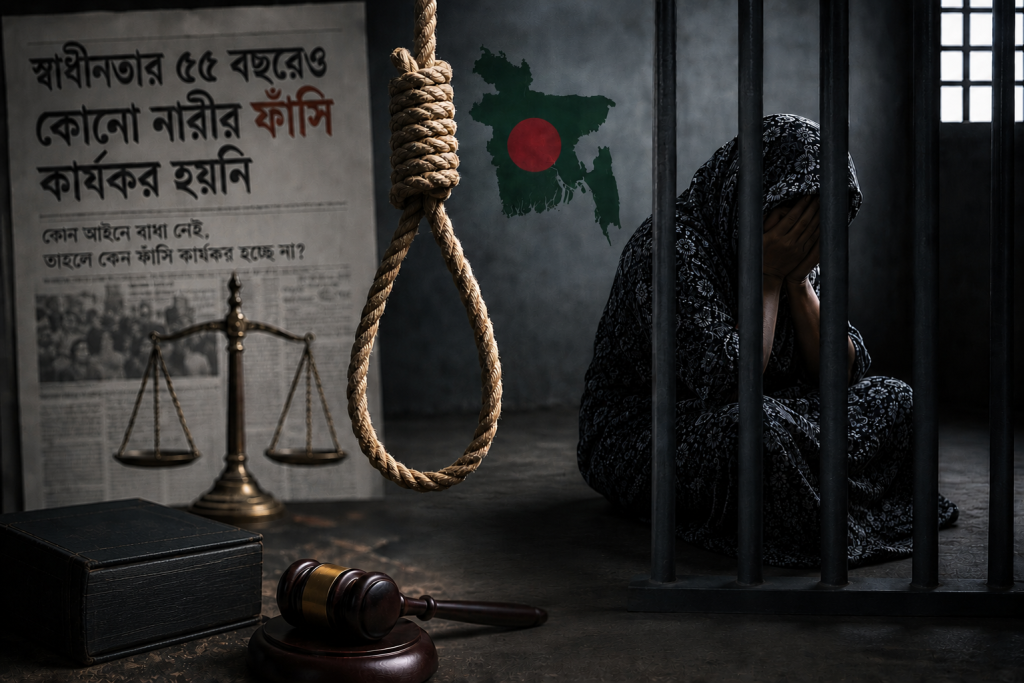
Throughout Bangladesh’s history, more than a hundred women have been sentenced to death for serious crimes. Many have spent years, sometimes decades, inside condemned cells, awaiting the outcome of appeals or a presidential clemency decision. Yet one remarkable fact remains unchanged: since the country’s independence in 1971, not a single woman has been executed in Bangladesh. This stands in stark contrast to the numerous male death-row inmates whose sentences have been carried out over the same period. The question, therefore, is unavoidable: Is there a legal barrier preventing the execution of women, or does the answer lie elsewhere within the country’s justice system? Legal Myth vs. Reality A common misconception persists among the public that Bangladeshi law does not permit the execution of women. Legal experts, however, say this belief is entirely unfounded. Under Bangladesh’s Penal Code and criminal justice system, men and women are subject to the same punishments. Courts may impose the death penalty on female defendants convicted of murder, terrorism, war crimes, or other capital offenses. In fact, numerous women have received death sentences over the years. The distinction lies not in the law itself, but in what happens after a death sentence is handed down. From Death Row to Life Imprisonment In Bangladesh, every death sentence issued by a lower court is automatically reviewed by the High Court Division. Convicted individuals also retain the right to appeal to the Appellate Division of the Supreme Court. It is during this lengthy judicial review process that many death sentences imposed on women are ultimately commuted to life imprisonment or imprisonment for the remainder of their natural lives. One of the most prominent examples is Oishee Rahman, who was sentenced to death in 2015 for the murder of her parents. The High Court later reduced her sentence to life imprisonment after considering factors such as her age, mental condition, personal circumstances, and subsequent surrender to authorities. Similarly, Sharifa Begum spent nearly 24 years under a death sentence before the Appellate Division commuted her punishment to life imprisonment in 2024. Legal practitioners note that courts often take into account social, familial, and humanitarian considerations when reviewing cases involving female defendants, factors that can significantly influence the outcome. The Long Road Through the Appeals Process Before a death sentence can be carried out in Bangladesh, a case must pass through several layers of judicial scrutiny. These generally include: High Court confirmation of the death sentence (Death Reference) Appeal before the Appellate Division Review petition Presidential clemency application Completing these stages can take anywhere from ten to twenty years or even longer. Research on Bangladesh’s death penalty system has found that the average time required for final disposal of death sentence cases often exceeds a decade. As a result, many condemned prisoners remain on death row for years without a final resolution. A notable example is Ayesha Siddika Minni, convicted in the widely publicized Rifat Sharif murder case. Since receiving a death sentence in 2020, she has remained at Kashimpur Women’s Central Jail while her appeal continues through the courts. For many female death-row inmates, the prolonged legal process itself has become a defining feature of their imprisonment. Death Row Inmates, But No Gallows Perhaps one of the most striking aspects of Bangladesh’s prison history is that the country’s largest women’s correctional facility, Kashimpur Women’s Central Jail, was reportedly built without a dedicated execution platform. Prison officials have previously indicated that, because no woman had ever been executed in independent Bangladesh, authorities did not consider such infrastructure a necessity when the facility was established. Today, a significant portion of the country’s female death-row population is housed within that same prison. How Many Women Are on Death Row? According to recent prison statistics, 96 women are currently among Bangladesh’s 2,594 condemned prisoners.(Kaler Kantho) The largest concentration of female death-row inmates is held at Kashimpur Women’s Central Jail in Gazipur. Most were convicted in cases involving murder, family disputes, child killings, or other serious criminal offenses. Several high-profile names have recently been added to the list. Swapna Swapna was sentenced to death in the widely discussed rape and murder case of child victim Ramisa in Savar. The verdict was delivered in what was described as one of the country’s fastest criminal trials. Sheikh Hasina Former Prime Minister Sheikh Hasina has also become one of the most prominent names on the list of female death-row convicts following a verdict delivered by the International Crimes Tribunal. What History Tells Us Archived prison records and media reports indicate that while hundreds of executions have been carried out in Bangladesh since independence, all of those executed have been men. Reports published over the years have consistently noted that although dozens of women were sentenced to death, none ultimately faced execution. As a result, Bangladesh continues to maintain a unique and largely overlooked record: for more than five decades, no woman has been sent to the gallows. Will the Record Be Broken? For now, the answer remains uncertain. On one hand, courts continue to impose death sentences on female offenders in cases deemed exceptionally grave. On the other hand, judicial review, lengthy appeals, humanitarian considerations, and evolving legal standards frequently result in those sentences being reduced or overturned before reaching the stage of execution. Consequently, the extraordinary record remains intact. Fifty-five years after independence, Bangladesh has never executed a woman. Whether that record survives the years ahead or eventually becomes history itself will depend on the decisions of the courts, the state, and the evolving direction of the country’s justice system.
বাংলাদেশের ইতিহাসে কোনো নারীর ফাঁসি কার্যকর হয়নি
বাংলাদেশের ইতিহাসে শতাধিক নারী আসামি মৃত্যুদণ্ডপ্রাপ্ত হয়েছে। তাদের অনেকেই বছরের পর বছর ধরে কনডেম সেলে বন্দি জীবন কাটাচ্ছেন, প্রতিদিন অপেক্ষা করছেন আদালতের চূড়ান্ত সিদ্ধান্ত কিংবা রাষ্ট্রপতির ক্ষমার রায়ের জন্য। কিন্তু বিস্ময়কর একটি বাস্তবতা হলো ১৯৭১ সালে স্বাধীনতার পর থেকে আজ পর্যন্ত বাংলাদেশের ইতিহাসে কোনো নারীর ফাঁসি কার্যকর হয়নি। অথচ একই সময়ে শত শত পুরুষ মৃত্যুদণ্ডপ্রাপ্ত আসামির সাজা কার্যকর হয়েছে। এই দীর্ঘ ৫৫ বছরের ব্যতিক্রমী ধারার পেছনে কি আইনি কোনো বাধা রয়েছে, নাকি বিচারব্যবস্থার অন্য কোনো বাস্তবতা কাজ করছে? আইনি মিথ বনাম বাস্তবতা সাধারণ মানুষের মধ্যে একটি প্রচলিত ধারণা রয়েছে যে বাংলাদেশের আইন হয়তো নারীদের মৃত্যুদণ্ড কার্যকর করার অনুমতি দেয় না। বাস্তবে ধারণাটি সম্পূর্ণ ভুল। বাংলাদেশের দণ্ডবিধি ও ফৌজদারি বিচারব্যবস্থায় নারী ও পুরুষের জন্য শাস্তির বিধান সমান। হত্যা, যুদ্ধাপরাধ, সন্ত্রাসবাদ বা অন্যান্য গুরুতর অপরাধে আদালত প্রয়োজন মনে করলে নারী আসামিকেও মৃত্যুদণ্ড দিতে পারে। বাস্তবেও বিভিন্ন সময়ে বহু নারীকে মৃত্যুদণ্ড দেওয়া হয়েছে। তবে রায় ঘোষণার পর শুরু হয় দীর্ঘ আইনি প্রক্রিয়া, আর সেখানেই বদলে যায় অধিকাংশ মামলার পরিণতি। মৃত্যুদণ্ড থেকে যাবজ্জীবন: উচ্চ আদালতের ভূমিকা বাংলাদেশে কোনো নিম্ন আদালত মৃত্যুদণ্ড দিলে তা স্বয়ংক্রিয়ভাবে হাইকোর্টে অনুমোদনের জন্য যায়। এরপর আপিল বিভাগে চ্যালেঞ্জ করার সুযোগ থাকে। এই দীর্ঘ বিচারিক পর্যালোচনায় বহু নারী আসামির মৃত্যুদণ্ড কমে যায় যাবজ্জীবন বা আমৃত্যু কারাদণ্ডে। সবচেয়ে আলোচিত উদাহরণ হলো ঐশী রহমান। ২০১৫ সালে নিজের বাবা-মাকে হত্যার দায়ে মৃত্যুদণ্ডপ্রাপ্ত হলেও পরবর্তীতে হাইকোর্ট তার সাজা কমিয়ে যাবজ্জীবন কারাদণ্ডে রূপান্তর করে। আদালত রায়ে তার বয়স, মানসিক অবস্থা, অপরাধ সংঘটনের প্রেক্ষাপট এবং আত্মসমর্পণের বিষয়গুলো বিবেচনায় নেয়। একইভাবে শরিফা বেগম প্রায় ২৪ বছর মৃত্যুদণ্ডপ্রাপ্ত অবস্থায় কারাগারে থাকার পর ২০২৪ সালে আপিল বিভাগে তার সাজা কমিয়ে যাবজ্জীবন করা হয়। আইনজীবীদের মতে, নারী আসামিদের ক্ষেত্রে আদালত প্রায়ই সামাজিক, পারিবারিক ও মানবিক প্রেক্ষাপটকে গুরুত্ব দিয়ে থাকে, যা অনেক সময় চূড়ান্ত শাস্তি পরিবর্তনে ভূমিকা রাখে। বছরের পর বছর ঝুলে থাকা আপিল বাংলাদেশে মৃত্যুদণ্ড কার্যকর করার আগে একাধিক স্তরের বিচারিক অনুমোদন প্রয়োজন। প্রক্রিয়াটি সাধারণত নিম্নোক্ত ধাপ অতিক্রম করে : হাইকোর্টে ডেথ রেফারেন্স শুনানি আপিল বিভাগে আপিল রিভিউ আবেদন রাষ্ট্রপতির কাছে প্রাণভিক্ষা এই প্রতিটি ধাপ সম্পন্ন হতে অনেক সময় ১০ থেকে ২০ বছরেরও বেশি সময় লেগে যায়। গবেষণায় দেখা গেছে, মৃত্যুদণ্ড সংক্রান্ত মামলার চূড়ান্ত নিষ্পত্তিতে গড়ে এক দশকেরও বেশি সময় লাগতে পারে। বরগুনার আলোচিত রিফাত শরীফ হত্যা মামলার দণ্ডপ্রাপ্ত আসামি আয়েশা সিদ্দিকা মিন্নি ২০২০ সাল থেকে কাশিমপুর মহিলা কেন্দ্রীয় কারাগারে রয়েছেন। তার আপিল এখনো বিচারাধীন। ফলে অনেক নারী বন্দি বছরের পর বছর কনডেম সেলে থাকলেও তাদের মামলার চূড়ান্ত নিষ্পত্তি হয় না। মৃত্যুদণ্ডপ্রাপ্ত নারী আছে, কিন্তু ফাঁসির মঞ্চ নেই বাংলাদেশের কারা ইতিহাসে সবচেয়ে বিস্ময়কর তথ্যগুলোর একটি হলো দেশের বৃহত্তম নারী কারাগার কাশিমপুর মহিলা কেন্দ্রীয় কারাগারে দীর্ঘদিন কোনো ফাঁসির মঞ্চ নির্মাণ করা হয়নি। কারা কর্মকর্তারা অতীতে জানিয়েছেন, স্বাধীনতার পর কোনো নারীর মৃত্যুদণ্ড কার্যকর না হওয়ায় কারাগার নির্মাণের সময় সেখানে আলাদা ফাঁসির মঞ্চের প্রয়োজনীয়তা বিবেচনা করা হয়নি। বর্তমানে মৃত্যুদণ্ডপ্রাপ্ত নারী বন্দিদের বড় অংশই এই কারাগারে রয়েছেন। কারাগারে কতজন নারী মৃত্যুদণ্ডপ্রাপ্ত? সাম্প্রতিক কারা পরিসংখ্যান অনুযায়ী, বাংলাদেশের বিভিন্ন কারাগারে মোট ২,৫৯৪ জন মৃত্যুদণ্ডপ্রাপ্ত বন্দির মধ্যে ৯৬ জন নারী (কালের কন্ঠ)। তাদের মধ্যে সবচেয়ে বেশি বন্দি গাজীপুরের কাশিমপুর মহিলা কেন্দ্রীয় কারাগারে। এই নারীদের অধিকাংশই হত্যা, পারিবারিক বিরোধ, শিশু হত্যা অথবা আলোচিত অপরাধমূলক মামলায় দণ্ডিত। সাম্প্রতিক সময়ে এ তালিকায় যুক্ত হয়েছে কয়েকটি বহুল আলোচিত নাম স্বপ্না সাভারের শিশু রামিসা ধর্ষণ ও হত্যা মামলায় দ্রুততম সময়ের বিচারে প্রধান আসামি সোহেল রানার সহযোগী স্বপ্নাকে মৃত্যুদণ্ড দেওয়া হয়েছে। শেখ হাসিনা আন্তর্জাতিক অপরাধ ট্রাইব্যুনালের রায়ের পর সাবেক প্রধানমন্ত্রী শেখ হাসিনার নামও মৃত্যুদণ্ডপ্রাপ্ত নারীদের আলোচিত তালিকায় যুক্ত হয়েছে। ইতিহাস কী বলে? কারা অধিদপ্তরের বিভিন্ন তথ্য এবং সংবাদপত্রের সংরক্ষিত প্রতিবেদনে দেখা যায়, স্বাধীনতার পর বাংলাদেশে শত শত মৃত্যুদণ্ড কার্যকর হলেও সেগুলোর সবই ছিল পুরুষ আসামির ক্ষেত্রে। ২০১০ সালে প্রকাশিত এক প্রতিবেদনে উল্লেখ করা হয়, স্বাধীনতার পর ৪০০-এর বেশি ব্যক্তির ফাঁসি কার্যকর হয়েছিল, কিন্তু মৃত্যুদণ্ডপ্রাপ্ত অন্তত কয়েক ডজন নারীর কারও সাজা কার্যকর হয়নি। ২০২৪ সালেও দেশের সর্বোচ্চ আদালতের এক রায়ে পুনরায় উল্লেখ করা হয় যে, বাংলাদেশের ইতিহাসে এখনো কোনো নারীর মৃত্যুদণ্ড কার্যকর হওয়ার নজির নেই। ভবিষ্যতে কি ভাঙবে এই ৫৫ বছরের রেকর্ড? প্রশ্নটি এখনো উন্মুক্ত। একদিকে আদালত নিয়মিতভাবে নারী আসামিদের মৃত্যুদণ্ড দিচ্ছেন। অন্যদিকে উচ্চ আদালতের পুনর্বিবেচনা, দীর্ঘ আপিল প্রক্রিয়া, মানবিক বিবেচনা এবং বিচারিক নজরদারির কারণে সেই রায়গুলোর বড় অংশই পরিবর্তিত হচ্ছে। ফলে স্বাধীন বাংলাদেশের ৫৫ বছরের ইতিহাসে যে ব্যতিক্রমী রেকর্ড তৈরি হয়েছে, “কোনো নারীর ফাঁসি কার্যকর হয়নি” তা এখনো অটুট রয়েছে। তবে বর্তমানে কনডেম সেলে থাকা প্রায় একশ নারী বন্দির ভাগ্যে শেষ পর্যন্ত কী অপেক্ষা করছে, সেই উত্তর ভবিষ্যতের আদালত ও রাষ্ট্রীয় সিদ্ধান্তই নির্ধারণ করবে।
একটি হেডবাট, এক বিশ্বকাপ, এক কিংবদন্তির বিতর্কিত বিদায়
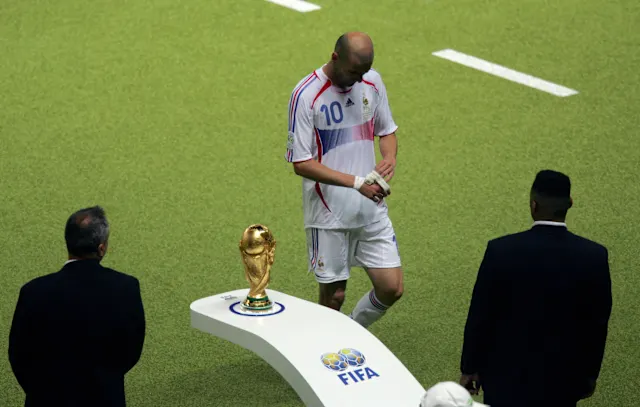
ফুটবল ইতিহাসে খুব কম মুহূর্তই আছে যা ২০০৬ বিশ্বকাপ ফাইনালে ফরাসি অধিনায়ক জিনেদিন জিদান এবং ইতালিয়ান ডিফেন্ডার মার্কো মাতেরাজ্জিকে ঘিরে ঘটে যাওয়া ঘটনার মতো এত বিতর্ক, আবেগ এবং দীর্ঘস্থায়ী আলোচনার জন্ম দিয়েছে। ২০০৬ সালের ৯ জুলাই, বার্লিনের অলিম্পিয়াস্টাডিয়নে বিশ্বের কোটি কোটি ফুটবলপ্রেমী জড়ো হয়েছিল এমন এক মুহূর্তের সাক্ষী হতে, যা অনেকের ধারণা ছিল ফুটবল ইতিহাসের অন্যতম সেরা খেলোয়াড়ের গৌরবময় বিদায়কে স্মরণীয় করে রাখবে। কিন্তু সেই ম্যাচ শেষ পর্যন্ত জন্ম দেয় এমন একটি দৃশ্যের, যা বিশ্বকাপ ইতিহাসের সবচেয়ে আলোচিত ও বিতর্কিত মুহূর্তগুলোর একটি হয়ে ওঠে। অতিরিক্ত সময়ের খেলায় ফ্রান্স ও ইতালির মধ্যে স্কোর ছিল ১-১। পেনাল্টি শুটআউটের সম্ভাবনা সামনে রেখে উত্তেজনা তখন তুঙ্গে, আর মাঠের প্রতিটি মুহূর্ত ছিল অত্যন্ত গুরুত্বপূর্ণ। ঠিক তখনই ঘটে সেই ঘটনা, যা বিশ্বজুড়ে কোটি দর্শককে স্তম্ভিত করে দেয়। হঠাৎ করেই জিদান ঘুরে দাঁড়িয়ে মাতেরাজ্জির বুকে মাথা দিয়ে আঘাত করেন। ইতালিয়ান ডিফেন্ডার মাটিতে লুটিয়ে পড়েন, আর পুরো স্টেডিয়ামে ছড়িয়ে পড়ে বিস্ময় ও বিভ্রান্তি। কিছুক্ষণ পর ম্যাচ কর্মকর্তাদের পরামর্শের ভিত্তিতে জিদানকে লাল কার্ড দেখানো হয়। এটাই ছিল তার বর্ণাঢ্য ক্যারিয়ারের শেষ ম্যাচ। লাল কার্ড পাওয়ার পর যখন জিদান ধীরে ধীরে মাঠ ছেড়ে ড্রেসিংরুমের দিকে হাঁটছিলেন, তখন ফুটবল বিশ্ব প্রত্যক্ষ করেছিল ইতিহাসের অন্যতম শক্তিশালী ও প্রতীকী এক দৃশ্য—একজন কিংবদন্তি খেলোয়াড় ফুটবলের সবচেয়ে বড় মঞ্চ ছেড়ে যাচ্ছেন, কিন্তু তা বিজয়ের উল্লাসে নয়; বরং বিতর্কের আবহে। বহু বছর ধরে এই প্রশ্নটি আলোচনার কেন্দ্রবিন্দুতে ছিল—মাতেরাজ্জি ঠিক কী বলেছিলেন, যা জিদানকে এমন প্রতিক্রিয়া দেখাতে বাধ্য করেছিল? পরবর্তীতে দুই খেলোয়াড়ের বক্তব্য থেকে ঘটনার কিছুটা ব্যাখ্যা পাওয়া যায়। মাতেরাজ্জি স্বীকার করেন যে তিনি কথোপকথনের সময় জিদানের বোনকে নিয়ে মন্তব্য করেছিলেন। পরে তিনি সেই মন্তব্যকে “বোকামিপূর্ণ” বলে উল্লেখ করেন, যদিও তার দাবি ছিল এমন মন্তব্য কখনোই শারীরিক আক্রমণের কারণ হতে পারে না। অন্যদিকে জিদানের ব্যাখ্যা ছিল ভিন্ন। ফরাসি কিংবদন্তি জানান, তার পরিবার—বিশেষ করে তার মা ও বোনকে নিয়ে করা অপমানজনক মন্তব্য তার ব্যক্তিগত সীমারেখা অতিক্রম করেছিল। তিনি বলেন, এমন মন্তব্য তাকে শারীরিক সংঘর্ষের চেয়েও বেশি আঘাত করেছিল। ফলে ঘটনাটি শুধুমাত্র একটি ফুটবল বিতর্কে সীমাবদ্ধ থাকেনি; বরং সম্মান, মর্যাদা এবং আবেগের সীমা নিয়ে বৃহত্তর আলোচনার জন্ম দেয়। ফুটবলীয় দৃষ্টিকোণ থেকে এই লাল কার্ড ফ্রান্সের জন্য বড় ধাক্কা ছিল। জিদান ইতোমধ্যেই পেনাল্টি থেকে দলের হয়ে গোল করেছিলেন এবং পুরো দলের সবচেয়ে প্রভাবশালী খেলোয়াড় ছিলেন। ম্যাচের শেষ মুহূর্তে তার অনুপস্থিতি ফ্রান্সকে তাদের নেতা, সবচেয়ে অভিজ্ঞ পেনাল্টি শুটার এবং মানসিকভাবে সবচেয়ে গুরুত্বপূর্ণ খেলোয়াড়কে হারানোর সমান ছিল। শেষ পর্যন্ত ম্যাচ গড়ায় টাইব্রেকারে, যেখানে ইতালি ৫-৩ ব্যবধানে জয়ী হয়ে নিজেদের চতুর্থ বিশ্বকাপ শিরোপা নিশ্চিত করে। অনেক বিশ্লেষকের মতে, জিদান যদি মাঠে থাকতেন, তাহলে ফলাফল ভিন্নও হতে পারত। যদিও এ ধরনের আলোচনা অনুমানের পর্যায়ে পড়ে, তবে এ বিষয়ে খুব কমই দ্বিমত রয়েছে যে অধিনায়কের বিদায় ফ্রান্সকে বড় ধরনের অসুবিধায় ফেলেছিল। প্রায় দুই দশক পরও এই ঘটনাকে ঘিরে মতভেদ রয়ে গেছে। সমালোচকদের মতে, এটি ছিল একজন মহান খেলোয়াড়ের ক্ষণিকের আত্মনিয়ন্ত্রণ হারানোর ঘটনা, যা তার অসাধারণ ক্যারিয়ারের ওপর একটি বিতর্কিত ছাপ ফেলে দিয়েছে। তাদের যুক্তি, পরিস্থিতি যতই উত্তেজনাপূর্ণ হোক না কেন, জিদানের মতো একজন খেলোয়াড়ের উচিত ছিল বিশ্বের সবচেয়ে গুরুত্বপূর্ণ ফুটবল ম্যাচে নিজের সংযম ধরে রাখা। অন্যদিকে অনেকেই ঘটনাটিকে ভিন্নভাবে দেখেন। তাদের মতে, এটি কেবল হতাশা বা রাগের বহিঃপ্রকাশ ছিল না; বরং পরিবারের প্রতি করা অপমানজনক মন্তব্যের বিরুদ্ধে আবেগপ্রসূত প্রতিক্রিয়া ছিল। এই দৃষ্টিভঙ্গি মনে করিয়ে দেয় যে বিশ্বসেরা ক্রীড়াবিদরাও শেষ পর্যন্ত মানুষ, এবং মানুষের মতো তারাও আবেগের সীমায় পৌঁছাতে পারেন। এ কারণেই ঘটনাটি আজও আলোচনায় রয়েছে। এটি পেশাদার দায়িত্ববোধ এবং ব্যক্তিগত মূল্যবোধ এই দুই আদর্শের সংঘর্ষকে স্পষ্টভাবে তুলে ধরে। ২০০৬ সালের বিশ্বকাপ ফাইনাল শুধু ইতালির শিরোপা জয়ের জন্য স্মরণীয় নয়; এটি স্মরণীয় কারণ ম্যাচটি বিশ্বকে দেখিয়েছিল এলিট পর্যায়ের খেলাধুলার মানবিক দিকটিও। জিদানের ক্যারিয়ারের শেষ অধ্যায় কোনো বিজয়সূচক গোল বা ট্রফি উঁচিয়ে ধরার মুহূর্ত দিয়ে শেষ হয়নি। বরং শেষ হয়েছিল এমন এক ঘটনায়, যা আজও ফুটবল সমর্থকদের মধ্যে বিতর্ক, বিশ্লেষণ এবং আবেগের জন্ম দেয়। এটিকে কেউ ক্ষমার অযোগ্য ভুল হিসেবে দেখেন, আবার কেউ ব্যক্তিগত অপমানের বিরুদ্ধে স্বাভাবিক মানবিক প্রতিক্রিয়া হিসেবে ব্যাখ্যা করেন। কিন্তু ব্যাখ্যা যাই হোক, ঘটনাটি ফুটবল ইতিহাসের সবচেয়ে স্মরণীয় অধ্যায়গুলোর একটি হয়ে থাকবে। প্রায় বিশ বছর পরও সেই দৃশ্যটি ফুটবলপ্রেমীদের মনে গেঁথে আছে লাল কার্ড দেখার পর বিশ্বকাপ ট্রফির পাশ দিয়ে হেঁটে যাচ্ছেন জিনেদিন জিদান। এটি এমন এক বিদায়ের প্রতীক, যা শুধু সাফল্য ও প্রতিভার গল্প নয়; বরং মানবিক আবেগ, ব্যক্তিগত মূল্যবোধ এবং পেশাদার প্রতিযোগিতার জটিল সম্পর্কেরও এক চিরস্থায়ী স্মারক।
Zidane’s Headbutt: The Defining Moment That Changed a World Cup Final
Few moments in football history have generated as much debate, emotion, and enduring fascination as the incident involving French captain Zinedine Zidane and Italian defender Marco Materazzi during the 2006 FIFA World Cup final. On July 9, 2006, inside Berlin’s Olympiastadion, the football world gathered to witness what was expected to be the crowning moment of one of the sport’s greatest players. Instead, the match produced an image that would become one of the most iconic and controversial scenes in World Cup history. France and Italy were locked at 1–1 deep into extra time. With penalties looming, tensions were high, and every action carried enormous significance. Then came the moment that stunned millions. Without warning, Zidane turned toward Materazzi and drove his head into the Italian defender’s chest. Materazzi collapsed to the ground, and confusion spread throughout the stadium. Moments later, after consultation among the officiating team, Zidane was shown a red card. It was the final match of his illustrious career. As Zidane slowly walked past the World Cup trophy on his way to the dressing room, football witnessed one of its most powerful and symbolic images: a legendary player leaving the game’s grandest stage not in celebration, but in controversy. For years, speculation surrounded what had been said between the two players in the moments before the headbutt. Subsequent accounts from both men helped clarify the situation. Materazzi later acknowledged that he had made comments involving Zidane’s sister during an exchange between the pair. While he described the remarks as “stupid,” he maintained that they did not justify a physical response. Zidane, however, offered a different perspective. The French icon explained that insults directed toward his family, particularly his mother and sister, crossed a deeply personal line. He stated that such remarks affected him more profoundly than physical challenges on the pitch. His explanation transformed public discussion of the incident from a purely sporting controversy into a broader conversation about respect, dignity, and emotional limits. From a footballing perspective, the dismissal proved costly. Zidane had already scored France’s opening goal from the penalty spot and remained the team’s most influential figure. His absence during the closing stages of extra time deprived France of its leader, most experienced penalty taker, and emotional focal point. The match eventually proceeded to a penalty shootout, where Italy prevailed 5–3 to secure its fourth World Cup title. Many analysts have since argued that Zidane’s presence during the shootout could have altered the outcome. While such scenarios remain speculative, there is little disagreement that France lost a critical advantage when their captain was sent off. Nearly two decades later, opinions remain divided. Critics view the incident as a momentary loss of composure that overshadowed an extraordinary career. They argue that, regardless of provocation, a player of Zidane’s stature had a responsibility to maintain discipline during the most important match in world football. Others interpret the episode differently. For them, the headbutt was not merely an act of frustration but an emotional response to comments perceived as deeply offensive toward family members. In this view, the incident reflects the complex reality that elite athletes, despite their achievements and fame, remain human beings capable of reaching emotional breaking points. The debate persists because the event exists at the intersection of two competing ideals: professional responsibility and personal conviction. The 2006 World Cup final is remembered not only because Italy lifted the trophy, but because it revealed the intensely human side of elite sport. Zidane’s final act as a professional footballer was neither a winning goal nor a championship celebration. Instead, it was a moment of emotion that continues to provoke discussion across generations of football supporters. Whether viewed as an unforgivable mistake or an understandable reaction to personal insult, the incident remains one of football’s most enduring stories. Nearly twenty years later, the image still resonates: Zidane walking past the World Cup trophy after receiving a red card, leaving behind a legacy defined not only by brilliance and success, but also by one unforgettable moment that demonstrated how personal values, human emotion, and professional competition can collide on football’s biggest stage.