Bangladesh Football Set for Landmark European Debut Against San Marino
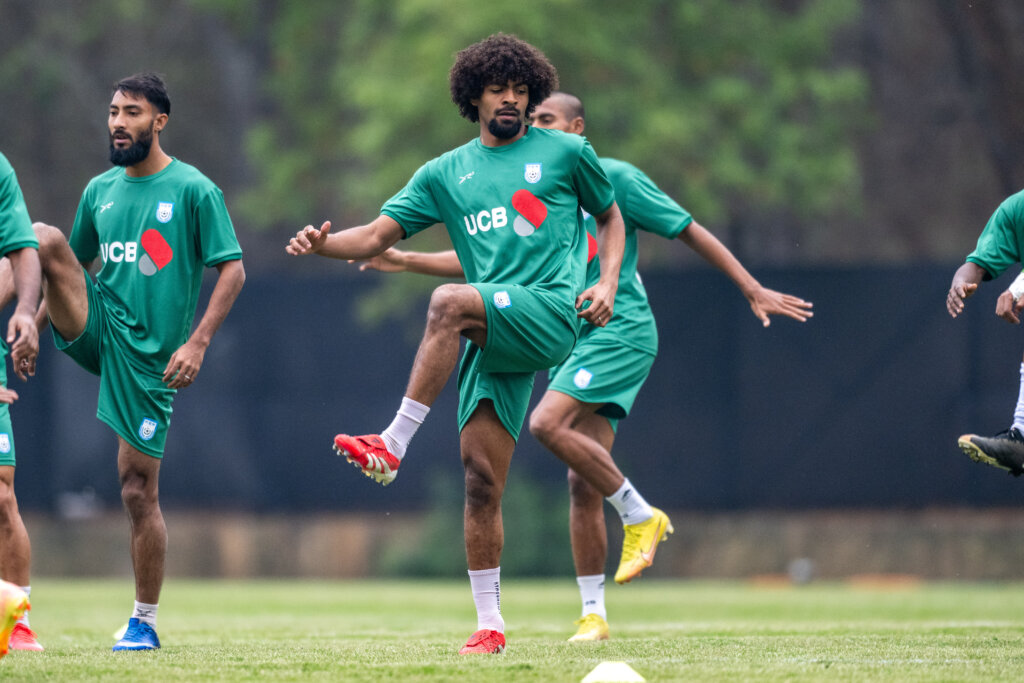
Bangladesh is set to make football history as the national team prepares to play its first-ever international match on European soil. The historic fixture will take place on June 5, 2026, when Bangladesh faces San Marino in an international friendly at the San Marino Stadium in Serravalle. The match marks a significant milestone for Bangladeshi football, which has never before played an international fixture in Europe. It will also be the first-ever meeting between Bangladesh and a European national team, making the occasion a landmark event for the country’s footballing journey. The Bangladesh squad and coaching staff have already arrived in San Marino ahead of the match. Preparations are underway as the team looks to make the most of this unique opportunity and deliver a memorable performance on a new continental stage. While the match is a friendly, its historical significance extends far beyond the result. For Bangladesh, the fixture represents growing international engagement and an opportunity to gain valuable experience against European opposition. Football supporters across Bangladesh have expressed excitement ahead of the encounter. Many see the match as a symbol of the sport’s gradual development in the country and a chance for the national team to showcase its progress to a wider audience. The fixture comes as Bangladesh continues its efforts to strengthen its position in international football. Playing in Europe for the first time is expected to provide players with exposure to different footballing environments and competitive standards. Regardless of the outcome, June 5 is expected to be remembered as a milestone date in the history of Bangladeshi football. As the national team takes the field in Serravalle, it will open a new chapter for the sport, carrying the hopes of millions of supporters back home.
Tofail Ahmed’s Political Push, Zia’s Support, and Osmani’s Ultimatum: How Cadet Colleges Survived a National Crisis
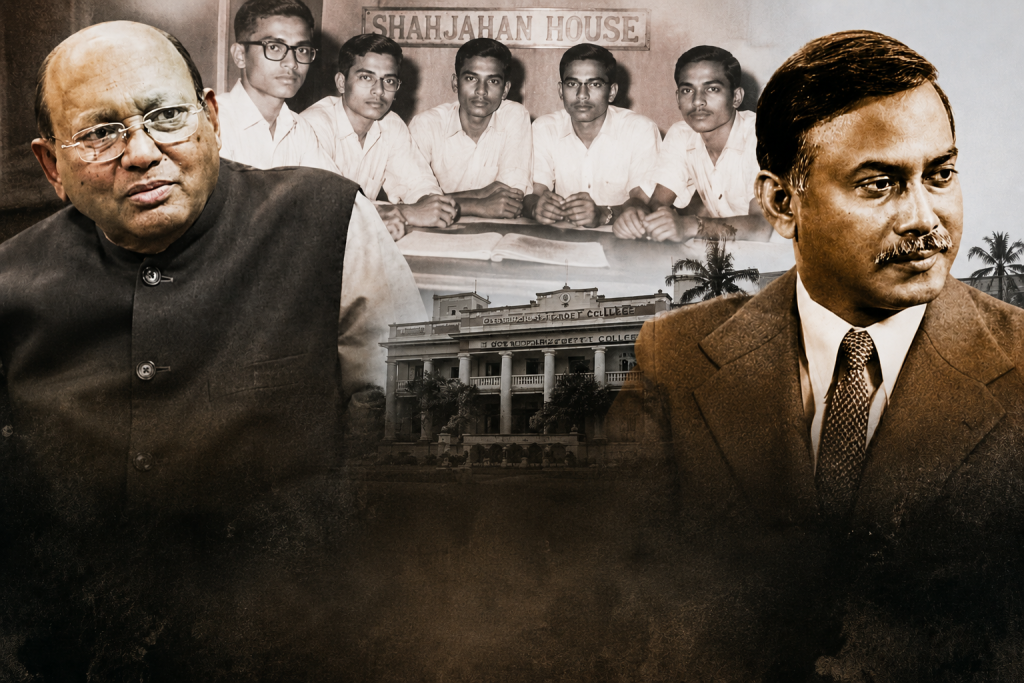
A meeting. Only five cadets. And one decision: student politics would not be allowed to enter cadet colleges. After that decision in 1972, a chain of events began that eventually pushed the very existence of all cadet colleges in the country into crisis. Later, the initiative of the cadets, the support of military officers, and the firm stance of General M A G Osmani brought a new turn to that history. Bangabandhu’s political assistant, Mr. Tofail Ahmed, visited the Faujdarhat Cadet College in 1972 with the aim of creating a political wing for students. At that time, five cadets led by Anwarul Haque gathered in a meeting at “Shahjahan House.” Along with Anwarul Haque, the meeting was attended by the late Kayyumul Huda, M A Tarek, Minu Khadem, and M Nurur Rahman. There, it was decided that student politics must not be allowed to enter the cadet colleges under any circumstances. For this reason, everyone agreed to tell others not to attend Tofail Ahmed’s political meeting. Not only that, but they also decided to persuade everyone not to go to the auditorium that day. The result was significant. Tofail Ahmed had to return empty-handed. He became angry with all cadet colleges. Just 10 days later, news came through radio, television, and newspapers that the then four cadet colleges Faujdarhat, Jhenidah, Mirzapur, and Rajshahi had been declared abolished. In a “Presidential Ordinance” (PO) signed by Bangabandhu, the abolition of cadet colleges was announced. It was stated there that from then on these institutions would be treated as general government colleges under the Ministry of Education. After this announcement, the same five people again held a meeting at “Shahjahan House.” The subject of the meeting was: “What should we do, and what must we do, to preserve cadet colleges in Bangladesh?” It was decided there that opinions would be collected from cadets of all batches in all colleges in favor of keeping cadet colleges alive. This initiative was named the “Keep Cadet Colleges Campaign.” Every cadet at that time supported the campaign. The senior cadets in charge of the campaign later came to Dhaka and met Colonel Chowdhury M Mohsin, an ex-cadet of Faujdarhat and an officer in the armed forces. He advised them to meet Brigadier Ziaur Rahman for consultation and guidance. Following his advice, an appointment was made with Ziaur Rahman. One evening, they went to his residence at Dhaka Cantonment regarding the matter. There, Brigadier Ziaur Rahman spoke over the phone with General M A G Osmani about the future and necessity of cadet colleges. Ziaur Rahman then remarked, “If General Osmani cannot do it, no one in Bangladesh can stop the abolition of cadet colleges.” Although he was a cabinet member, General Osmani knew nothing about the government’s decision to abolish cadet colleges. After learning about it, he expressed strong anger and concern. He said that he would speak to Bangabandhu about it that very day. Later, he contacted Bangabandhu through the red phone. He asked Bangabandhu, “Who advised him to abolish the cadet colleges, and how was such a move made without my knowledge?” While speaking with Bangabandhu in both Bangla and English, his anger and concern were clearly evident. He emphasized the importance of cadet colleges in the country’s education system and said that the PO abolishing cadet colleges should be revoked. At one point in that discussion, Osmani made his position clear. His final words were: “Cadet colleges will stay, I will stay; otherwise, I will resign.” “If cadet colleges stay, I stay; otherwise, I resign.” Due to Tofail Ahmed’s frustration in 1972–73 over not being able to form the student league committee, or because of the politicization of educational institutions, the country’s renowned cadet colleges would otherwise have been destroyed today by internal factionalism.