From Sacrificial List to National Zoo: The Crazy Story of Bangladesh’s “Donald Trump” Buffalo
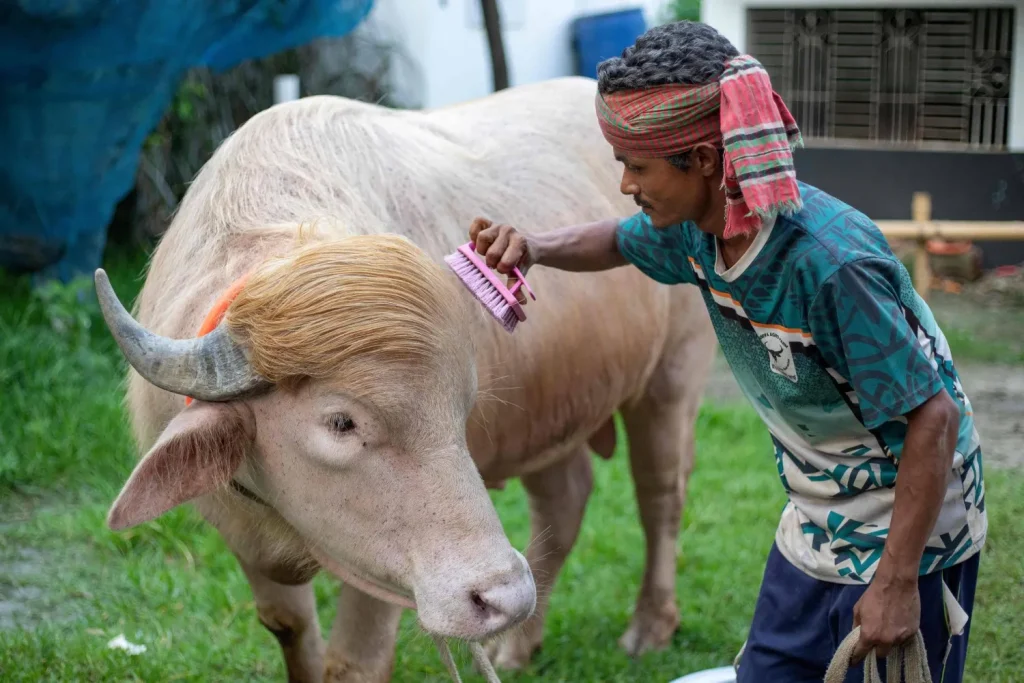
At Rabeya Agro Farm in Narayanganj, a rare white albino buffalo weighing nearly 700 kilograms was affectionately named “Donald Trump.” Because of the golden hair-like patch on its head and its unusual facial expression, the farm owners jokingly gave it the name. However, what began as a simple and humorous naming choice gradually evolved into something much bigger, transforming from a viral social media sensation into a topic involving international diplomacy, state sensitivity, and discussions about Bangladesh’s national identity. At first, people viewed the matter purely as entertainment. Thousands of visitors crowded the farm just to catch a glimpse of the “Donald Trump” buffalo. International media outlets also covered the story as a humorous and unusual event. Major foreign news organizations, including Reuters, CBS, and NDTV, published reports about the buffalo from Bangladesh. However, the situation changed when reports emerged that the viral buffalo was going to be sacrificed during Eid al-Adha. At that point, the issue moved beyond social humor and entered the realm of politics and diplomacy. Eventually, following intervention from the Ministry of Home Affairs, a decision was reportedly made to remove the buffalo from the sacrifice list and relocate it to the national zoo. This is where the idea of “Buffalo Diplomacy” truly emerged. The concept of diplomacy centered around animals is not entirely new in global politics. The most famous example is China’s “Panda Diplomacy.” For decades, China has used pandas as gifts or long-term loans to strengthen friendships, expand soft power, and reinforce political relationships with other countries. Sometimes, even an animal can become a symbol of a nation’s image, strategy, and international messaging, and the controversy surrounding the “Donald Trump” buffalo has highlighted that reality in a new way. Many people jokingly remarked that Bangladesh had unintentionally found itself in its own version of “Buffalo Diplomacy.” One side argues that the government intervened because it understood the potential seriousness of the situation. Today’s global political climate is highly polarized and sensitive. The name “Donald Trump” is no longer merely the name of an individual; it has become a global political symbol. If the buffalo had been sacrificed publicly, some fear that Islamophobic groups, segments of Western media, or political actors could have intentionally misrepresented the event. There were concerns that Bangladesh’s religious culture and Muslim traditions might be portrayed negatively or taken out of context. From this perspective, many believe the government acted to avoid unnecessary diplomatic risks. Critics, however, see the matter very differently. According to them, the fact that a sacrificial animal was named “Donald Trump” should not automatically be interpreted as an international insult. A farm owner has the right to name an animal however they wish, and sacrificing it as part of a religious tradition would have been entirely normal. Critics argue that if the state becomes uncomfortable merely because of a viral name, it reflects a lack of diplomatic confidence. Many have drawn comparisons with India, saying that larger states often face controversies directly and establish their positions more firmly. In contrast, Bangladesh’s excessive caution, in their view, has appeared to symbolize insecurity and defensiveness. Another large group believes the government could have handled the situation in a more mature and strategic way. It may have been possible to preserve the farm owner’s freedom while simultaneously communicating a clear international message. Such an approach could have projected both boldness and confidence, helping create the image of a self-assured state in the eyes of the public. Instead, by attempting to avoid any possible controversy, the government may have unintentionally created a new debate: “Is Bangladesh becoming overly defensive?” That question has now started circulating widely. The incident also attracted international attention. Several foreign media outlets described it as a form of “viral buffalo diplomacy.” Discussions and satire surrounding the issue reportedly spread across certain Iranian and Russian media spaces as well. On social media, many users began linking the controversy to the broader dynamics of contemporary global power politics. Some observers believe that amid ongoing global conflicts, international pressure, and the highly sensitive geopolitical environment surrounding the United States, the Bangladeshi government wanted to remain especially cautious about its international image. Perhaps the intervention was intended to avoid unnecessary attention, questions, or misinterpretations from the U.S. administration. Some consider this decision a sign of foresight, while others see it as an overly defensive reaction from an independent nation. Nevertheless, one thing is clear: what began as humor surrounding a buffalo eventually sparked a much larger debate about Bangladesh’s society, politics, diplomacy, and national self-confidence. While “Panda Diplomacy” represents a carefully planned form of soft power, Bangladesh’s “Buffalo Diplomacy” appeared to emerge completely unintentionally. Yet it still demonstrated how, in today’s world, even an animal can sometimes become the center of international politics, national image, and diplomatic sensitivity. Only time will tell whether the government’s decision was truly far-sighted or whether it will continue to raise even bigger questions in the future.
What is Cockroach Janta Party? The Full Story of the Viral Youth Anger Movement
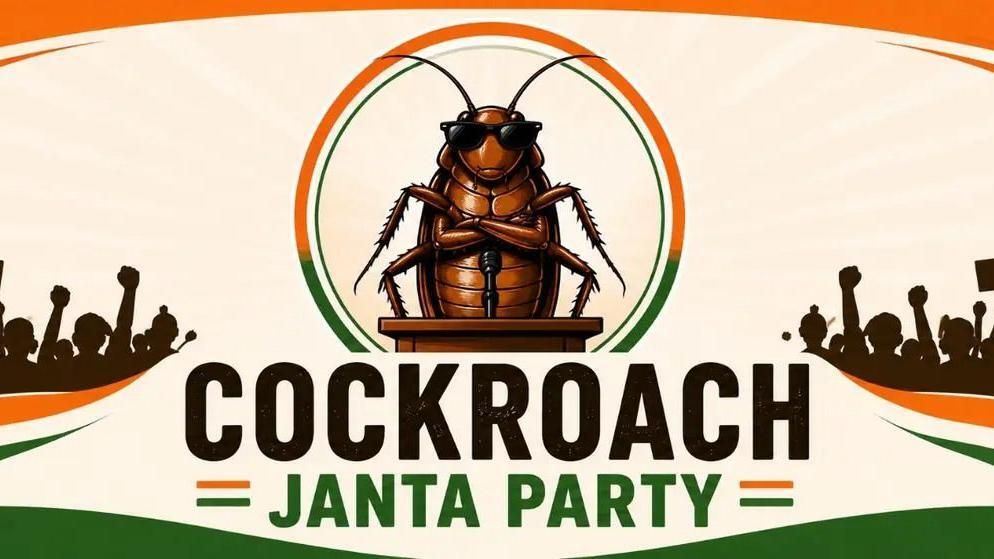
Recently, a strange but powerful movement had gone viral on Indian social media, ” Cockroach Janta Party” or CJP for short. At first glance, the name may sound laughable, but behind it lies the deep anger, frustration, and protest of millions of young people in today’s India. Within just 7 to 10 days, the movement became so popular that the government was forced to take swift action. It all began with a remark made by Chief Justice of India Surya Kant. During a hearing, he referred to a group of young people as “cockroaches.” The comment deeply offended many young people, who felt that their unemployment, frustration, and struggles had been insulted in this way. At that very moment, Abhijit Dipke, a 30-year-old living in Boston, seized the opportunity and launched a website and social media accounts under the name Cockroach Janta Party. He declared himself the founder of the movement and said it was “the voice of idle and unemployed youth.” Their posts were very different, sharp satire, funny memes, and direct criticism of the government and institutions. On issues such as the NEET paper leak, irregularities in recruitment exams, the failure of the education system, and unemployment, they spoke in a way that drew young people by the thousands. Within just a few days, their Instagram following crossed 20 million. Their manifesto contained several clear demands. These included ending post-retirement benefits for judges, introducing 50 percent reservation for women, supporting independent media, imposing a 20-year ban on political leaders switching parties, and demanding the education minister’s resignation over exam irregularities such as those in NEET. These demands struck a strong chord among the youth. But the government did not welcome this rapid rise. Suddenly, their official website was blocked, and their X (Twitter) account was also shut down. The government said it was a threat to national security and that the action was taken based on an Intelligence Bureau report. Abhijit Dipke has said that he and his family have received death threats. He has now filed a case in the Delhi High Court seeking the unblocking of the account. Political reactions have also come from both sides. The BJP attacked the movement as a “foreign conspiracy” and something “backed by the opposition,” saying it was an attempt to destabilize the country. On the other hand, Congress leader Shashi Tharoor said that in a democracy, there should be space for satirical criticism and for young people to express their anger. He called for channeling that anger in the right direction. In fact, Cockroach Janta Party is not a registered political party. It will not contest any election. It is simply a satirical expression of the long-suppressed frustration and anger of young people. But its rapid spread and the government’s equally swift crackdown have together made one thing clear: the condition of the youth and the reality of digital politics in today’s India remain highly sensitive.
কোরবানির চামড়া ব্যবস্থাপনা বিশৃঙ্খলা থেকে শৃঙ্খলায় গাউসিয়া কমিটি বাংলাদেশ
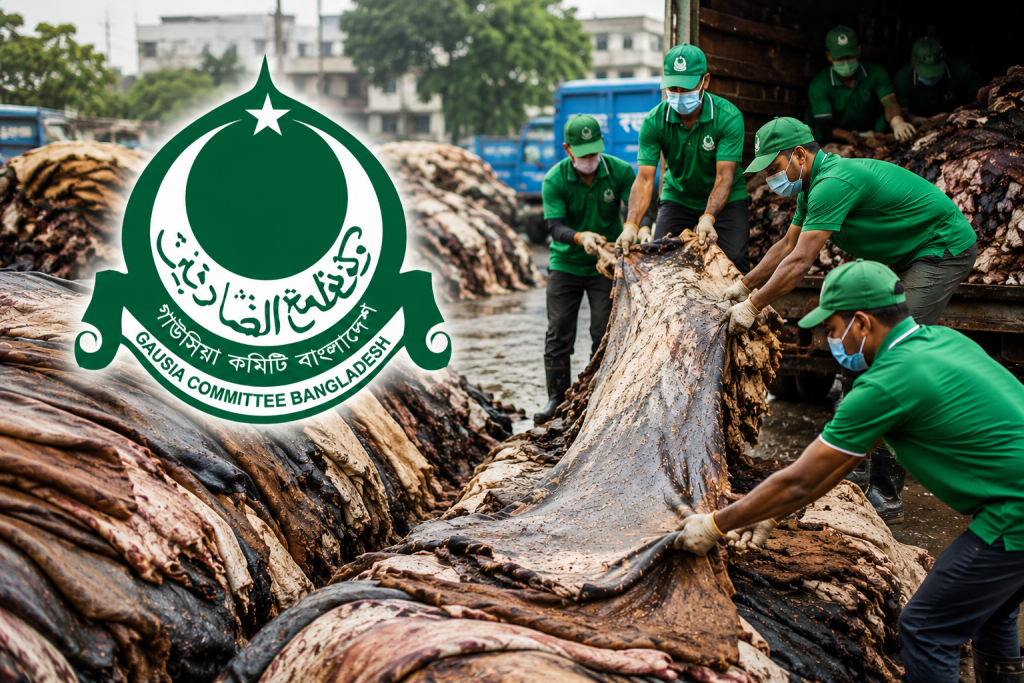
ঈদুল আজহা শেষ হলেই একসময় রাস্তায়-ডাস্টবিনে পড়ে থাকত কোরবানির চামড়া। অনেকে হতাশ হয়ে ফেলে দিতেন। কিন্তু সেই ছবিটা এখন অনেকটাই বদলে গেছে। আজ চামড়া আর নষ্ট হয় না, বরং সেটা হয়ে উঠছে এতিম, মাদ্রাসার শিক্ষার্থী আর দরিদ্র পরিবারের জন্য একটা বড় সহায়তা। আগের দিনগুলো কেমন ছিল? কয়েক বছর আগেও চামড়া সংগ্রহের অবস্থা ছিল খুবই খারাপ। পাড়ার ছেলেরা সারাদিন রোদে ঘুরে মাত্র ৫০-১০০ টাকায় চামড়া বিক্রি করত। সিন্ডিকেটের কারসাজিতে দাম পেত না বলে অনেকে রাগ করে চামড়া রাস্তায় ফেলে দিত। ফলে একদিকে দেশের সম্পদ নষ্ট হতো, অন্যদিকে এতিমখানা ও মাদ্রাসাগুলো তাদের প্রাপ্য টাকা থেকে বঞ্চিত হতো। কে বদলে দিল ছবিটা? ২০২২ সাল থেকে একটা ইতিবাচক পরিবর্তন শুরু হয়েছে। গাউসিয়া কমিটি বাংলাদেশ নামের একটি অরাজনৈতিক স্বেচ্ছাসেবী সংগঠন এই কাজটা হাতে নিয়েছে। তারা চামড়া সিন্ডিকেটের দৌরাত্ম্য কমিয়ে সুন্দরভাবে সংগ্রহ, পরিবহন ও সংরক্ষণের ব্যবস্থা করেছে। চট্টগ্রামের জামেয়া আহমদিয়া সুন্নিয়া আলিয়া কামিল মাদ্রাসার মাঠে প্রতি ঈদে তারা লক্ষাধিক চামড়া সংরক্ষণ করে। শুধু চট্টগ্রাম নয়, সারা দেশে প্রায় ২৫০টির বেশি মাদ্রাসা ও শিক্ষা প্রতিষ্ঠান এখন এই চামড়ার আয় থেকে উপকার পাচ্ছে। ৭ হাজার স্বেচ্ছাসেবীর অক্লান্ত পরিশ্রম প্রতি ঈদে গাউসিয়া কমিটির প্রায় সাত হাজার স্বেচ্ছাসেবী মাঠে নেমে পড়েন। তারা চামড়া সংগ্রহ করেন, সঠিক জায়গায় নিয়ে যান এবং ভালোভাবে সংরক্ষণ করেন। তাদের এই নিষ্ঠার কারণে চামড়া নষ্ট হওয়া অনেক কমেছে এবং দামও কিছুটা স্থিতিশীল হয়েছে। কী কী পরিবর্তন হয়েছে? সবচেয়ে চোখে পড়ার মতো পরিবর্তন হলো, চামড়া আর আগের মতো অপচয় হয় না। রাস্তায় পড়ে নষ্ট হওয়া বা ডাস্টবিনে ফেলে দেওয়ার দৃশ্য এখন অনেক কম দেখা যায়। সংগঠিত সংগ্রহের কারণে প্রায় সব চামড়াই এখন সঠিক জায়গায় পৌঁছাচ্ছে এবং দেশের সম্পদ হিসেবে রক্ষা পাচ্ছে। এর পাশাপাশি এতিম ও দরিদ্র শিক্ষার্থীদের জীবনে সত্যিকারের পরিবর্তন এসেছে। আগে যেখানে মাদ্রাসা ও এতিমখানাগুলো নামমাত্র টাকা পেত, সেখানে এখন চামড়া বিক্রির আয় অনেক বেশি। সারাদেশের ২৫০টিরও বেশি প্রতিষ্ঠান এই আয় থেকে সরাসরি লাভবান হচ্ছে, যা তাদের খাবার, শিক্ষা উপকরণ ও অন্যান্য প্রয়োজন মেটাতে বড় ভূমিকা রাখছে। চামড়া ব্যবস্থাপনায়ও একটা স্পষ্ট শৃঙ্খলা ফিরে এসেছে। সিন্ডিকেটের একচেটিয়া দখলদারিত্ব অনেকটাই কমেছে। স্বেচ্ছাসেবীরা সরাসরি মাঠ থেকে সংগ্রহ করায় মাঝখানের অসাধু মধ্যস্থতাকারীদের প্রভাব কমে গেছে। ফলে চামড়ার দাম কিছুটা স্থিতিশীল হয়েছে এবং ব্যবস্থাটা আর আগের মতো অগোছালো নেই। সবথেকে সুন্দর পরিবর্তন হয়েছে মানুষের মনে। যারা একসময় হতাশ হয়ে চামড়া ফেলে দিতেন, তারা এখন নিশ্চিন্তে চামড়া দিচ্ছেন। কারণ তারা জানেন, তাদের কোরবানির এই চামড়া সত্যিই এতিম ও দরিদ্র শিক্ষার্থীদের কাজে লাগছে। এতে ধর্মীয় দায়িত্ব পালনের পাশাপাশি একটা আত্মিক সন্তুষ্টিও তৈরি হয়েছে। এভাবেই গাউসিয়া কমিটির উদ্যোগ একটা ধর্মীয় উৎসবকে ধীরে ধীরে একটি অর্থবহ সামাজিক আন্দোলনে রূপান্তরিত করছে। কোরবানির চামড়া ব্যবস্থাপনা এখন শুধু ধর্মীয় বিষয় নয়, এটা একটা সুন্দর সামাজিক দায়িত্ব হয়ে উঠেছে। গাউসিয়া কমিটির স্বেচ্ছাসেবীরা যেভাবে নীরবে কাজ করে যাচ্ছেন, তা সত্যিই প্রশংসার দাবিদার।
FROM WASTE TO WELFARE: How Gausia Committee Changed Qurbani Hide Management in Bangladesh
Eid-ul-Azha has barely ended, and gone are the days when sacrificial animal hides would lie rotting on the streets and in dustbins. Many people, out of frustration, would simply throw them away. But that picture has changed significantly now. Hides are no longer wasted. Instead, they have become a major source of support for orphans, madrasa students, and poor families. What was the situation like before? Just a few years ago, the collection of hides was in a very poor state. Young boys from the neighborhood would roam around all day in the scorching sun and sell hides for only 50-100 Taka. Due to the manipulation of syndicates, they wouldn’t get a fair price, so many would angrily throw the hides onto the streets. As a result, the country’s resources were wasted on one hand, and orphanages and madrasas were deprived of their rightful income on the other. Who changed the picture? A positive change began in 2022. The non-political volunteer organization Gausia Committee Bangladesh took this initiative into their own hands. They have significantly reduced the dominance of the leather syndicates and have organized a proper system for the collection, transportation, and preservation of hides. Every Eid, they preserve hundreds of thousands of hides at the field of Jameya Ahmadiya Sunnia Alia Kamil Madrasa in Chattogram. Not just in Chattogram, but across the country, more than 250 madrasas and educational institutions are now benefiting from the income generated by these hides. 7,000 volunteers are working tirelessly Every Eid, around seven thousand volunteers from the Gausia Committee take to the field. They collect the hides, transport them to the right places, and preserve them properly. Because of their dedication, the wastage of hides has decreased significantly, and prices have also become somewhat stable. What changes have taken place? The most noticeable change is that hides are no longer wasted like before. The scenes of hides lying on the streets or being thrown into dustbins have become rare. Due to organized collection, almost all hides now reach the right destinations and are being preserved as national resources. Along with this, there has been a real positive impact on the lives of orphans and poor students. Madrasas and orphanages, which previously received only nominal amounts, now earn significantly more from the sale of hides. More than 250 institutions across the country are directly benefiting from this income, which plays a major role in meeting their needs for food, educational materials, and other essentials. There is now clear discipline in leather management. The monopoly of syndicates has been greatly reduced. Since volunteers collect hides directly from the field, the influence of dishonest middlemen has diminished. As a result, hide prices have become somewhat stable, and the entire system is no longer as chaotic as before. The most beautiful change has occurred in people’s minds. Those who once threw away hides in frustration now hand them over with peace of mind. They know that their sacrificial hides are truly being used for orphans and poor students. This brings them spiritual satisfaction along with fulfilling their religious duty. In this way, the initiative of the Gausia Committee is gradually transforming a religious festival into a meaningful social movement. The management of sacrificial hides is no longer just a religious matter. It has become a beautiful social responsibility. The silent and dedicated work of the Gausia Committee volunteers truly deserves praise.