The Loving Father Behind the Rebel Poet
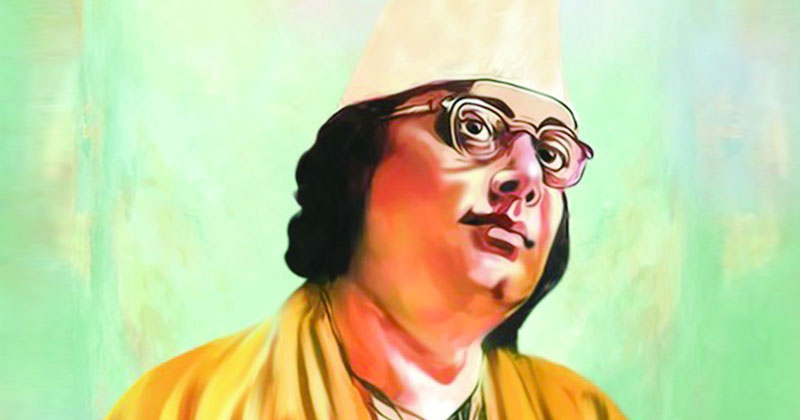
When the Kolkata police arrived to search Kazi Nazrul Islam’s house for banned books like Bisher Banshi, Bhangar Gaan, and Proloy Shikha, the poet did not resist. The officers turned the house upside down, scattering belongings everywhere, yet Nazrul remained calm and indifferent. But suddenly, the police noticed a small box in a corner. As they moved toward it, the rebel poet became frantic. He pleaded with the lead officer, “Do whatever you want, but please do not touch this box.” Ignoring his request, the police opened it. Inside were neatly arranged tiny clothes and toys belonging to Nazrul’s beloved son, Bulbul, who had passed away years earlier. The embarrassed officers saw tears shimmering in the poet’s eyes. Though celebrated in Bengali literature as the “Rebel Poet,” this deeply emotional side of Nazrul was revealed through the memories and interviews of his son, Kazi Sabyasachi. Nazrul adored his children and constantly worried about them. When little Bulbul died of smallpox at just four years old, the grief shattered him. Sabyasachi once said about his father, “I do not know how many people were blessed with such a generous-hearted father. In that sense, my brother and I were truly fortunate.” Sabyasachi’s nickname was “Sani,” inspired by Chinese revolutionary leader Sun Yat-sen, whom Nazrul admired deeply. His younger brother, Kazi Aniruddha, was lovingly called “Nini,” after Vladimir Lenin. Nazrul had four sons in total. His first son, Krishna Muhammad, died in infancy, while Bulbul passed away at the age of four. ‘তোমার সানি যুদ্ধে যাবে মুখটি করে চাঁদ পানা কোল ন্যাওটা তোমার নিনি বোমার ভয়ে আধখানা…’ He also made up another playful rhyme for the two brothers: ‘সানি নিনি দুই ভাই ব্যাং মারে ঠুইঠাই।’ Whenever Nazrul traveled away from home, he regularly wrote letters to his sons. Every letter ended with the same affectionate line: “Take my kisses. Yours, Baba.” Before falling seriously ill, Nazrul once dreamed of building a home in Baguiati, Kolkata. He even paid an advance for several bighas of land there. He would often take his family to visit the site and excitedly describe his plans: a bungalow-style house with a pond in the middle, fish in the water, and rooms arranged carefully for the family. He especially worried about little Nini going too close to the pond because the boy could not swim. But the dream never materialized. One day, while inspecting the land, Nazrul was disturbed by the foul smell of garbage carts passing nearby. Covering his nose with a handkerchief and applying perfume for himself and his sons, he firmly declared, “No, we will not build a house here. I won’t be able to write in this stench. My boys will fall sick.” Nazrul also loved taking his sons to football matches, theaters, and cinemas. Once, during an IFA Shield match between Mohammedan Sporting and K.C.B., he suddenly realized Sani and Nini were missing in the crowd. Panic-stricken, he began shouting, “Where is Sani? Where is Nini?” The entire stadium stared in shock until the boys were finally found and safely brought home in a taxi. Yet Nazrul’s affection was balanced with discipline. One afternoon, while the adults were busy playing cards, young Sabyasachi and Aniruddha decided to experiment with matches. Soon, they accidentally set a sofa on fire, and within moments the room was engulfed in flames. When Nazrul discovered what had happened, he glared at the boys with such fierce anger that both brothers trembled in fear.
দ্রোহের আড়ালে যে মানুষটি শুধু একজন বাবা
কলকাতা পুলিশ নজরুলের বাড়ি তল্লাশি করতে এল। যদি কোনো নিষিদ্ধ বই পাওয়া যায়। বিষের বাঁশি, ভাঙার গান, প্রলয়শিখা ছিল তখন বাজেয়াপ্ত। অনেক খোঁজাখুঁজি করেও পুলিশ কিছু পেল না। তল্লাশিতে নজরুল কোনো বাধা দেননি। বাড়ির জিনিসপত্র সব লন্ডভন্ড হয়ে যাচ্ছে, সেদিকে তাঁর ভ্রুক্ষেপ নেই। একটা সময় পুলিশের নজর গেল একটা বাক্সের দিকে। ওই দিকে এগিয়ে যেতেই কবি পাগলের মতো হয়ে গেলেন। তল্লাশি দলে থাকা পুলিশের প্রধান কর্মকর্তাকে বললেন, ‘আর যা-ই করুন, এ বাক্সে হাত দেবেন না।’ পুলিশ জেদ করে বাক্স খুলে দেখলেন। সেখানে ছোট একটি ছেলের জামা, খেলনা সুন্দরভাবে সাজানো। সেগুলো ছিল নজরুলের প্রয়াত ছেলে বুলবুলের স্মৃতি। লজ্জিত পুলিশ কর্মকর্তা দেখলেন, নজরুলের চোখে পানি টলমল করছে। দ্রোহের কবি হিসেবে বাংলা সাহিত্যে যাঁর পরিচয়, তাঁর মনে পুত্রস্নেহের এই কোমল দিকটি উঠে এসেছে আরেক ছেলে কাজী সব্যসাচীর স্মৃতিচারণামূলক লেখা ও সাক্ষাৎকারে। বাবা হিসেবে সন্তানদের নিয়ে খুব ভাবতেন। চার বছরের ছোট্ট বুলবুল যখন মারা যায়, তখন তিনি পুত্রশোকে পাগলের মতো হয়ে গিয়েছিলেন। বাবা প্রসঙ্গে কাজী সব্যসাচী বলেছিলেন, ‘এমন উদার হৃদয়বান বাবা কজন পেয়েছেন, জানি না। এদিক দিয়ে আমরা দুই ভাই ছিলাম সত্যিই ভাগ্যবান।’ কাজী সব্যসাচীর ডাকনাম সানি। কবি কাজী নজরুল ইসলামের প্রিয় চীনের বিপ্লবী নেতা সান-ইয়াৎ সেনের নাম থেকে এ নাম রাখা হয়। আর লেনিনের নাম অনুসরণে কাজী অনিরুদ্ধকে ‘নিনি’ নামে ডাকতেন কবি। কাজী নজরুলের চার ছেলে ছিল। প্রথম ছেলে কৃষ্ণ মুহম্মদ খুব ছোট বয়সেই মারা যায়। দ্বিতীয় ছেলে অরিন্দম বুলবুল মাত্র চার বছর বয়সে বসন্ত রোগে মারা যায়। ‘তোমার সানি যুদ্ধে যাবে/ মুখটি করে চাঁদ পানা/ কোল ন্যাওটা তোমার নিনি/ বোমার ভয়ে আধখানা…’—ছেলে কাজী সব্যসাচী ও কাজী অনিরুদ্ধকে নিয়ে এ ছড়াটি প্রায়ই আবৃত্তি করতেন বাবা কাজী নজরুল ইসলাম। দুই ছেলেকে নিয়ে আরও ছড়া বানিয়েছিলেন নজরুল, ‘সানি নিনি দুই ভাই/ ব্যাং মারে ঠুইঠাই।’কাজী সব্যসাচীর এক স্মৃতিচারণায় জানা যায়, যখন নজরুল পরিবার থেকে দূরে কোথাও যেতেন, নিয়মিত দুই ছেলেকে চিঠি লিখতেন। সব চিঠির শেষে থাকত ‘আমার চুমু নিও। ইতি বাবা।’ অসুস্থ হওয়ার বেশ কিছুদিন আগে নজরুল কলকাতার বাগুইআটিতে একটা বাড়ি করার কথা ভেবেছিলেন। সেখানে কয়েক বিঘা জমির বায়নার টাকাও আগাম দিয়েছিলেন। প্রায়ই পরিবারের সবাইকে নিয়ে তিনি সে জমি দেখতে যেতেন। বাসস্থানের পরিকল্পনা করেছিলেন এইভাবে—‘বাড়িটা হবে বাংলো প্যাটার্নের। সামনে বা মাঝখানে একটা পুকুর থাকবে। পুকুরে মাছ ছাড়া হবে। প্রয়োজনমতো জাল কিংবা ছিপ ফেলে তা ধরা হবে। দক্ষিণ দিকে থাকবে আমার আর নিনির ঘর। তবে পুকুরের কাছে নিনি যাতে না যায়, তারও একটা ব্যবস্থা থাকবে, নিনি বড় শান্ত। সাঁতার জানে না।’ তবে সেখানে জমি কেনা হয়নি নজরুলের, বাড়িও করা হয়নি। একদিন সবাইকে নিয়ে বাগুইআটিতে গেছেন জমি দেখতে। কোথায় বাগান হবে, কোথায় বৈঠকখানা—এসব কথা বলতে যাচ্ছিলেন, এমন সময় হঠাৎ কী একটা উৎকট গন্ধে হকচকিয়ে গেলেন কবি। ওই সময় রাস্তা দিয়ে ময়লা ফেলা গাড়ি যাচ্ছিল। নজরুল নাকে রুমাল চাপা দিয়ে পকেট থেকে সুগন্ধি বের করে নিজের নাকে লাগালেন। দুই ছেলের নাকে নাকে ঘষে দিয়ে বললেন, ‘না, এখানে বাড়ি করা হবে না। এই দুর্গন্ধে আমার লেখাটেখা বেরোবে না। ছেলেরা মারা পড়বে।’ দুই ছেলে এবং পরিবারের অন্য সদস্যদের নিয়ে প্রায়ই নাটক-সিনেমা দেখতে যেতেন নজরুল। বাড়ির বাইরে ছেলেদের নিয়ে গেলে সব সময় লক্ষ রাখতেন। কবি সময় পেলেই ফুটবল খেলা দেখতে যেতেন। একদিন দুই ছেলেকে নিয়ে নজরুল আইএফএ শিল্ডের মোহামেডান স্পোর্টিং বনাম কেওসিবির খেলা দেখতে গেছেন। খেলা শেষে হঠাৎ খেয়াল করলেন, সঙ্গে দুই ছেলে নেই। রীতিমতো চিৎকার শুরু করেছিলেন নজরুল, ‘সানি কোথায়, নিনি কোথায়?’ মাঠসুদ্ধ লোক হাঁ করে দেখছে। শেষে দুই ছেলে পেয়ে ট্যাক্সি করে বাড়ি এসে তিনি স্বস্তির নিশ্বাস ফেললেন। আদরের পাশাপাশি শাসনেও ছিল নজরুলের নিজস্ব রীতি। একদিন দুপুরবেলা পরিবারের বড় সদস্যদের নিয়ে জমিয়ে তাস খেলছিলেন নজরুল। এই সময় সব্যসাচী ও অনিরুদ্ধ পাশের ঘরে কী করা যায়, সেই ভাবনায় অস্থির। অনিরুদ্ধ দেশলাই জোগাড় করে আনলেন। সব্যসাচী কাঠি জ্বালিয়ে সোফায় ধরিয়ে দিলেন আগুন। হঠাৎ পাশের বাড়ি থেকে চিৎকার শোনা গেল। হন্তদন্ত হয়ে সবাই ছুটলেন পাশের ঘরে। দাউ দাউ করে আগুন জ্বলছে। দুটো সোফাই পুড়ে ছাই হয়ে গেছে। বুঝতে কারও বাকি রইল না এ কাদের কীর্তি। হুংকার ছেড়ে চোখ পাকিয়ে নজরুল এমন করে দুই ছেলের দিকে তাকালেন যে দুই ভাইয়ের হাত-পা থরথর করে কাঁপতে লাগল।
Before 1971, Fazlul Huq Already Knew Pakistan Would Fail
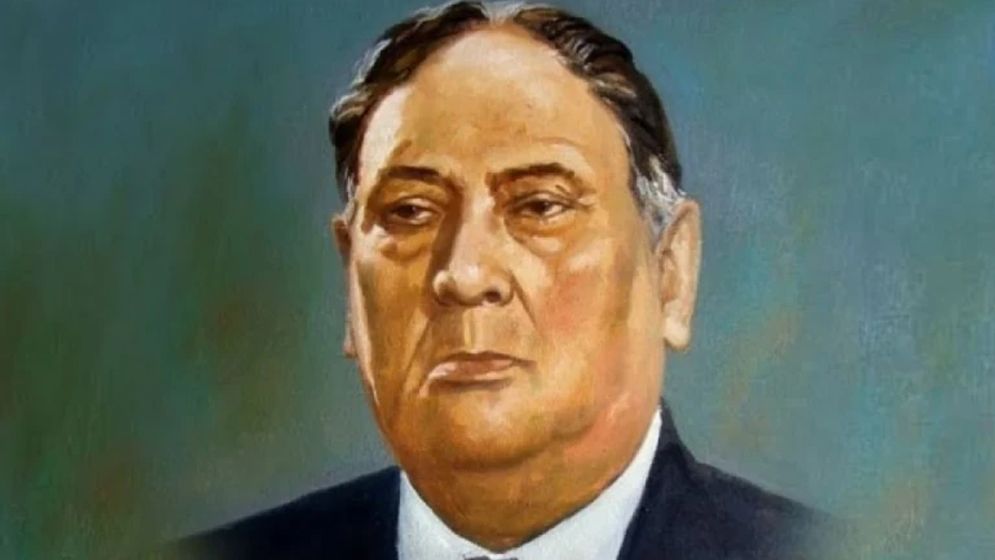
The elites of Kolkata once argued that there was no need to establish a university in Dhaka. According to them, a small agricultural college near Farmgate or Dhanmondi would be enough. Outraged by this narrow-minded and self-serving attitude, A. K. Fazlul Huq went to the British authorities and firmly argued that Dhaka deserved a full-fledged university. The British eventually softened their stance, though the First World War delayed the project. When University of Dhaka was finally established in 1921, Sher-e-Bangla Fazlul Huq was serving as the Education Minister of Bengal. In 1916, he became the president of the All-India Muslim League. The following year, in 1917, he became the General Secretary of the Indian National Congress. He remains the only person in history to have simultaneously held the positions of President of the Muslim League and General Secretary of the Congress. During 1918–19, Jawaharlal Nehru served as his personal secretary. Before the 1937 elections, Fazlul Huq declared that if elected, he would abolish the zamindari system forever. To stop him, landlords across Bengal and Kolkata spent enormous amounts of money against him. But it was of no use—the peasants voted for their own leader. At the historic Lahore Resolution session in 1940, Muhammad Ali Jinnah was delivering his speech when a sudden murmur spread through the audience. People’s attention shifted away from Jinnah because Fazlul Huq had just entered the hall. Seeing this, Jinnah reportedly remarked: “When the tiger arrives, the lamb must give way.” It was Fazlul Huq who moved the historic Lahore Resolution. In his proposal, he envisioned separate Muslim-majority states: one in the northwestern region and another comprising Bengal and Assam in the east. However, only a few days later, Jinnah altered the wording of the resolution. The original phrase “Muslim majority states” was changed into “Muslim majority state,” transforming the vision of two sovereign Muslim states into a single Pakistan. Fazlul Huq bitterly remarked: “Jinnah circumcised my Lahore Resolution.” He believed that a country divided into eastern and western wings with India in between could never survive in the long run. History proved his fears correct in 1971 during the Bangladesh Liberation War. Sheikh Mujibur Rahman later wrote in his memoirs that ordinary people loved Fazlul Huq so deeply that criticizing him often provoked public anger. Bangabandhu’s own father once advised him: “Whatever you do, never speak against Sher-e-Bangla. He did not become Sher-e-Bangla without reason.” Professionally, Fazlul Huq was one of the most respected lawyers of the Calcutta High Court. Before studying law, he completed triple honours in Physics, Chemistry, and Mathematics, and later earned a master’s degree in Mathematics. Once, during a legislative budget session, an MP personally attacked him and even began singing a mocking song aimed at humiliating him. Fazlul Huq calmly responded: “Mr. Speaker, I can jolly well face the music, but I cannot face a monkey.” When controversy erupted, he cleverly clarified: “I never mentioned any honourable member of this House. But if any honourable member thinks that the cap fits him, I withdraw my remark.” Throughout his life, he held almost every major political office possible. He served as the first Prime Minister of Bengal, the Chief Minister of East Bengal, the Home Minister of Pakistan, the Governor of East Pakistan, and the Chancellor of the University of Dhaka. Yet above all, Fazlul Huq became beloved because he stood for the peasants and working-class people of Bengal. He once said: “The day the newspapers of Kolkata begin praising me, know that the peasants of Bengal are in danger.” In 1948, when Jinnah visited Dhaka and declared Urdu to be the sole state language of Pakistan, students fiercely protested. Jinnah suspected that Fazlul Huq was secretly encouraging the students. Eventually, the two leaders met privately. According to Fazlul Huq’s assistant, the conversation unfolded sharply. Jinnah said: “You never truly wanted Pakistan.” Fazlul Huq replied: “I was the one who moved the proposal. Later, it was mutilated.” When Jinnah warned him by saying, “You are talking to the Governor-General of Pakistan,” Fazlul Huq calmly answered: “I know the powers of a constitutional Governor-General.” And when Jinnah attempted to intimidate him further, Fazlul Huq responded boldly: “This is Bangladesh, and you are talking to the Royal Bengal Tiger.” A. K. Fazlul Huq was not merely a politician. He was the voice of Bengal’s peasants and workers, a visionary leader who foresaw the future long before others did, and one of the greatest figures in the political history of Bengal.
শেরে বাংলা ফজলুল হক বুঝেছিলেন পাকিস্তান টিকবে না
কলকাতার বাবুরা বলেছেন, “ঢাকায় বিশ্ববিদ্যালয় করার কোন দরকার নেই। ফার্মগেট আছে,ধানমণ্ডি আছে পাশে একটা কৃষি কলেজ করে দাও। “ এই ধরনের কায়েমী স্বার্থবাদী আচরণে ক্ষুব্ধ হয়ে ব্রিটিশ লর্ডের কাছে গিয়ে শেরে বাংলা ফজলুল হক বোঝালেন ঢাকায় বিশ্ববিদ্যালয় প্রতিষ্ঠা করতেই হবে। এবার ব্রিটিশরা কিছুটা নমনীয় হল — কিন্তু বিশ্বযুদ্ধের কারণে বিশ্ববিদ্যালয় প্রতিষ্ঠিত হল একটু দেরীতে । ঢাকা বিশ্ববিদ্যালয় যখন প্রতিষ্ঠিত হয় তখন বাংলার শিক্ষামন্ত্রী ছিলেন শেরে বাংলা ফজলুল হক । শেরে বাংলা এ কে ফজলুল হক ১৯১৬ সালে মুসলিম লীগ এর সভাপতি নির্বাচিত হন । পরের বছর ১৯১৭ সালে তিনি ভারতীয় জাতীয় কংগ্রেস এর সাধারণ সম্পাদক হন । তিনিই ইতিহাসের একমাত্র ব্যক্তি যিনি একই সময়ে মুসলিম লীগ এর প্রেসিডেন্ট এবং কংগ্রেস এর জেনারেল সেক্রেটারি ছিলেন । ১৯১৮ -১৯ সালে জওহরলাল নেহেরু ছিলেন ফজলুল হকের ব্যক্তিগত সচিব । ১৯৩৭ এর নির্বাচনে শেরে বাংলা আবুল কাশেম ফজলুল হক ঘোষণা দিয়েছেন নির্বাচনে জিতলে তিনি জমিদারি প্রথা চিরতরে উচ্ছেদ করবেন। তিনি যাতে নির্বাচিত হতে না পারেন তার জন্য সারা বাংলাদেশ আর কলকাতার জমিদাররা একত্র হয়ে লক্ষ লক্ষ টাকা খরচ করেছেন। লাভ হয়নি — কৃষকরা তাদের নেতাকে ভোট দিয়েছেন। মুসলিম লীগ এর লাহোর অধিবেশনে মোহাম্মদ আলী জিন্নাহ বক্তব্য দিচ্ছেন । হঠাৎ করে একটা গুঞ্জন শুরু হলো, দেখা গেল জিন্নাহর বক্তব্যের দিকে কারও মনযোগ নাই । জিন্নাহ ভাবলেন, ঘটনা কী ? এবার দেখলেন, এক কোণার দরজা দিয়ে ফজলুল হক সভামঞ্চে প্রবেশ করছেন, সবার আকর্ষণ এখন তার দিকে । জিন্নাহ তখন বললেন — When the tiger arrives, the lamb must give away. এই সম্মেলনেই তিনি উত্থাপন করেছিলেন ঐতিহাসিক লাহোর প্রস্তাব । ১৯৪০ সালের ২২-২৪ শে মার্চ লাহোরের ইকবাল পার্কে মুসলিম লীগের কনফারেন্স অনুষ্ঠিত হয়। এই কনফারেন্সে বাংলার বাঘ আবুল কাশেম ফজলুল হক ঐতিহাসিক লাহোর প্রস্তাব উত্থাপন করেন। তিনি তার প্রস্তাবে বলেন, হিন্দু সাম্প্রদায়িকতার বাস্তবতায় হিন্দু মুসলিম একসাথে বসবাস অসম্ভব। সমাধান হচ্ছে, মুসলিম সংখ্যাগরিষ্ঠ উত্তর পশ্চিমাঞ্চলে একটি স্বাধীন মুসলিম রাষ্ট্র এবং পূর্বাঞ্চলে বাংলা ও আসাম নিয়ে আরেকটি স্বাধীন মুসলিম রাষ্ট্র প্রতিষ্ঠিত হবে। পাঞ্জাবের মওলানা জাফর আলী খান, সীমান্ত প্রদেশের সর্দার আওরঙ্গজেব, সিন্ধের স্যার আব্দুল্লাহ হারুন, বেলুচিস্তানের কাজী ঈসা ফজলুল হকের প্রস্তাব সমর্থন করেন। কনফারেন্সে এই প্রস্তাবটি সর্বসম্মতিক্রমে পাশ হয়। লাহোর প্রস্তাব উত্থাপনের সময়ে হিন্দুপ্রধান প্রদেশগুলোতে মুসলিম নির্যাতনের মাত্রা বাড়তে থাকার কারণে ফজলুল হক খুবই উদ্বিগ্ন এবং কিছুটা উত্তেজিত ছিলেন। তিনি তার বক্তব্যে একবার বলেন, ‘ আমি আগে মুসলিম, পরে বাঙালী (muslim first, bengali afterwards)’। বক্তৃতার এক পর্যায়ে এসে বলেন, ‘কংগ্রেস শাসিত রাজ্যগুলোতে যদি আর কোনো মুসলিম নির্যাতিত হয় তাহলে আমি বাংলার হিন্দুদের উপর তার প্রতিশোধ নেব।’ যে ফজলুল হক তিন বছর আগে সোহরাওয়ার্দী, নাজিমউদ্দিনকে রেখে শ্যামাপ্রসাদের সাথে কোয়ালিশন সরকার গঠন করেছেন সেই ফজলুল হকের মুখে এমন বক্তব্য তখনকার ভারতে ব্যাপক আলোড়ন সৃাষ্ট করেছিল। বর্তমানে যে পাকিস্তান রাষ্ট্র তার ভিত্তি হচ্ছে লাহোর প্রস্তাব। তাই ২৩ শে মার্চ কে পাকিস্তানে প্রজাতন্ত্র দিবস হিসেবে পালন করা হয়। কিন্তু লাহোর প্রস্তাব পাশ হওয়ার কয়েকদিন পরে মোহাম্মদ আলী জিন্নাহ চালাকির আশ্রয় নেন। তিনি বলেন, প্রস্তাবটি টাইপ করার সময়ে ভুল করে muslim majority states লেখা হয়েছে; আসলে হবে state । জিন্নাহর ধারণা ছিল, দেন-দরবার করে দুই পাশে দুইটা পাকিস্তান প্রতিষ্ঠা করা যাবে না। তাই স্টেটস এর জায়গায় স্টেট লিখে একটা মুসলিম মেজরিটি রাষ্ট্র করতে হবে। জিন্নাহর এই ধূর্ততার কারণে ফজলুল হক তার সাথে পাকিস্তান আন্দোলনে সম্পৃক্ত হননি। তরুণ শেখ মুজিব যখন জিন্নাহর নেতৃত্বে পাকিস্তান প্রতিষ্ঠার জন্য ঝাঁপিয়ে পড়েছেন তখন অভিজ্ঞ ফজলুল হক পাকিস্তানের বিরোধিতা করেছেন। ‘তিঁনি অনুমান করতে পেরেছিলেন পাকিস্তান প্রতিষ্ঠিত হলে কী কী দুর্দশা হবে বাংলার মানুষের। তাই তিঁনি পাকিস্তানের বিরোধিতা করেছেন। অসমাপ্ত আত্মজীবনী তে বঙ্গবন্ধু লিখেছেন……. “বাংলার মাটিও তাকে ভালোবেসে ফেলেছিল। যখনই হক সাহেবের বিরুদ্ধে কিছু বলতে গেছি, তখনই বাধা পেয়েছি। একদিন আমার মনে আছে একটা সভা করছিলাম আমার নিজের ইউনিয়নে, হক সাহেব কেন লীগ ত্যাগ করলেন, কেন পাকিস্তান চাননা এখন? কেন তিনি শ্যামাপ্রসাদ মুখার্জির সাথে মিলে মন্ত্রীসভা গঠন করেছেন? এই সমস্ত আলোচনা করছিলাম, হঠাৎ একজন বৃদ্ধ লোক যিনি আমার দাদার খুব ভক্ত, আমাদের বাড়িতে সকল সময়েই আসতেন, আমাদের বংশের সকলকে খুব শ্রদ্ধা করতেন- দাঁড়িয়ে বললেন,”যাহা কিছু বলার বলেন, হক সাহেবের বিরুদ্ধে কিছুই বলবেন না। তিনি যদি পাকিস্তান না চান, আমরাও চাই না। জিন্নাহ কে? তার নামও তো শুনি নাই। আমাদের গরিবের বন্ধু হক সাহেব।” এ কথার পর আমি অন্যভাবে বক্তৃতা দিতে শুরু করলাম। সোজাসুজিভাবে আর হক সাহেবকে দোষ দিতে চেষ্টা করলাম না। কেন পাকিস্তান আমাদের প্রতিষ্ঠা করতেই হবে তাই বুঝালাম। শুধু এইটুকু না, যখনই হক সাহেবের বিরুদ্ধে কালো পতাকা দেখাতে গিয়েছি, তখনই জনসাধারণ আমাদের মারপিট করেছে। অনেক সময় ছাত্রদের নিয়ে পালিয়ে আসতে বাধ্য হয়েছি, মার খেয়ে।” বঙ্গবন্ধু ‘ র বাবা বলেছেন , ” বাবা তুমি যাই করো শেরে বাংলার বিরুদ্ধে কিছু বলো না। শেরে বাংলা এমনি এমনি শেরে বাংলা হয়নি। “ ফজলুল হক জানতেন মাঝখানে ভারতকে রেখে পশ্চিম আর পূর্বে জোড়া দিয়ে এক পাকিস্তান করলে তা কখনো টিকবে না। ‘ জিন্নাহ আমার লাহোর প্রস্তাবের খৎনা করে ফেলেছে -বলে ফজলুল হক পাকিস্তান প্রতিষ্ঠার আন্দোলনে সক্রিয় থাকেননি। ১৯৪৬ এ এসে জিন্নাহ সোহরাওয়ার্দীর দুই বাংলা একত্র করে স্বাধীন যুক্তবাংলার দাবী মেনে নিয়েছিলেন। কিন্তু কংগ্রেসের বিরোধিতার কারণে শেষ পর্যন্ত বাংলাও ভাগ করতে হল। ফজলুল হক বলেছিলেন, একটি পাকিস্তান কখনও টিকবে না। বাংলা এবং আসামকে নিয়ে পৃথক স্বাধীন রাষ্ট্র করতে হবে। ১৯৭১ সালে এসে দেখা গেল, ফজলুল হকের আশঙ্কা এবং ভবিষ্যতবাণী সঠিক। ১৯৭১ এর মত এমন কিছু যে ঘটবে শেরে বাংলা ফজলুল হক তা আঁচ করতে পেরেছিলেন ১৯৪০ সালেই। তাই তিনি ১৯৪০ সালেই বাংলা আর আসাম নিয়ে পৃথক রাষ্ট্র করতে চেয়েছিলেন। অর্থাৎ স্বাধীন বাংলাদেশের প্রথম স্বপ্নদ্রষ্টা হলেন শেরে বাংলা এ কে ফজলুল হক। ১৯৭১ এর যুদ্ধ হল ফজলুল হকের লাহোর প্রস্তাবের বাস্তবায়ন। লাহোর প্রস্তাব ফজলুল হক যেভাবে উত্থাপন করে ছিলেন সেভাবে মানলে একাত্তরে এই দেশে রক্তগঙ্গা বইত না। পেশাজীবনে ‘কলকাতা হাইকোর্টের নামকরা আইনজীবী ছিলেন। একদিন তাঁর জুনিয়র হাতে একগাদা পত্রিকা নিয়ে এসে বললেন, ” স্যার , দেখুন , কলকাতার পত্রিকাগুলো পাতার পর পাতা লিখে আপনার দুর্নাম ছড়িয়ে যাচ্ছে — আপনি কিছু বলছেন না । ” তিঁনি বললেন, ” ওরা আমার বিরুদ্ধে লিখছে তার মানে হল আমি আসলেই পুর্ব বাংলার মুসলমান কৃষকদের জন্য কিছু করছি। যেদিন ওরা আমার প্রশংসা করবে সেদিন মনে করবে বাংলার কৃষক বিপদে আছে। “ মুহাম্মদ ওয়াজেদ আলী বরিশাল বারের নামকরা উকিল । একবার ওয়াজেদ আলী র প্রতিপক্ষ মামলার ইস্যু জটিল হওয়ার কারণে কলকাতা থেকে তরুণ উকিল ফজলুল হককে নিয়ে আসে ওয়াজেদ আলীকে মোকাবেলা করার জন্য । ফজলুল হক ওই সময়ে কেবলমাত্র ফজলুল হক , শেরে বাংলা তখনও হননি । তিনি মামলা লড়তে এসেছেন , কিন্তু বিপক্ষের উকিল কে সেই খবর জানতেন না ।
Mashrafe Bin Mortaza and the Art of Never Giving Up
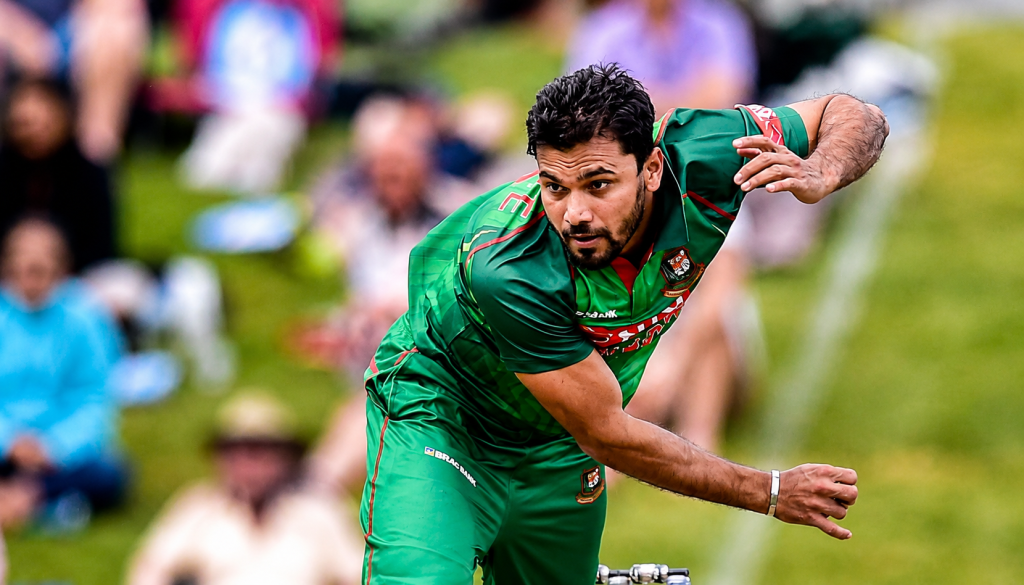
Some people in the history of Bangladesh cricket cannot be judged by statistics alone. They become emotions, symbols of an era. Mashrafe Bin Mortaza is one such name. He was not just a fast bowler; he was a warrior who kept fighting with a broken body, a captain who rebuilt the shattered dreams of a nation’s cricket. Those who have read The Old Man and the Sea know how the old fisherman Santiago fought alone against the sea. His body broke, but his spirit did not. In Bangladesh cricket, that Santiago was Mashrafe. His knees underwent surgery countless times, and doctors advised him to rest, yet he kept returning. Because some people do not play for themselves, they play for a flag. Ernest Hemingway once wrote: “Man can be destroyed, but not defeated.” It feels as though this line was written for Mashrafe’s life itself. Born in the small southwestern district of Narail, the boy loved football, badminton, and swimming in the Chitra River more than books during his childhood. Cricket came into his life later. At first, he was more interested in batting, but time transformed him into one of the most emotional and inspiring pacers in Bangladesh’s history. People began calling him—“The Narail Express.” In his hometown, he is not merely a cricketer; he is the “Prince of Hearts.” To thousands of young people, he proved that even a boy from a small town outside Dhaka could conquer the world. There was a time when Bangladesh hardly had a genuine pace bowler. In a cricket culture dependent on spin, Mashrafe arrived like a storm. Even at the Under-19 level, his fiery bowling caught the attention of legendary West Indian pacer Andy Roberts. Roberts understood: “This boy does not just have a ball in his hand; he carries rebellion.” After playing only one match for the Bangladesh A team, Mashrafe earned a call-up to the national side. On 8 November 2001, in his Test debut against Zimbabwe, he took four wickets and announced that a new era was about to begin in Bangladesh cricket. What made it even more astonishing was that it was also his very first first-class match. Such a rare event is hardly seen in cricket history. In 2006, he was among the highest wicket-takers in ODI cricket. With 49 wickets, he not only won matches but also gifted Bangladesh a new sense of belief. That same year, during Bangladesh’s historic victory over Australia in Cardiff, he dismissed Adam Gilchrist for a duck, leaving the cricket world stunned. Just as William Wallace in Braveheart sacrificed his body for the dream of freedom, Mashrafe sacrificed his body for Bangladesh cricket. While others tried to protect their careers, he chose to protect the honor of his nation’s flag. His four wickets against India in the unforgettable victory of the 2007 World Cup remain etched in history. That day, millions of people truly began to believe that Bangladesh, too, could stand tall on the world stage. During his 16-year career, injuries forced him away from the field 11 times. A knee injury against England kept him out of cricket for two years. Yet he returned. He got injured again. And he returned. Every comeback for him was never just about cricket; it was a battle against his own limitations. The 2011 World Cup at home was cruelly taken away from him by injury. The World Cup, where the entire nation wanted to see him play, had to be watched by him as a spectator. What greater pain could there be for a warrior? Still, he did not stop. Under his leadership, Bangladesh reached the quarter-finals of the 2015 World Cup. By defeating a powerhouse like England, they announced to the world: “Bangladesh is no longer a small team.” When Bangladesh grew exhausted from losing, Mashrafe stood alone at the front. In 2020, he stepped down as ODI captain after a victory against Zimbabwe. In 88 matches as captain, he secured 50 wins—marking the beginning of a new era in Bangladesh cricket. But a person’s life is never confined only to the field. The hero of cricket eventually stepped onto the political stage as well. In 2018, Mashrafe Bin Mortaza was elected as a Member of Parliament from the Narail-2 constituency while still serving as the national team captain. Such an event is rare in the history of world sports. He once said: “I wanted to work for people on a larger scale. But politics is not as simple as cricket. In cricket, the opposition is eleven people; in politics, sometimes the opposition becomes the entire society.” There was excitement surrounding his electoral victory, but there were also questions. His massive winning margin in the 2018 election drew criticism. Some said, “The legend of the field has become part of political reality.” Others believed it was simply the love of the people of Narail that brought him that victory. During the 2024 quota reform movement, his silence created even greater controversy. Young people expected him to take a stand, because to them Mashrafe was not just a cricketer—he was a symbol of courage. Later, he himself admitted that he had failed to meet people’s expectations. This confession made him even more human. Because truly great people know how to acknowledge their own mistakes. After the fall of the government of Sheikh Hasina, his house in Narail was attacked and set on fire. Yet he did not speak the language of revenge. Instead, he said: “I will not seek justice against the people of Narail.” Perhaps within these words lies Mashrafe’s greatest identity. Kazi Nazrul Islam once wrote: “I am the eternal rebel hero.” Mashrafe, too, seems like such a silent rebel. A rebellion against his own body, against failure, and sometimes against his own shortcomings. At one point, he said: “When I die, do not bring my body back to Narail.” Perhaps hidden within this sentence is the pain of a wounded man, a silent sorrow toward the city